
Cast
Shadows
A duo exhibition by
David Vega & Andy Montiel Phillips
Opening Reception:
Saturday, September 12, 5-8 PM
David Vega & Andy Montiel Phillips ▲ Cast Shadows ▲ Opens Saturday 9/12, 5-8 PM ▲ Karaoke Saturday 10/10, 7-10 PM ▲ Closing Reception & Community Feed ▲ Saturday 11/14, 4-7 PM ▲
David Vega & Andy Montiel Phillips ▲ Cast Shadows ▲ Opens Saturday 9/12, 5-8 PM ▲ Karaoke Saturday 10/10, 7-10 PM ▲ Closing Reception & Community Feed ▲ Saturday 11/14, 4-7 PM ▲
Current Exhibition
9.12.26 ▲
Cast Shadows ▲
Duo Exhibition ▲
Opening:
Saturday, September 12, 5-8 PM
Karaoke:
Saturday, October 10, 7-10 PM
Community Feed:
Saturday, November 14, 4-7 PM
-
David Vega
Andy Montiel Phillips
-
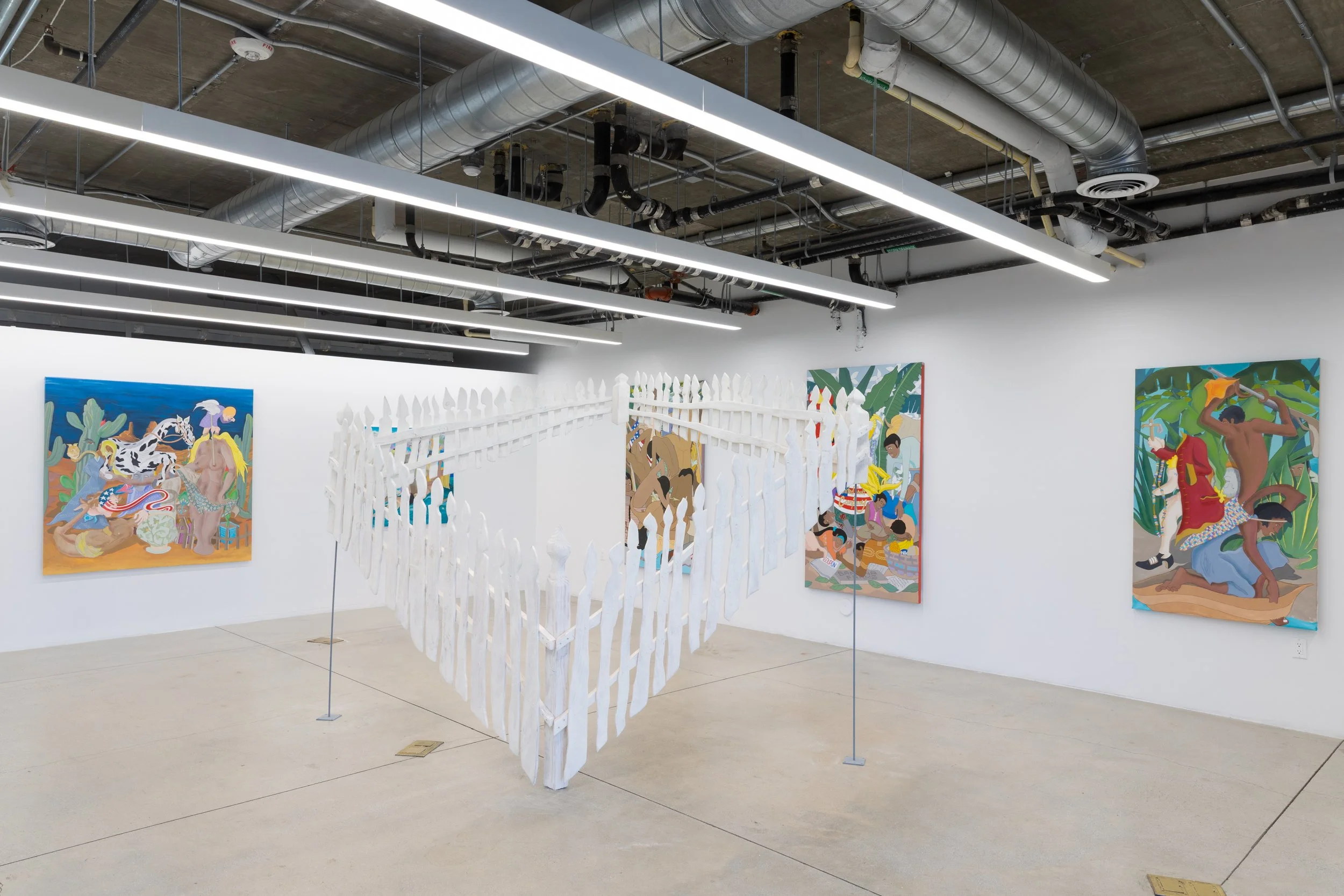
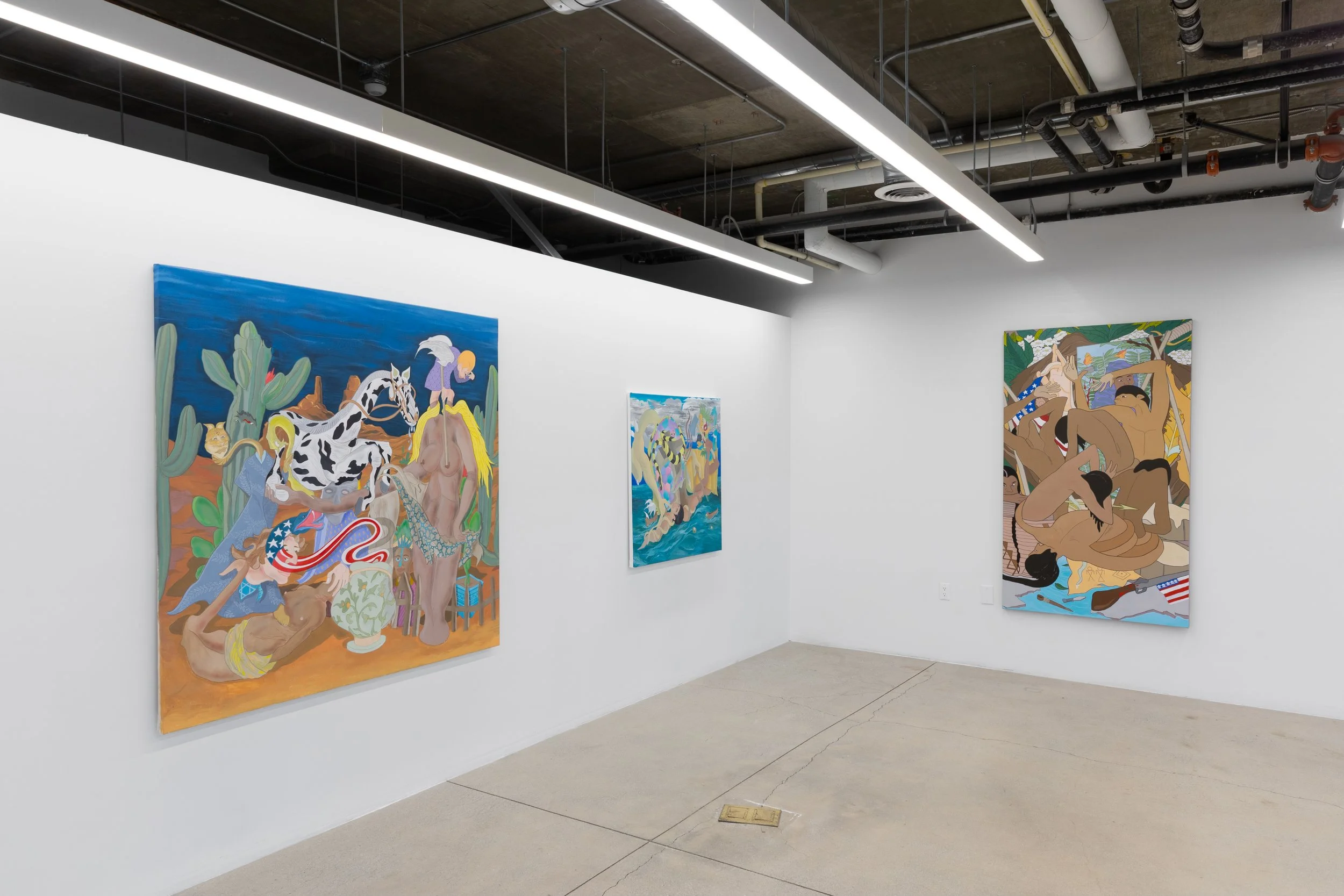
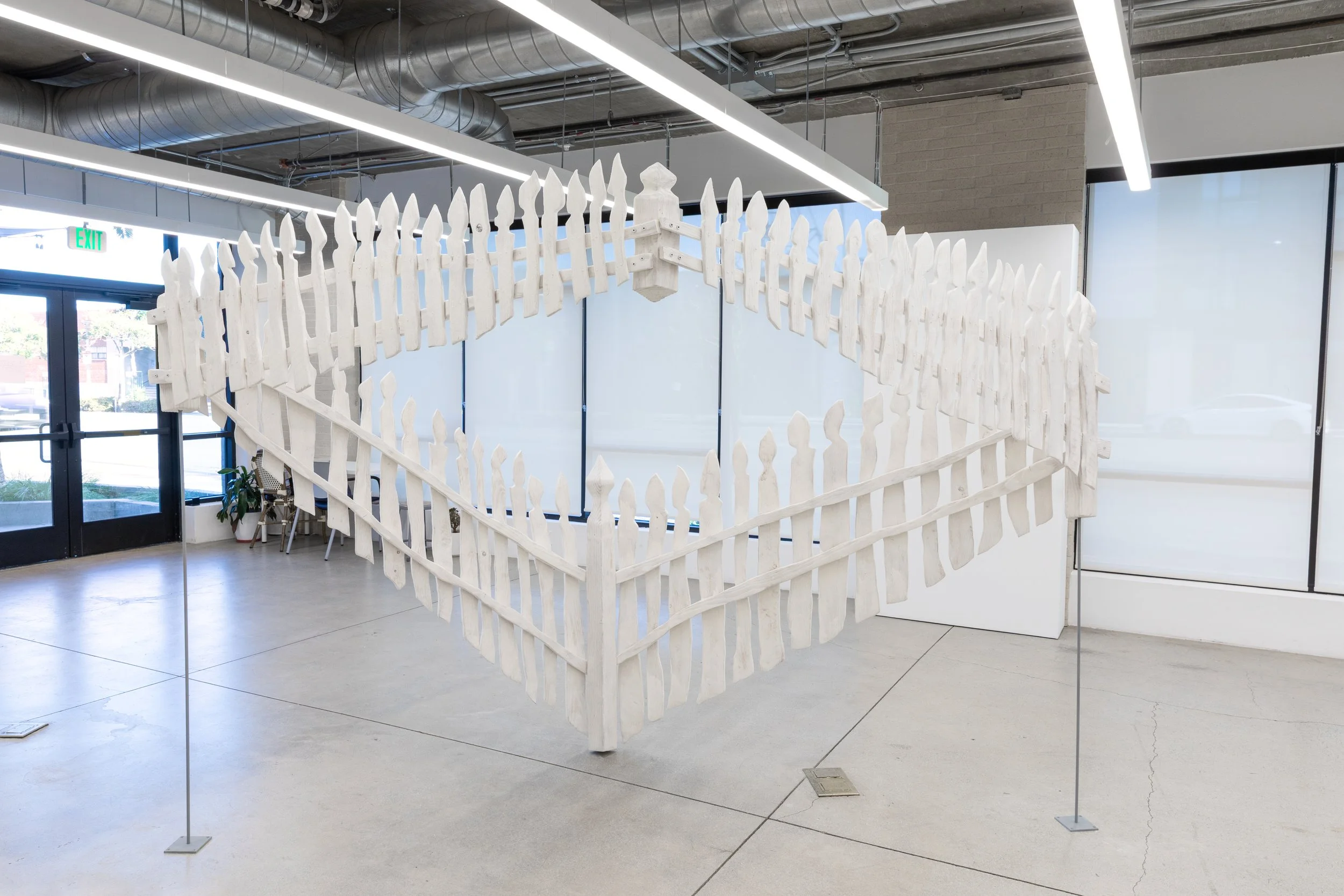
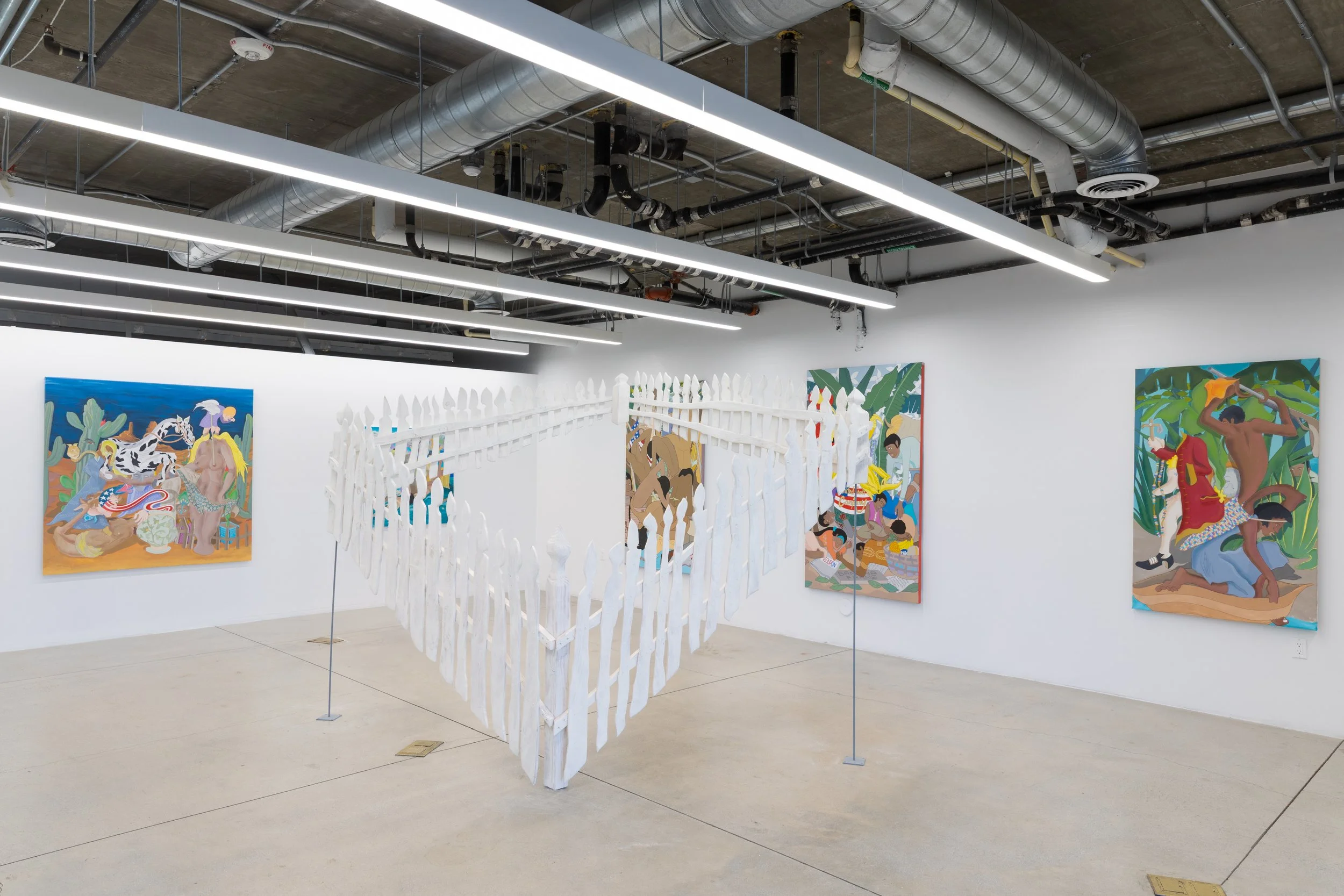
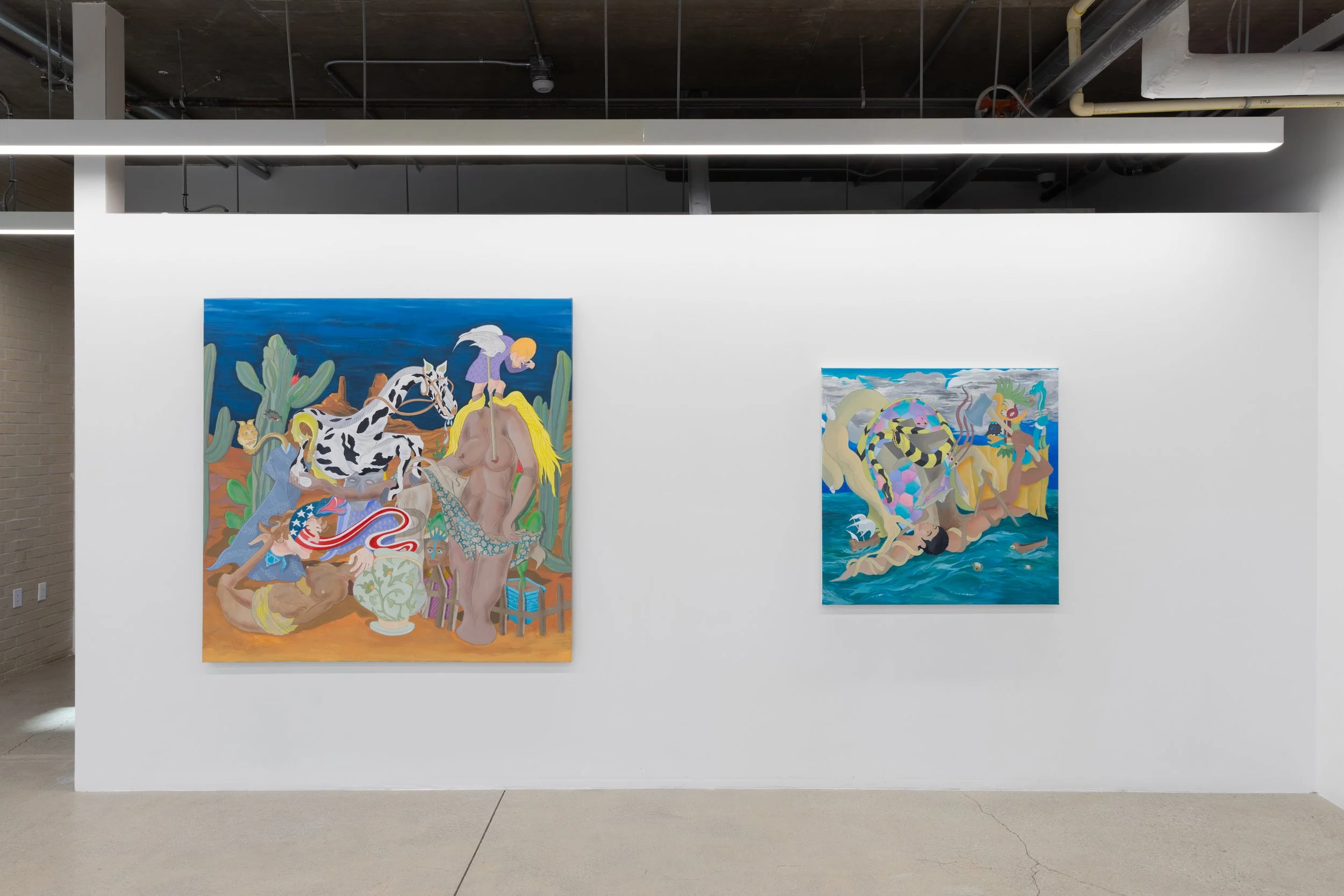
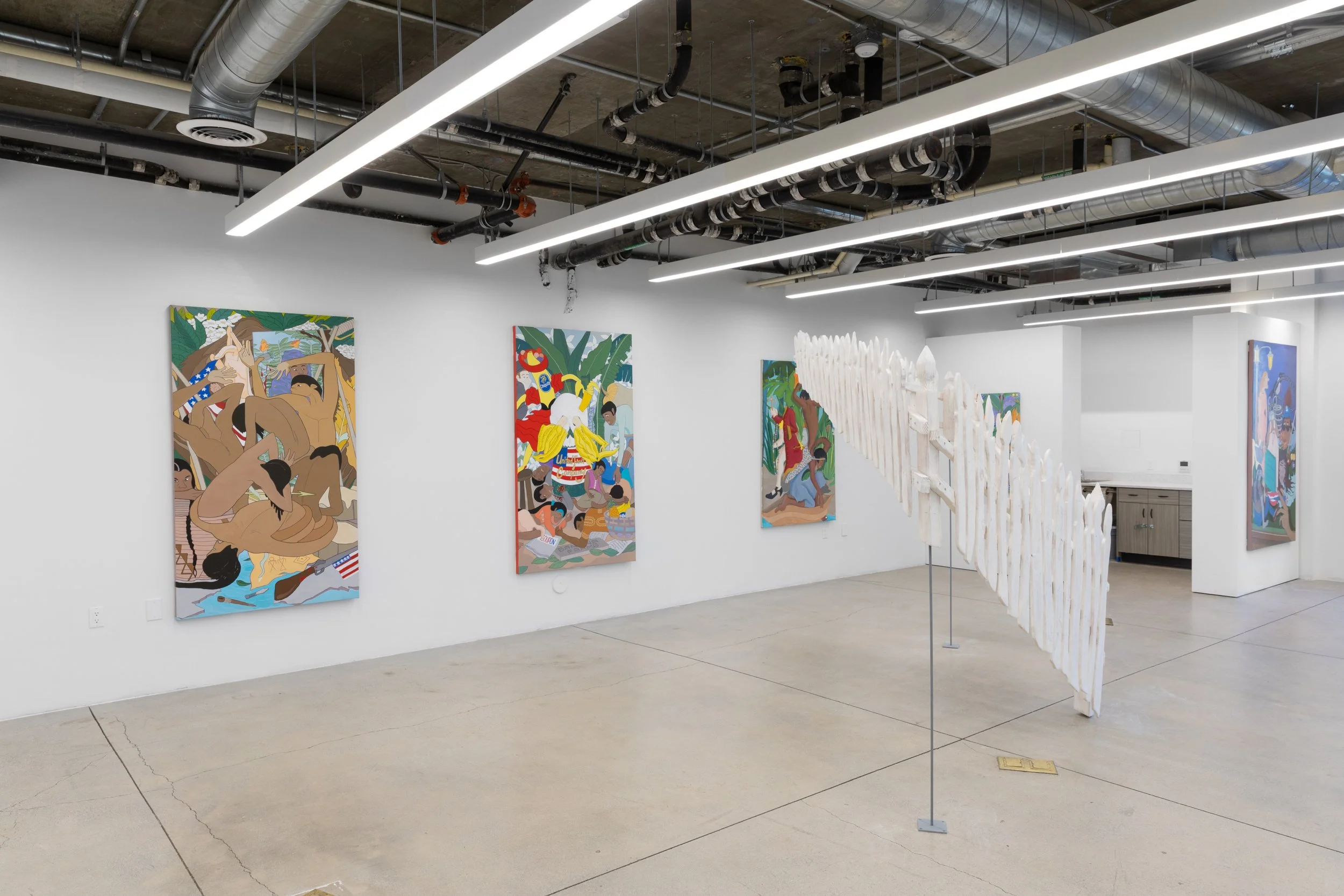
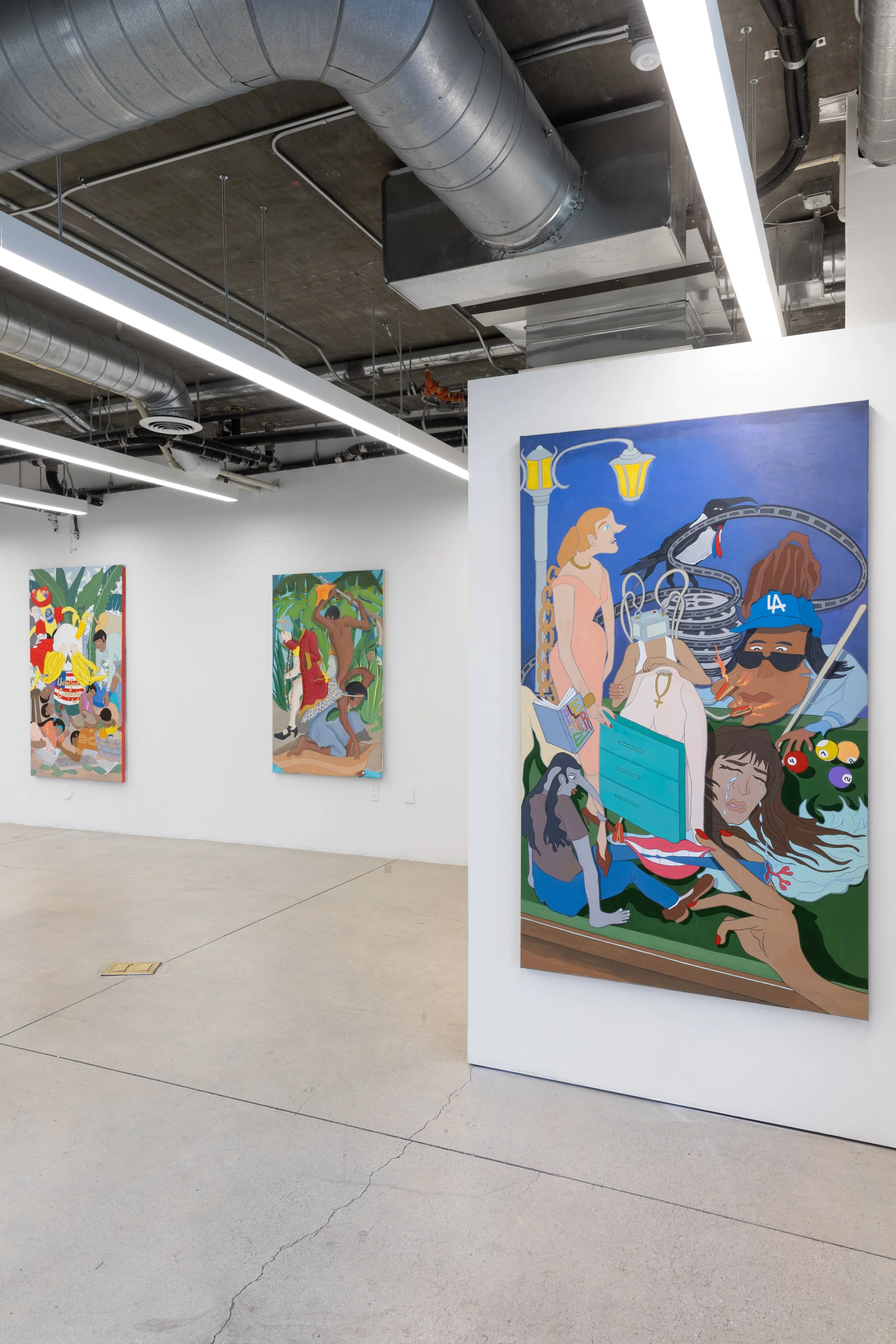
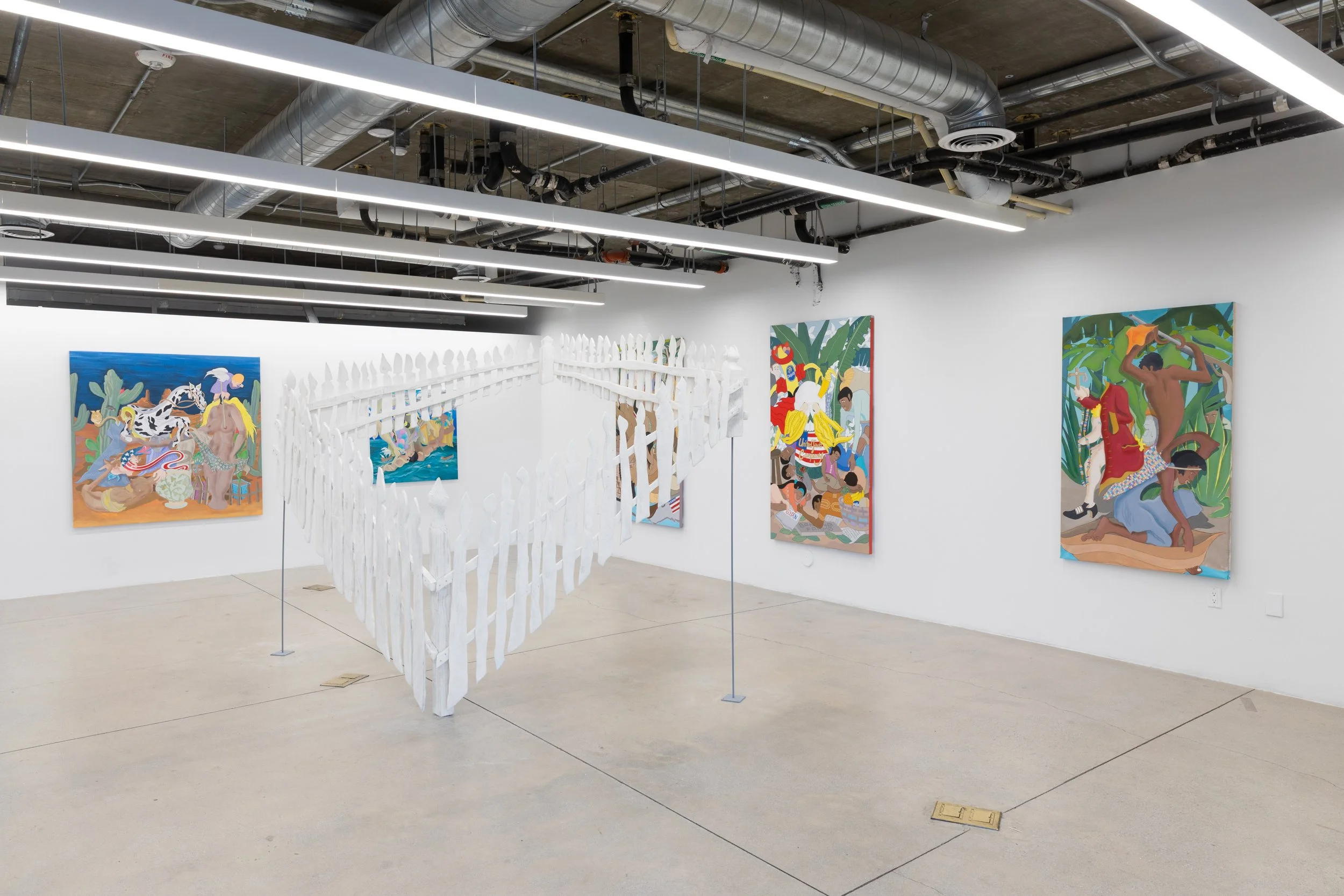
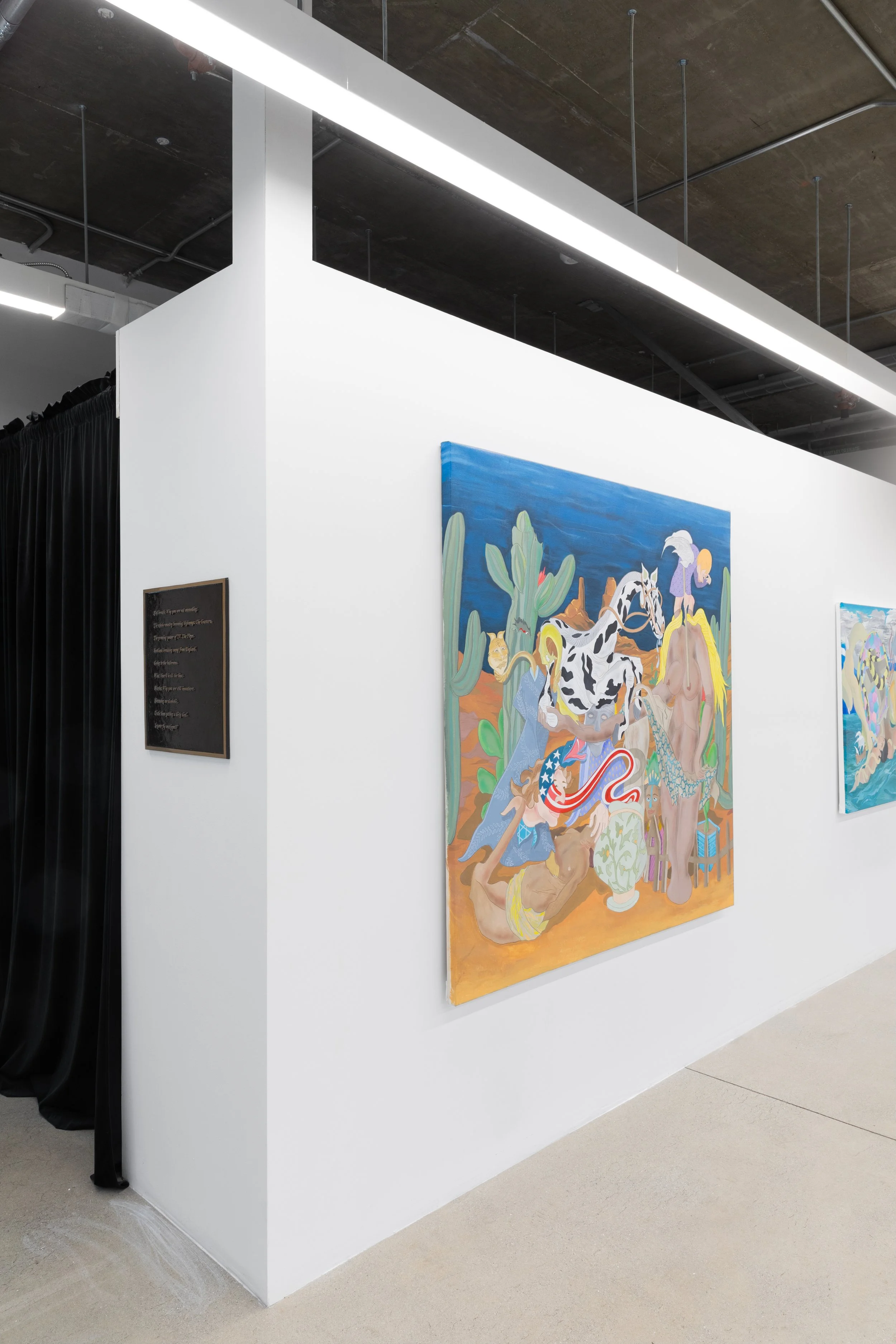
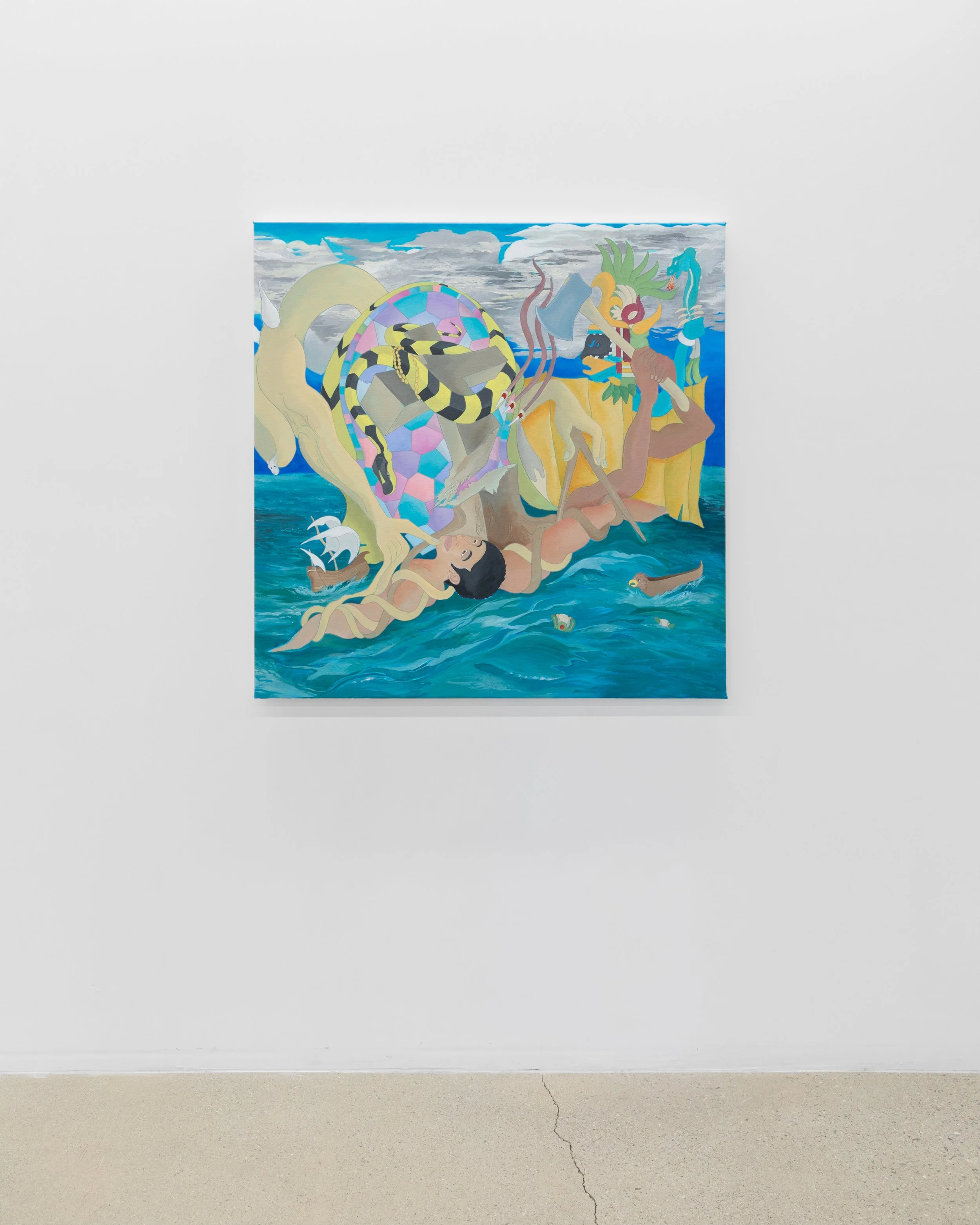
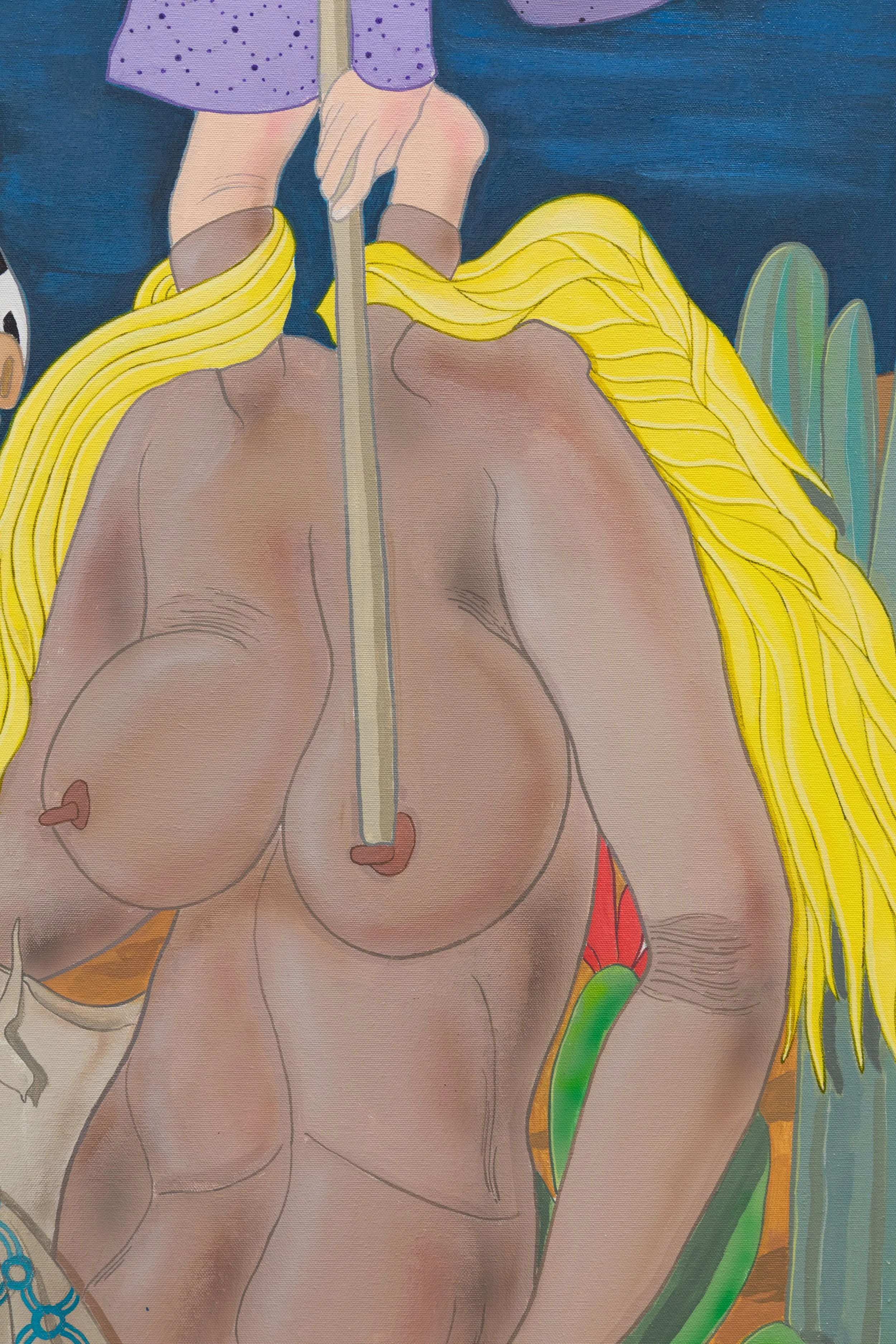
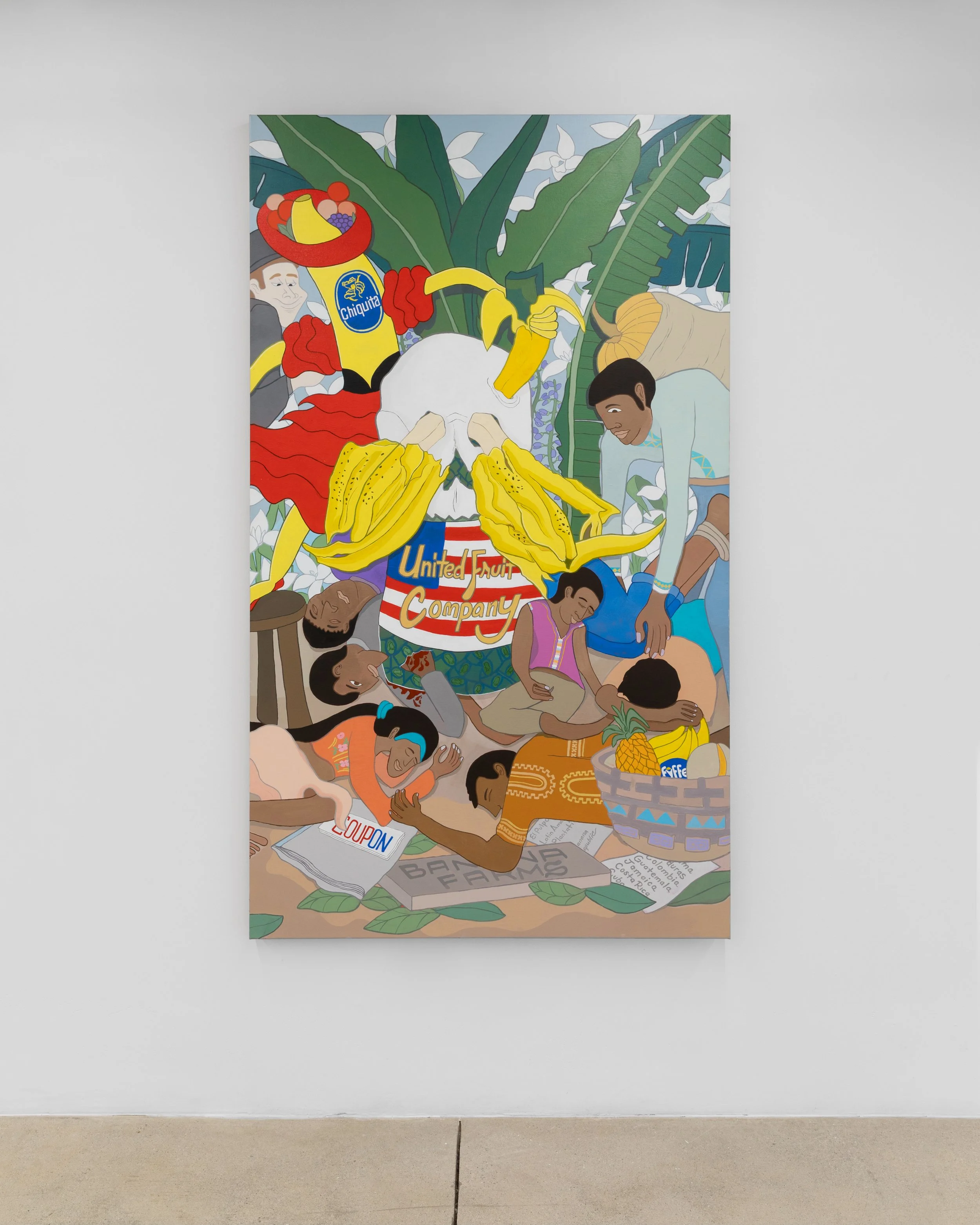
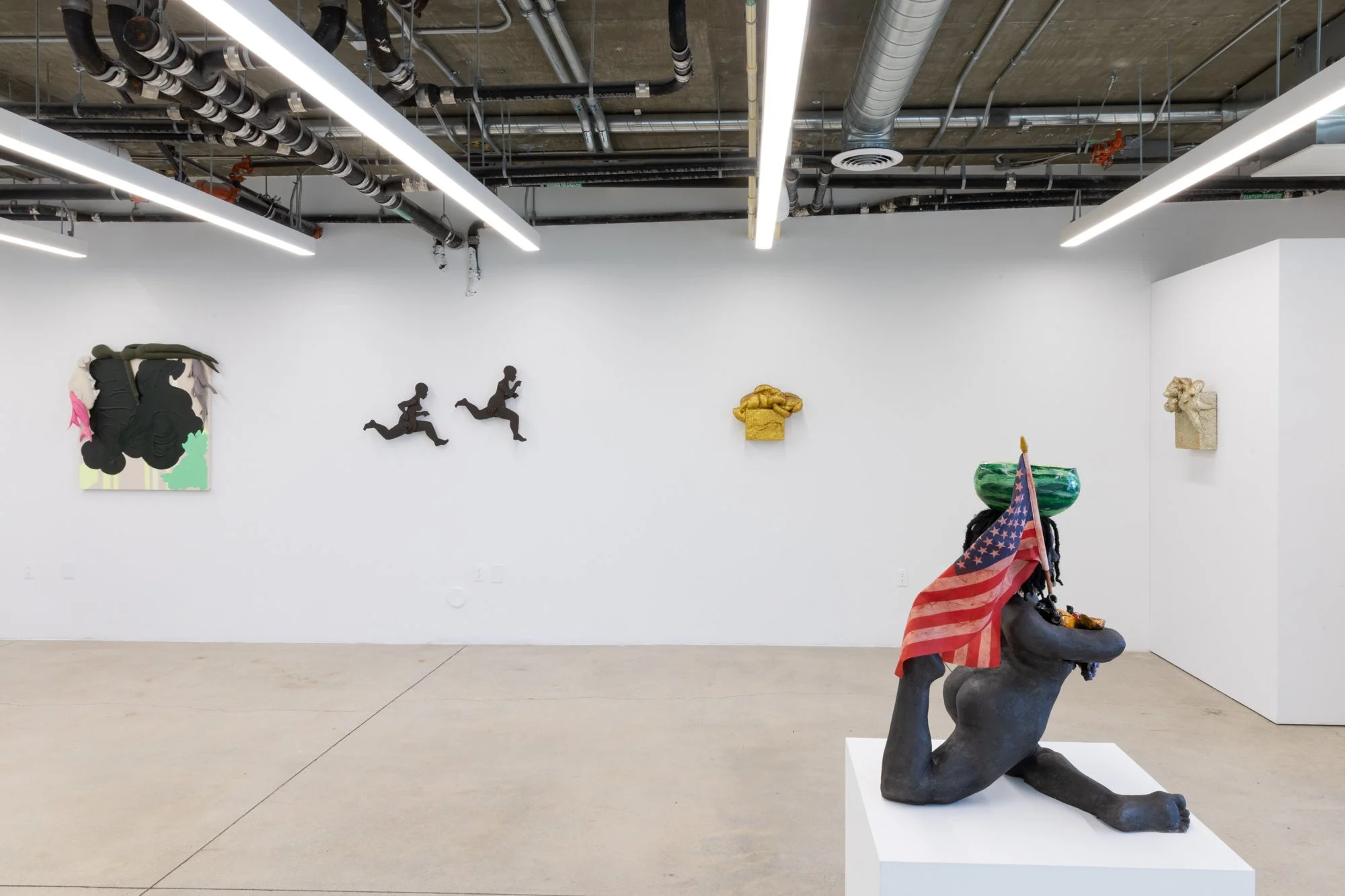
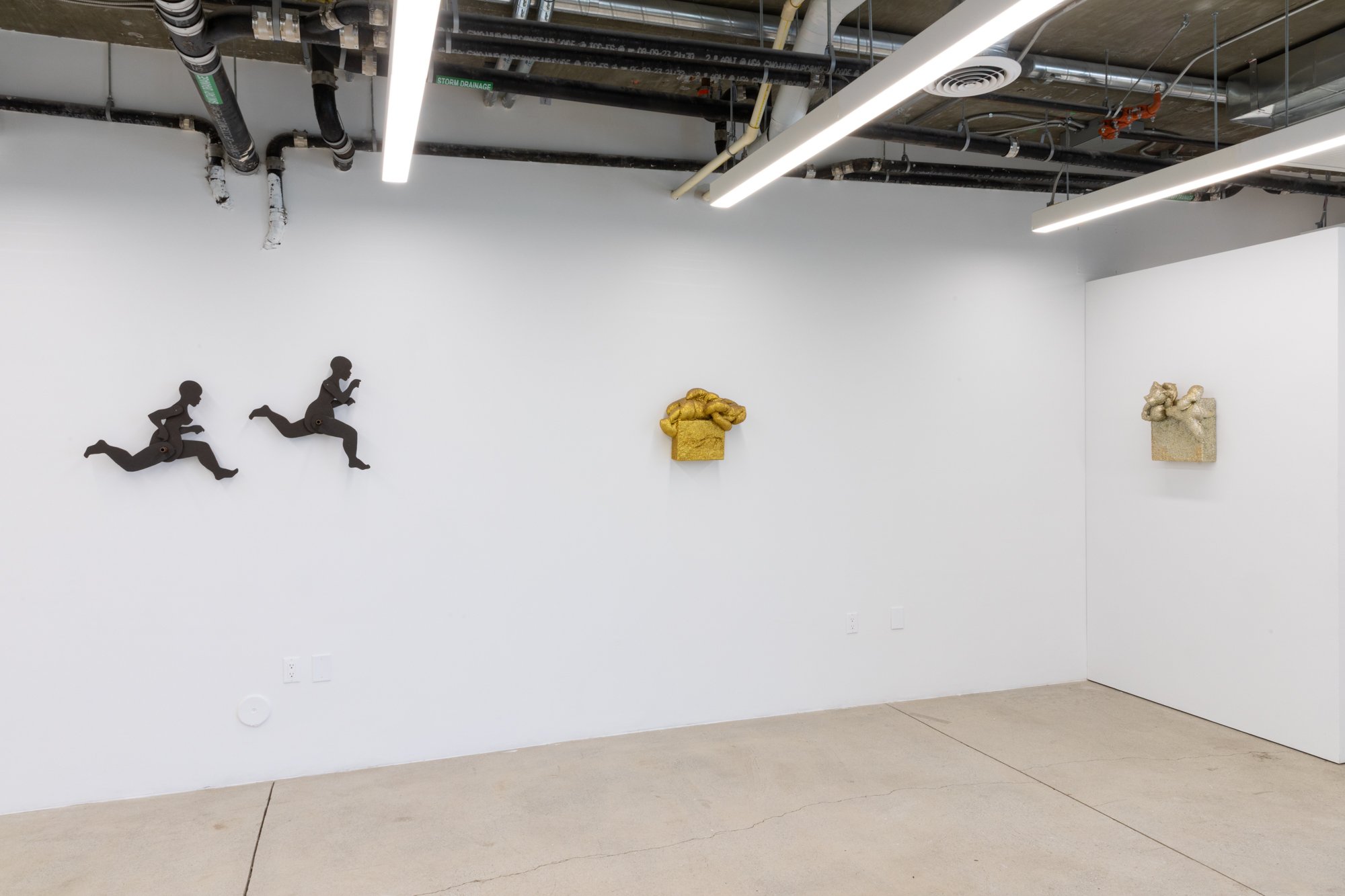
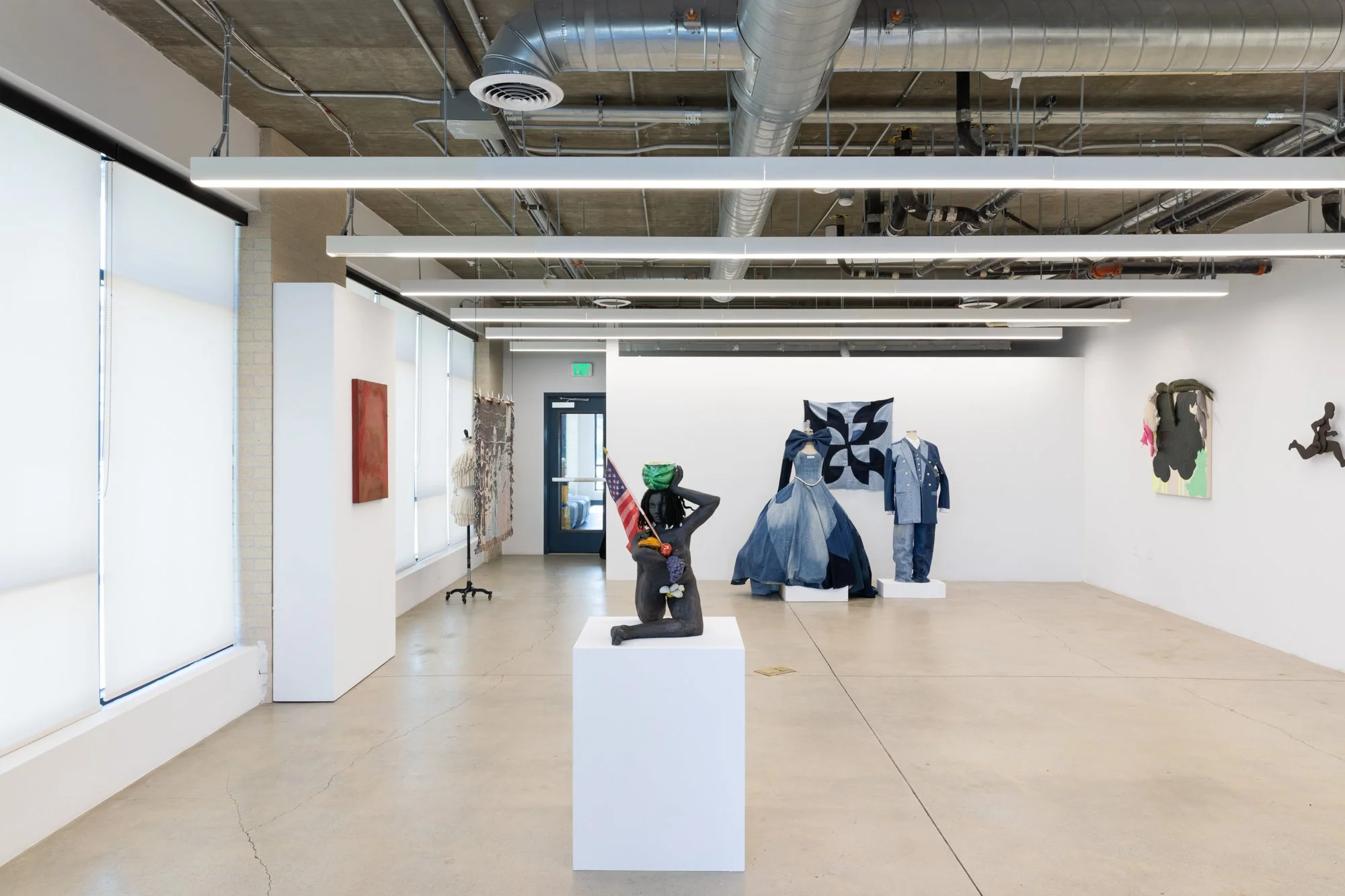
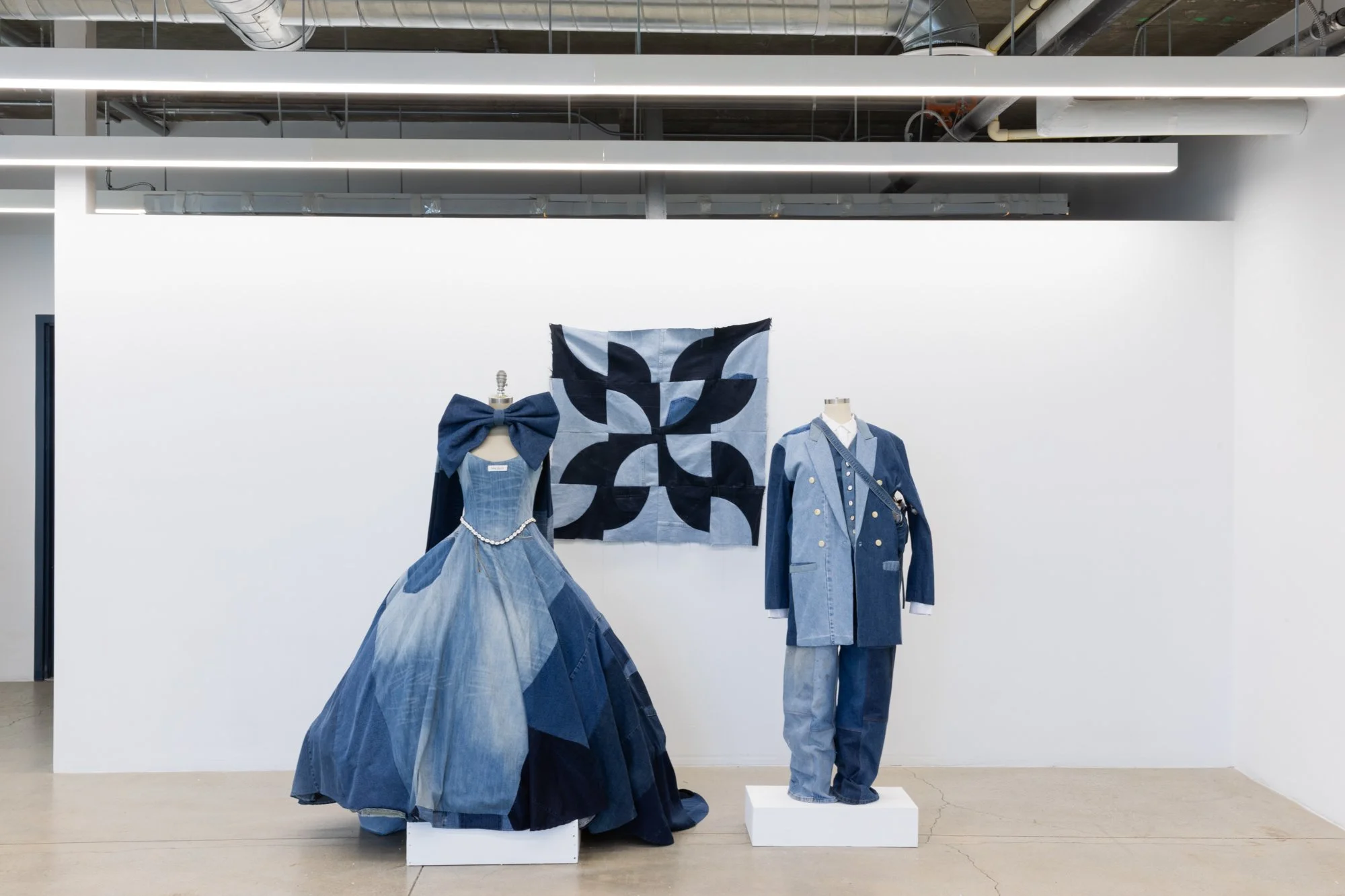
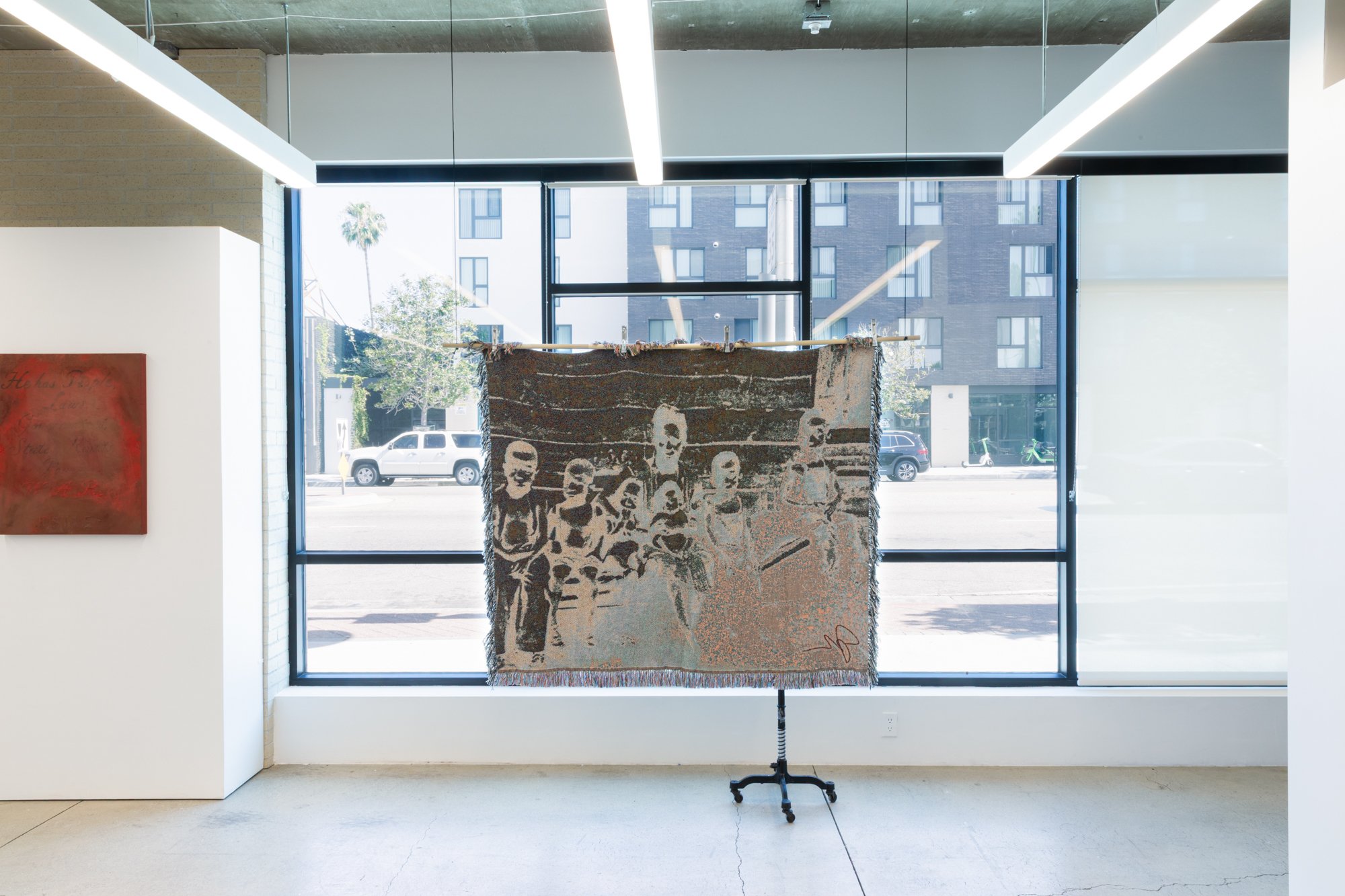
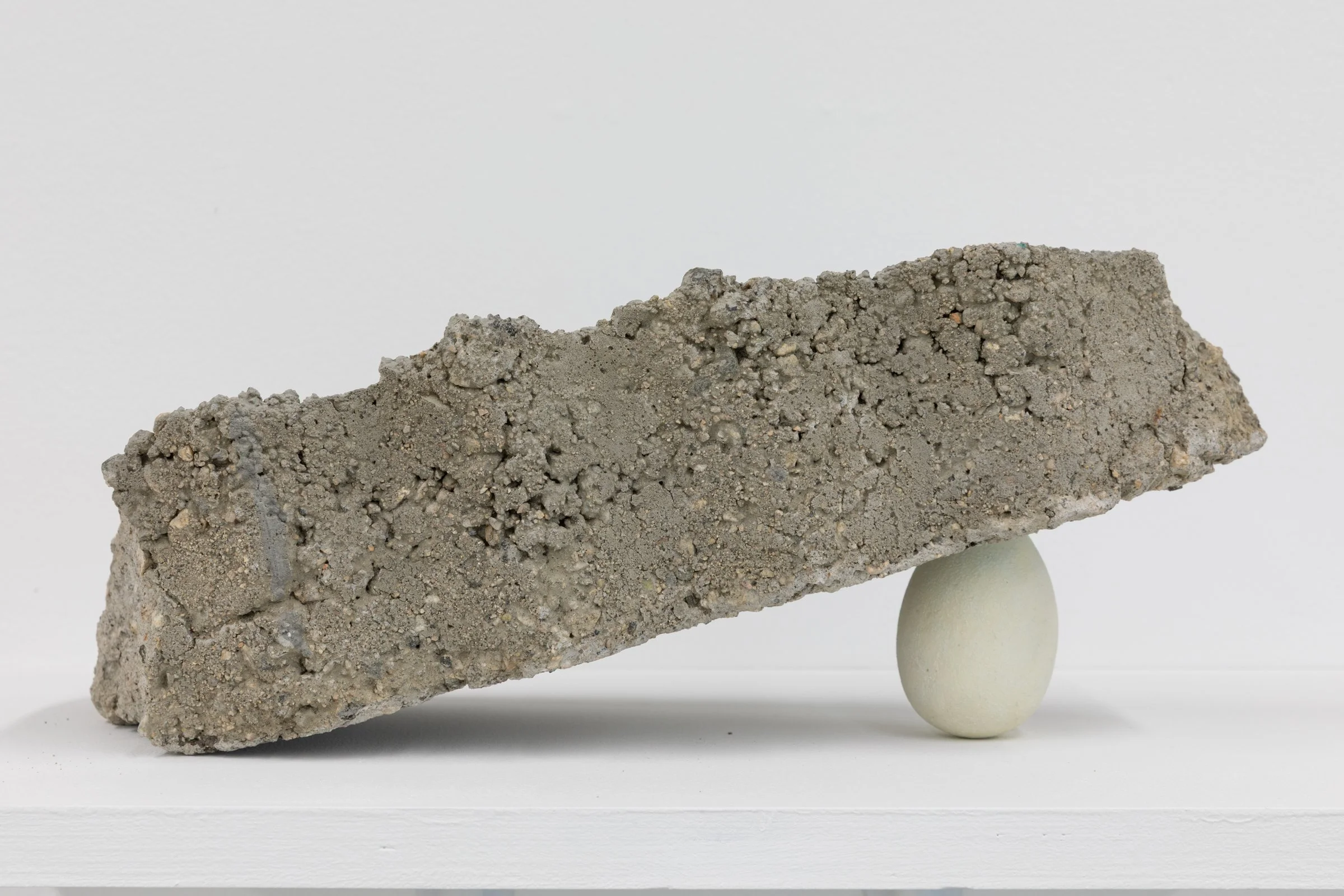
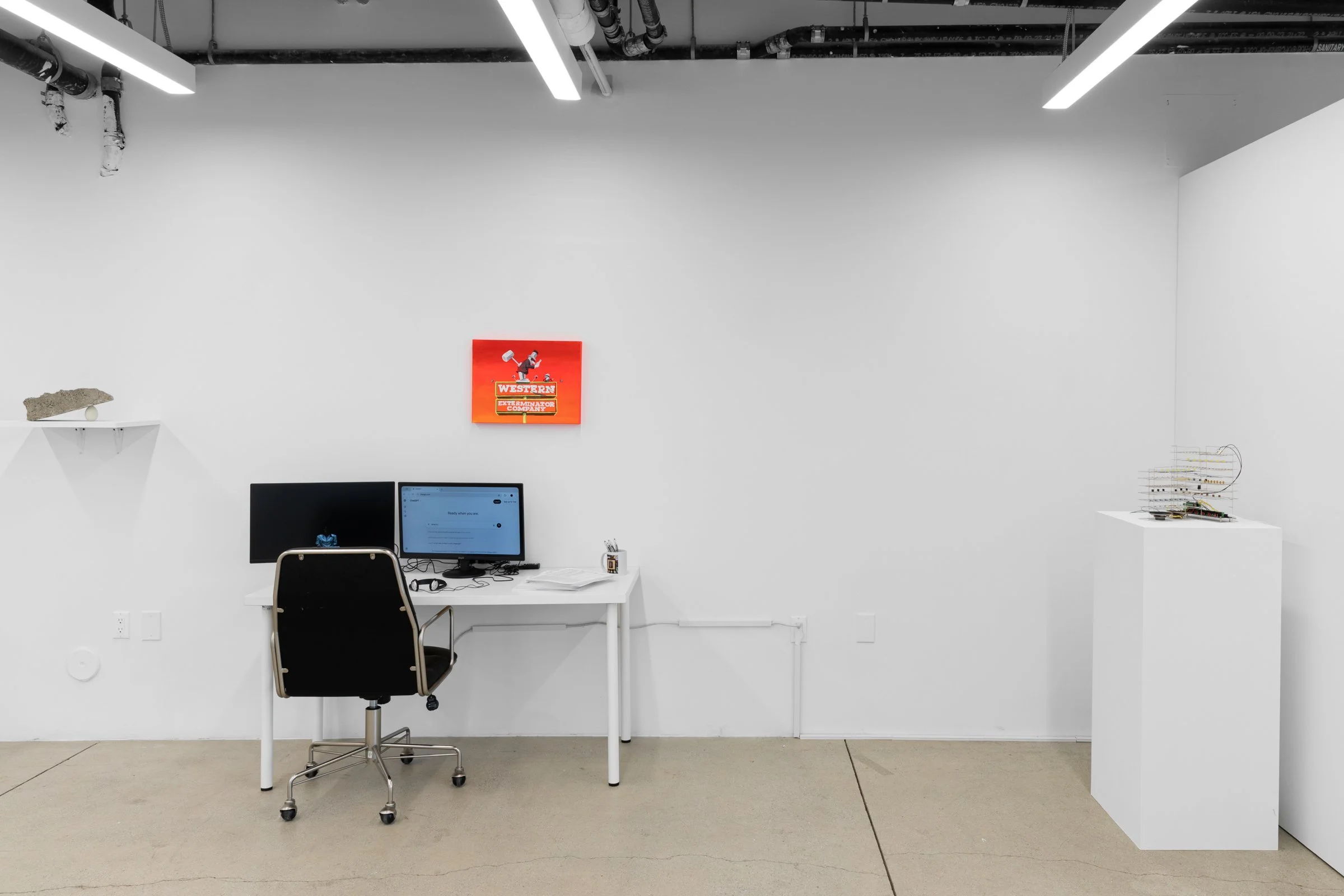
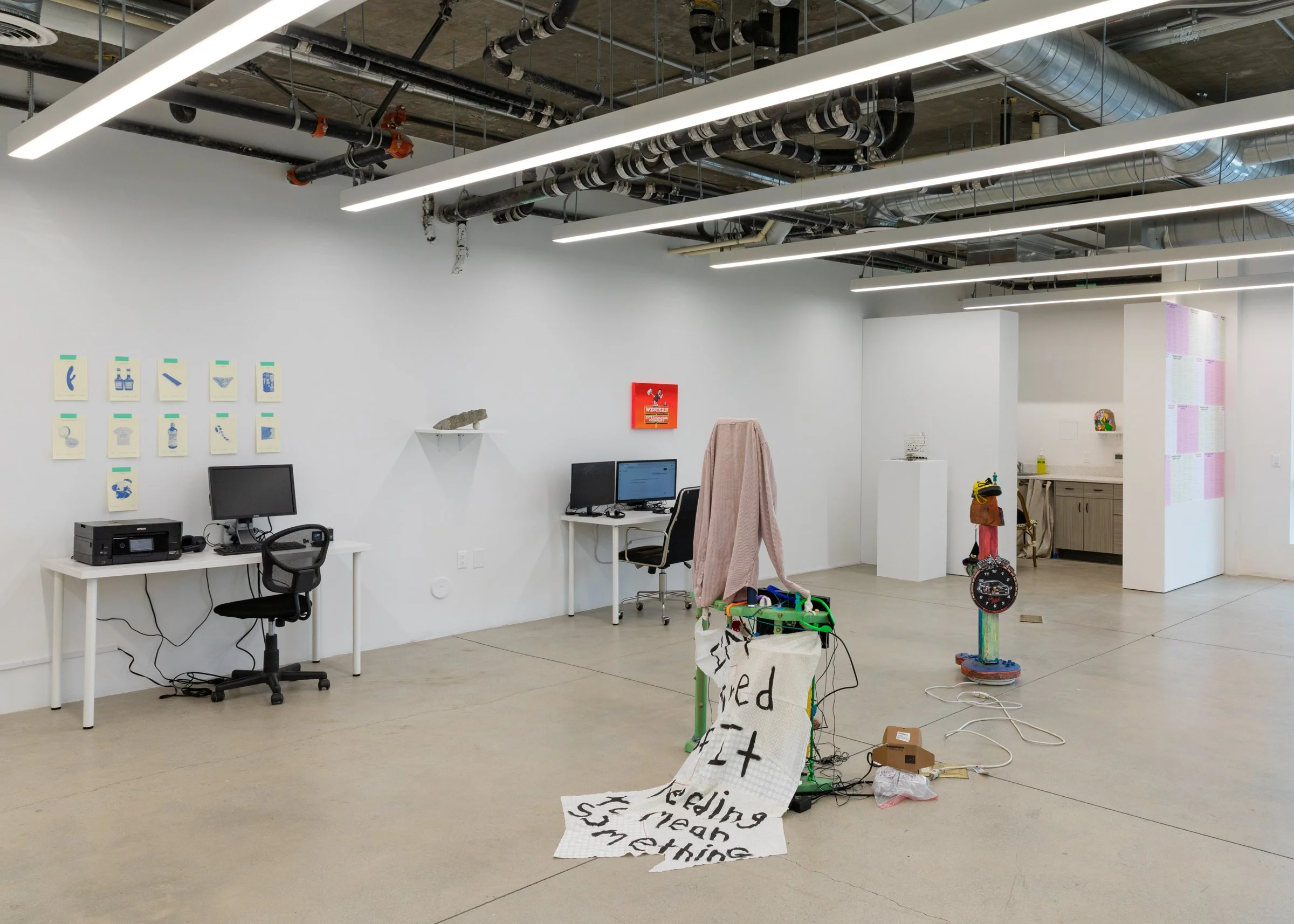
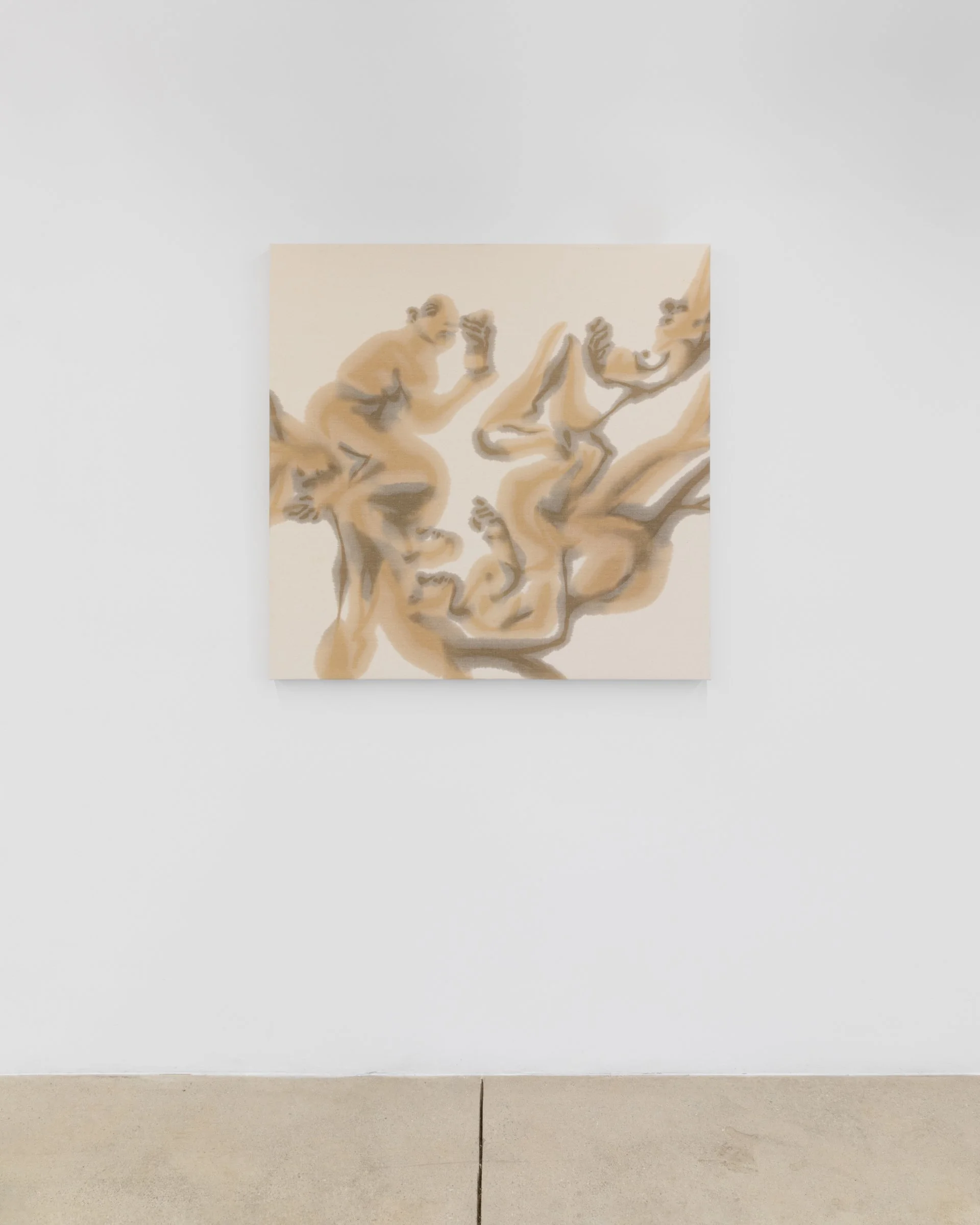
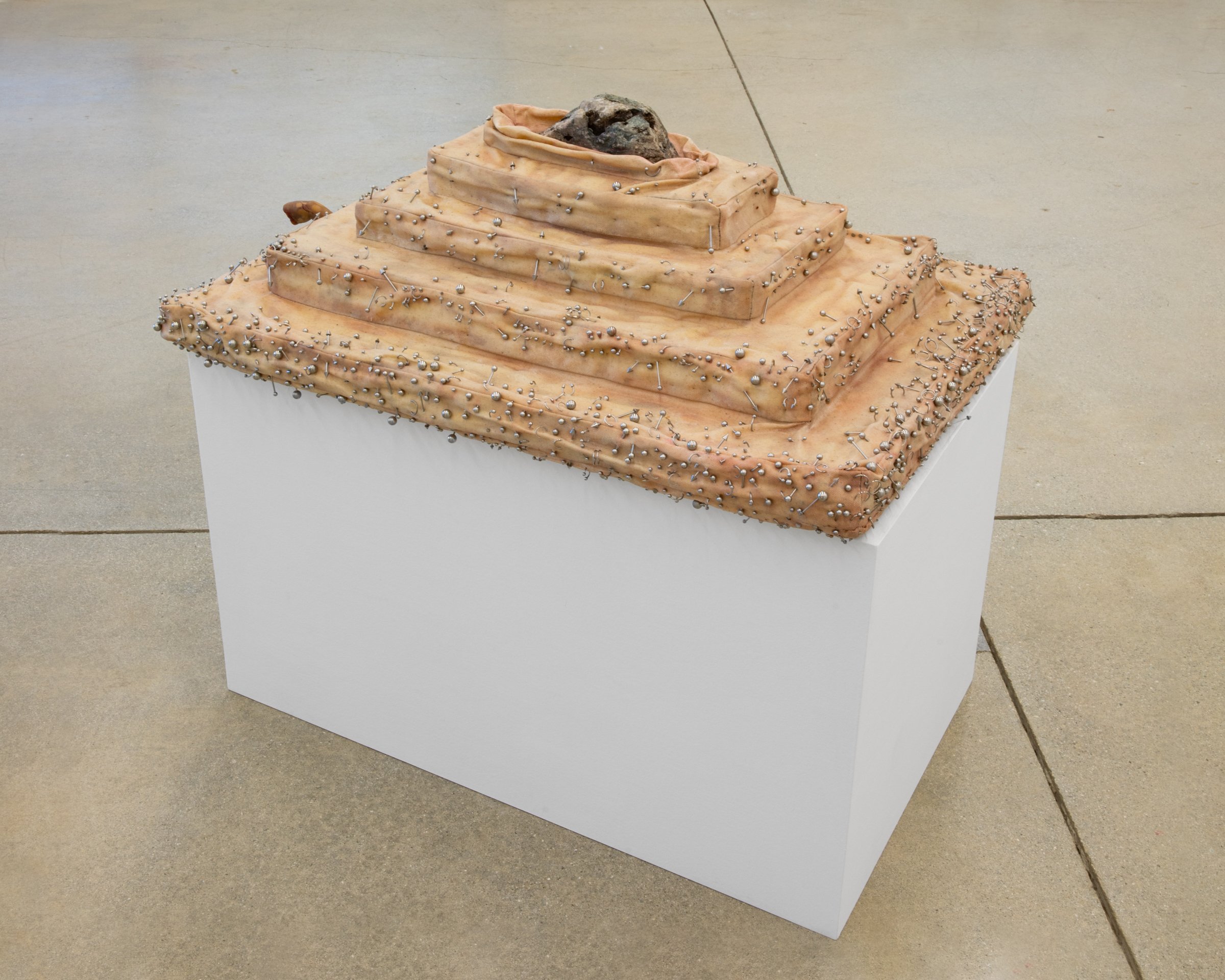
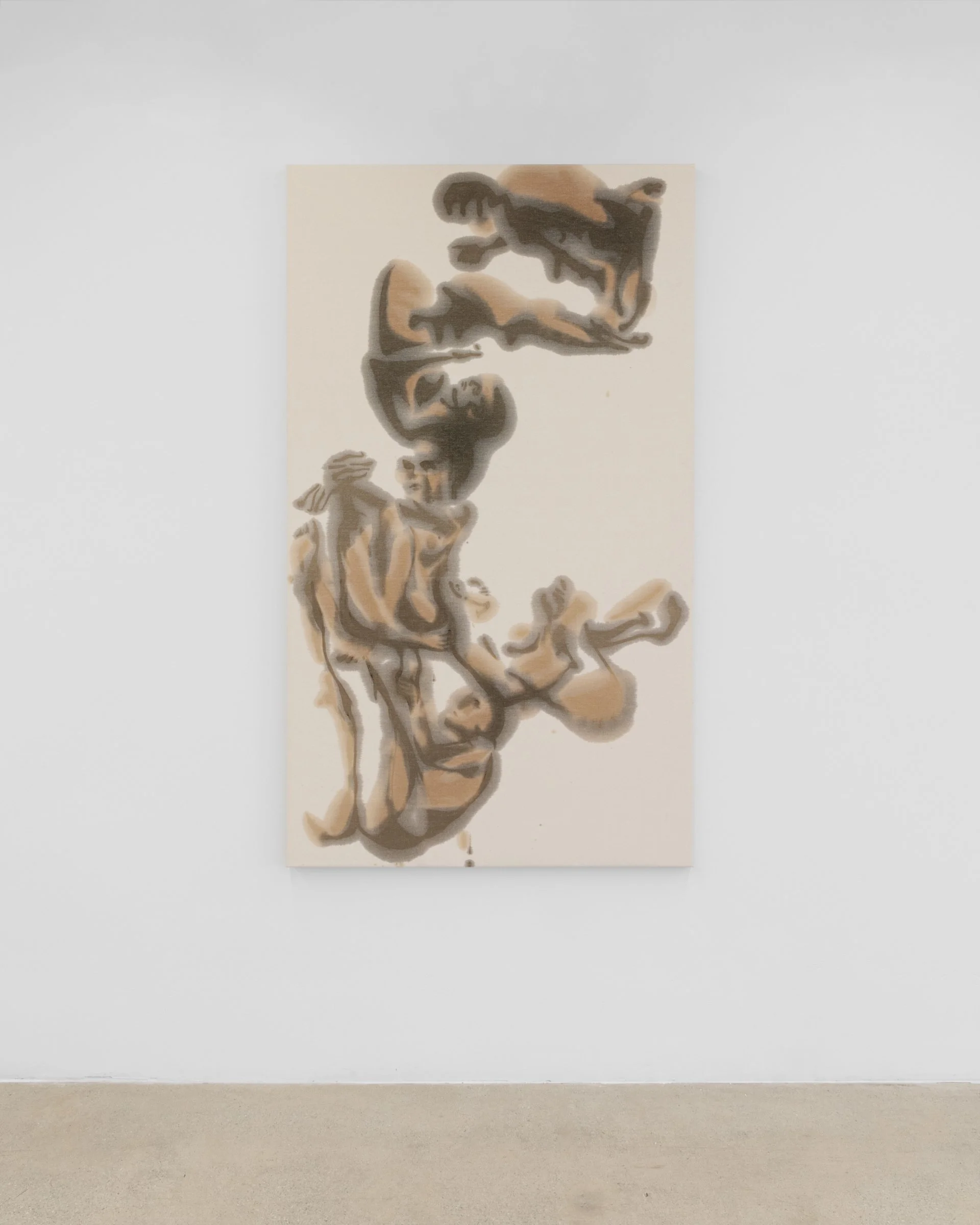
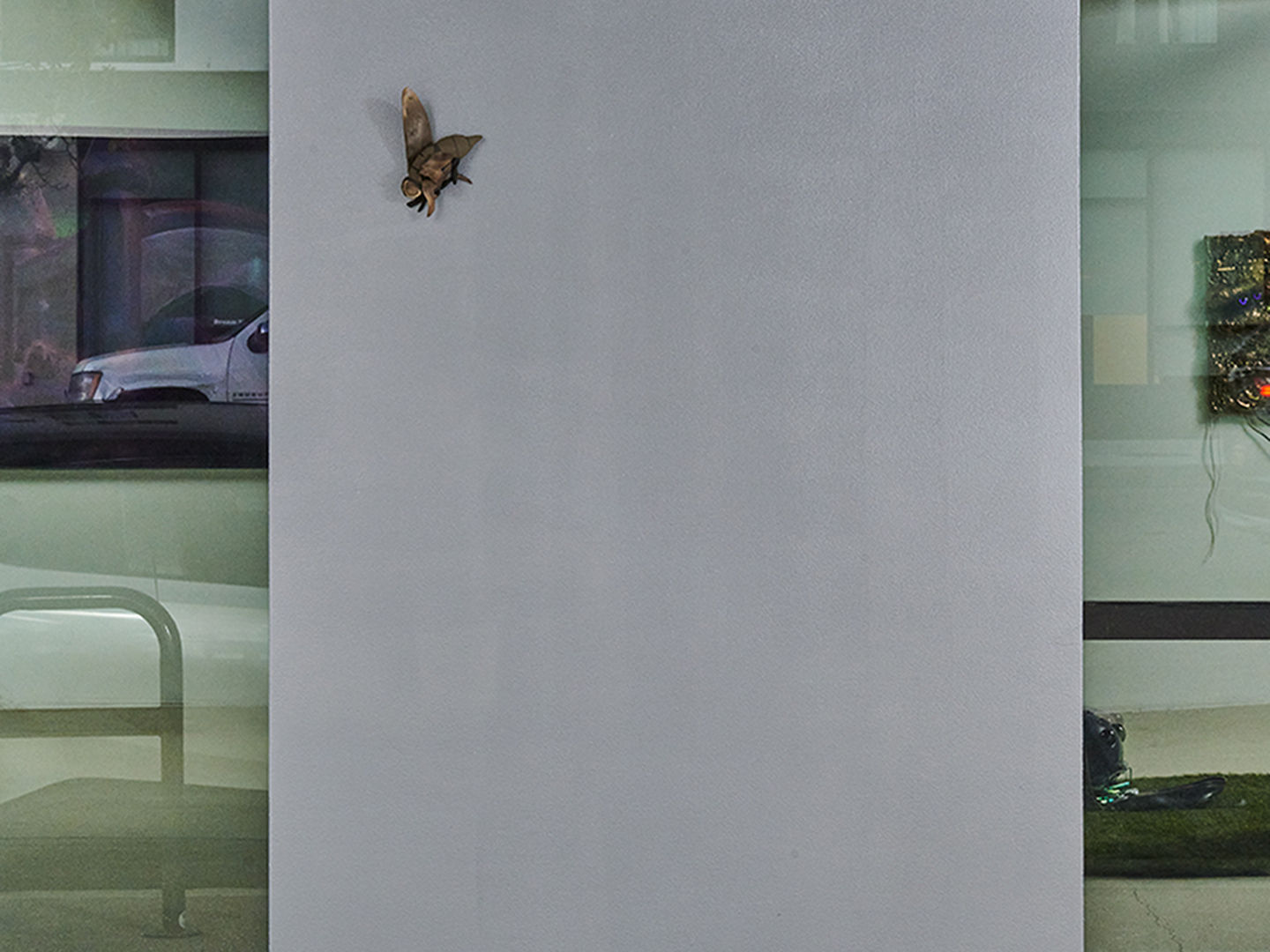
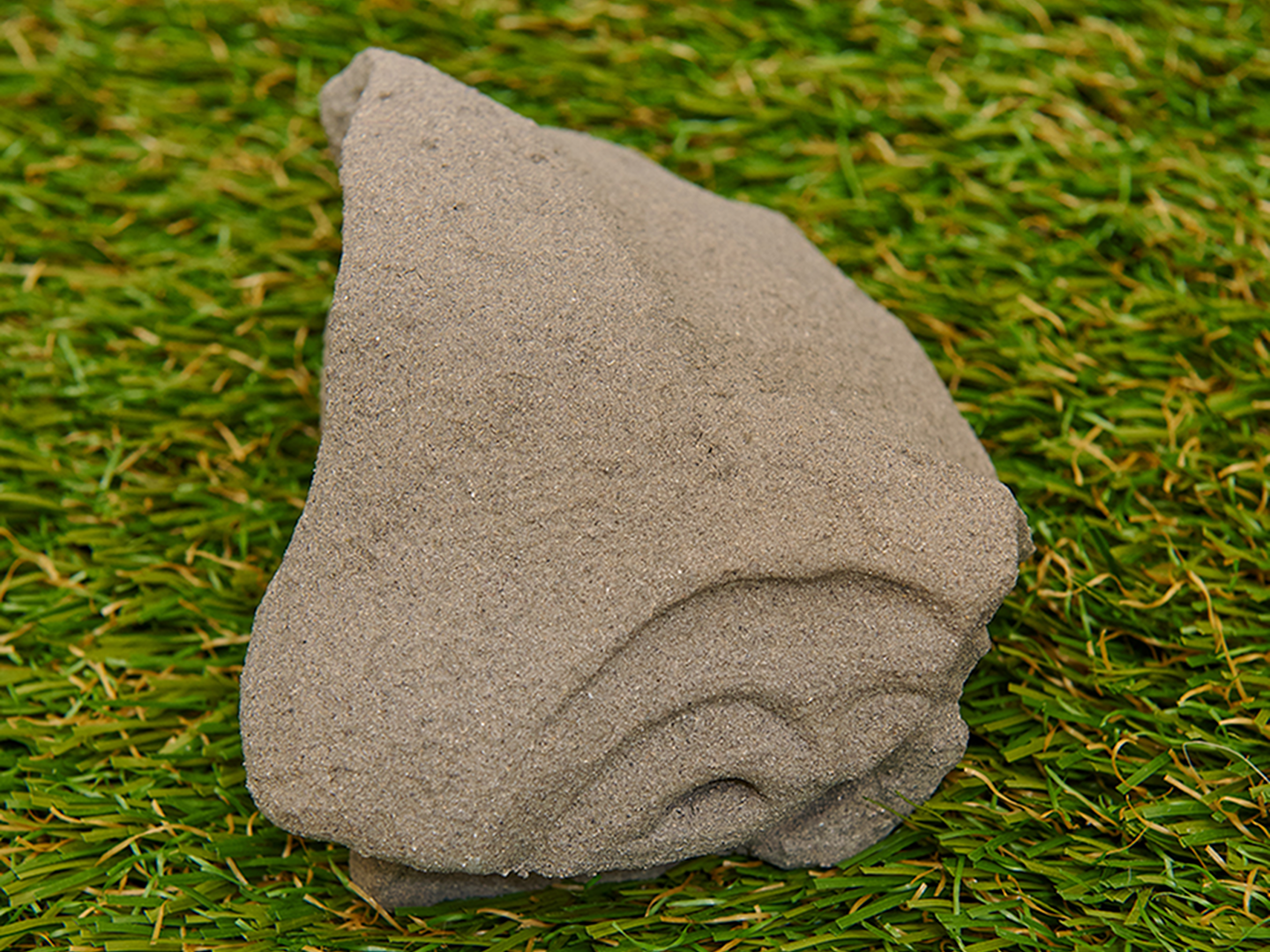
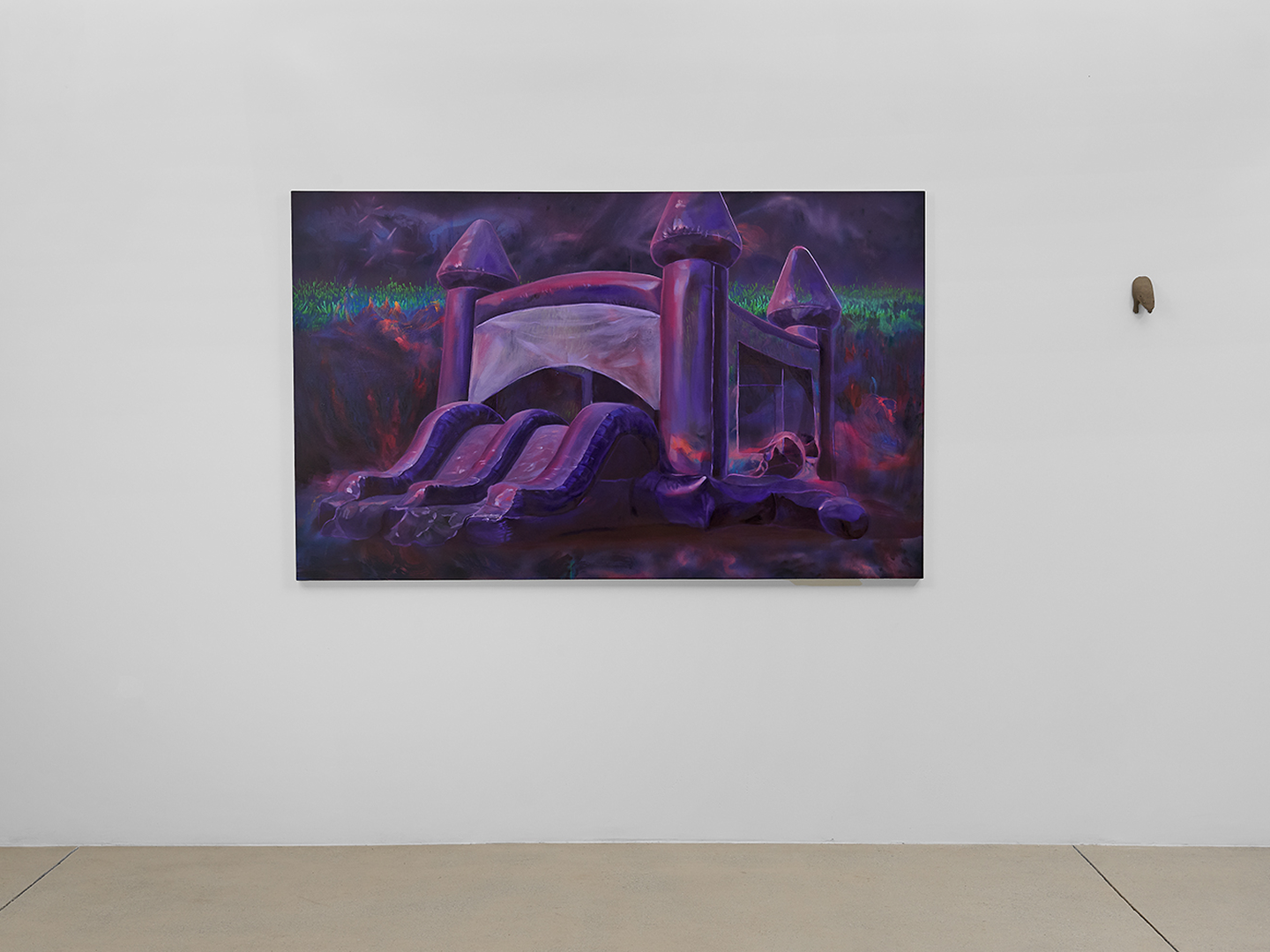
Currency Exchange is pleased to present Cast Shadows, a presentation of sculptures by Andy Montiel-Phillips and large-scale paintings by David Vega, nothing is as it seems at first glance. Bright colors, cartoon shapes and referential and ubiquitous symbols, icons and fonts create a quick access point and immediate familiarity, only to divulge into something darker and more distorted. The familiar becomes a kind of mirror—reflecting personal memory, popular culture, and our collective psychic entanglement with a muddy national history back at us.
A visual storyteller, Vega blends vibrant color palettes with crisp lines, striking patterns, and abstract forms to create large-scale paintings that offer an all-too-familiar, dizzying reconciliation of contemporary visual culture and history. Vega’s paintings are an accusatory gesture—confronting histories of Indigenous displacement, massacre, exploitation, and cultural erasure. Through his work, Vega questions who has been given the authority to record history, whose stories have been erased, and how those erasures continue to shape the way he understands himself today. The works are direct in their intent to reclaim and remember.
In his most recent work, this investigation turns inward. Vega questions what it means to understand oneself as Indigenous while growing up within a Catholic framework—a faith imposed through colonization, where conversion was often accompanied by violence and the destruction of sacred traditions. He asks what happens to ancestral identity when the gods, rituals, and beliefs of one’s ancestors are replaced or forbidden.
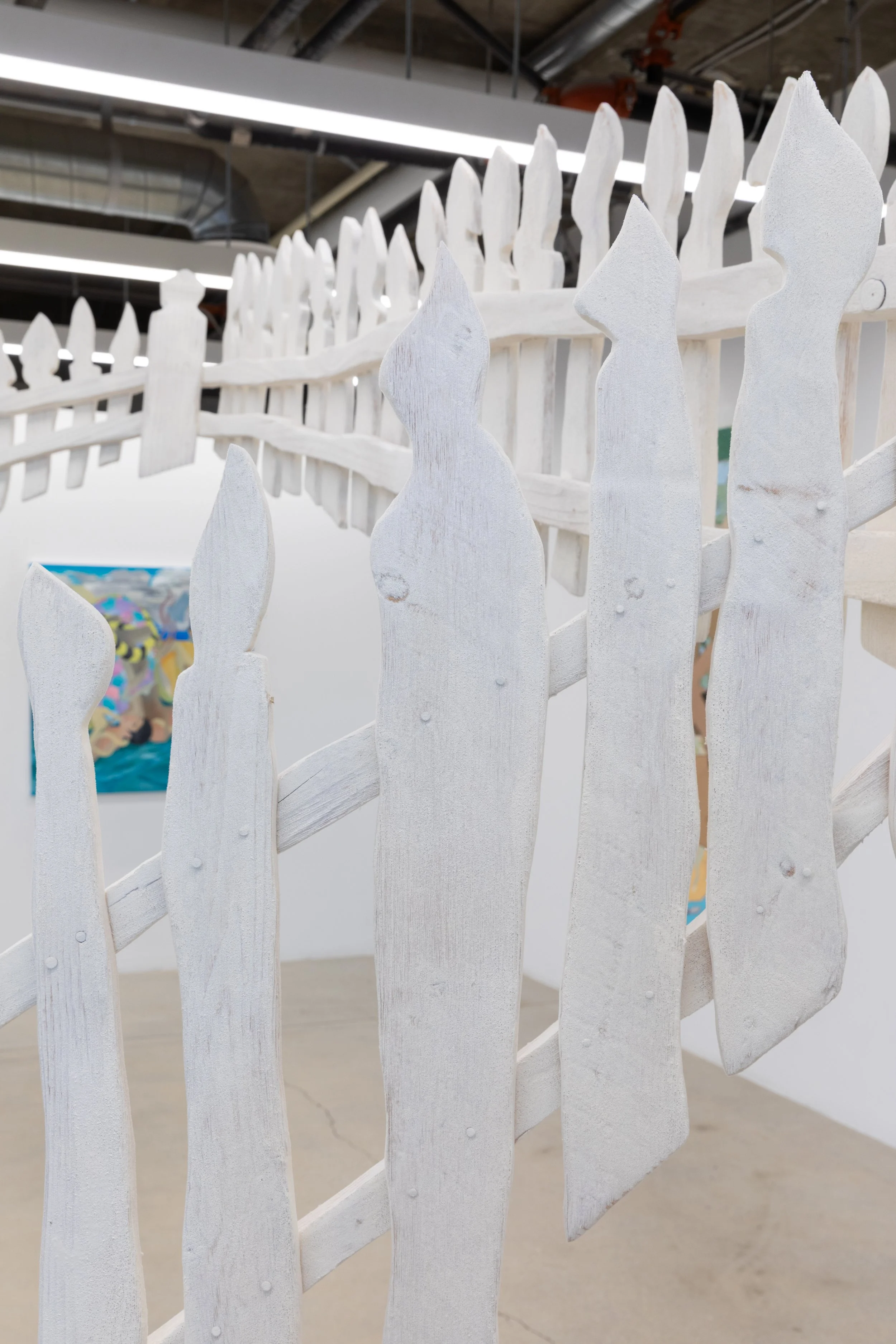
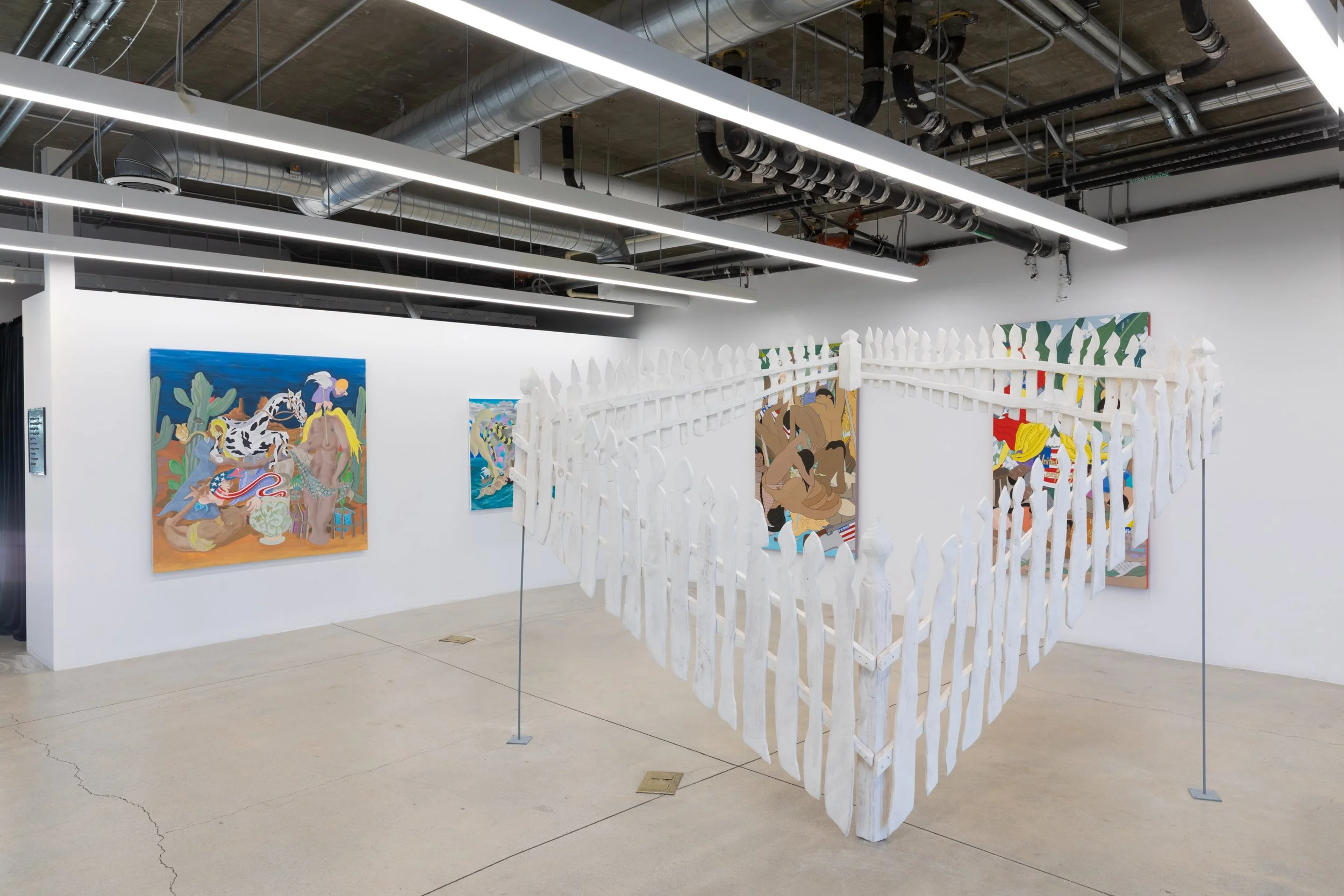
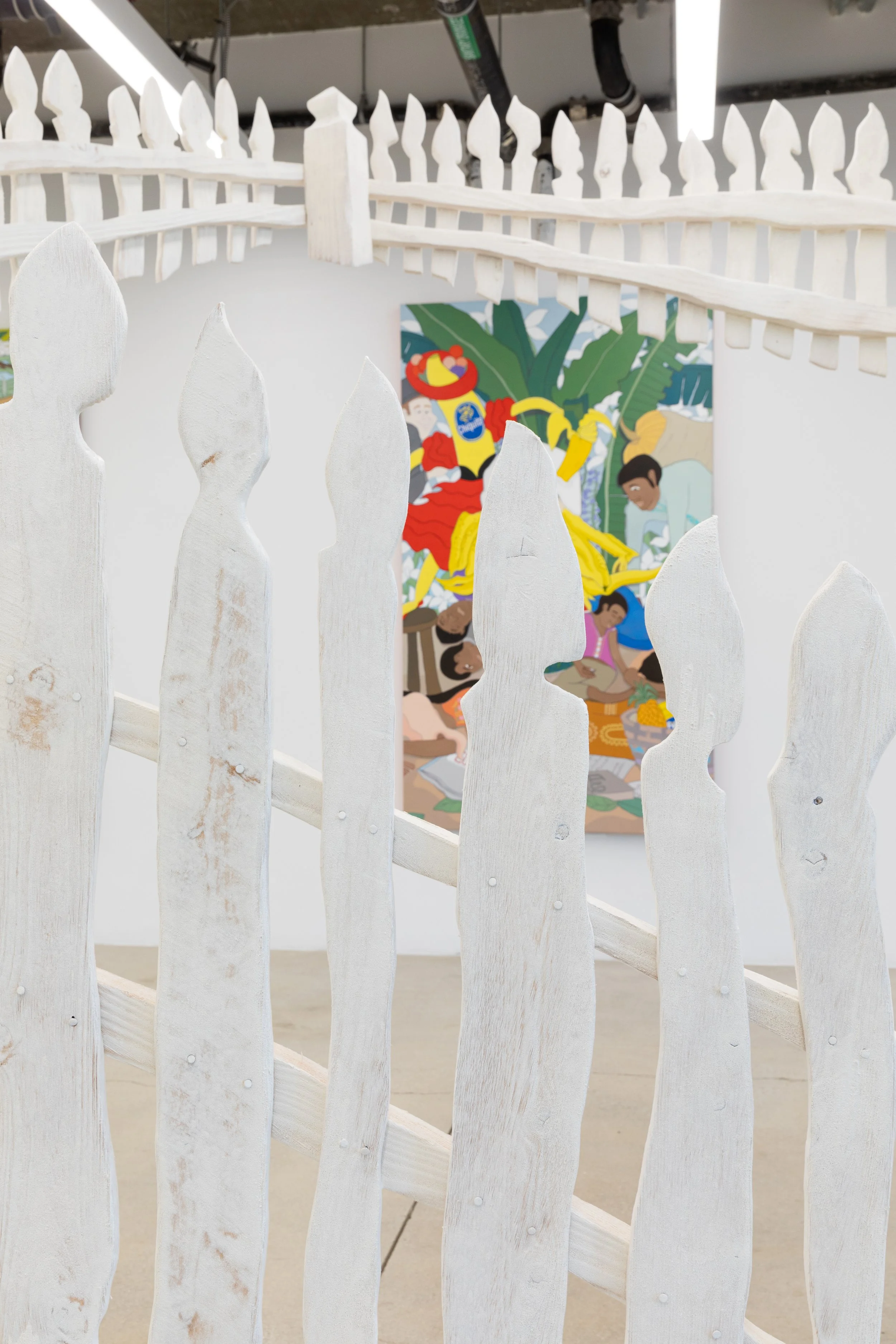
Montiel-Phillips uses symbol and technique to reduce the artwork to a cartoonish state in which viewers can enter easily and are rewarded the more they invest. The simplicity also allows for projection - something inherent in nostalgia - a principle focus of Montiel-Phillips work. Nostalgia is a powerful psychic tool. At its most benign, it allows for an almost euphoric daydream—a temporary disassociation from a difficult present. At its most consequential, nostalgia can become a political tool, reinforcing a desire to return to a past that either never existed or existed only through the exclusion of others. Montiel-Phillips utilizes one of the most emblematic symbols of the post-war idealism of the 1950, the white picket fence. In Specter, the artist sets a fixed perspective of this iconic architectural feature. There is a frontal logic to the work that operates similar to a facade. The freedom of the viewer to navigate outside of the fixed perspective demonstrates a time based disintegration of the original perspective, reminiscent of the fallacies of a unified national identity.
In How it Feels to be Alive, Megan O Grady writes “Our understanding of the universe is determined by ever-evolving parameters and by the distance between our present reality and how we once perceived things. We know more, and we know differently. Occupy another position in the orbit, and a slice of the world once cast in shadow comes into the light.”
The meeting point of the distorted reflection that emerges by looking into the past and a desire to accurately reflect our current “post-truth” (sometimes already distorted) reality is at the core of Cast Shadows. And as we sit at this inflection point - we wonder as the point in which we shine a light on truth is forever moving - how might the shadow that is cast on this current moment shift in ways we can’t currently even imagine.The meeting point between the distorted reflection that emerges when looking into the past and the desire to accurately reflect our current, “post-truth”—and sometimes already distorted—reality sits at the core of Cast Shadows. Both artists use familiar imagery to question how we understand the past, and how that understanding shapes our current perception of reality.
And as we sit at this particular inflection point, the exhibition leaves us with another question: if the position from which we shine a light on truth is forever moving, how might the shadows cast by this current moment shift in ways we cannot yet imagine?
For inquiries and private viewing appointments Please contact us: hello@cxla.org
David Vega & Andy Montiel Phillips ▲ Cast Shadows ▲ Opens Saturday 9/12, 5-8 PM ▲ Karaoke Saturday 10/10, 7-10 PM ▲ Closing Reception & Community Feed ▲ Saturday 11/14, 4-7 PM ▲
David Vega & Andy Montiel Phillips ▲ Cast Shadows ▲ Opens Saturday 9/12, 5-8 PM ▲ Karaoke Saturday 10/10, 7-10 PM ▲ Closing Reception & Community Feed ▲ Saturday 11/14, 4-7 PM ▲
Exhibition Archive
7.17.26
Lustered Performance
Marilyn Garcia
Opening:
Friday, July 17, 2026
Artist Talk:
Sunday, July 19, 2026
-
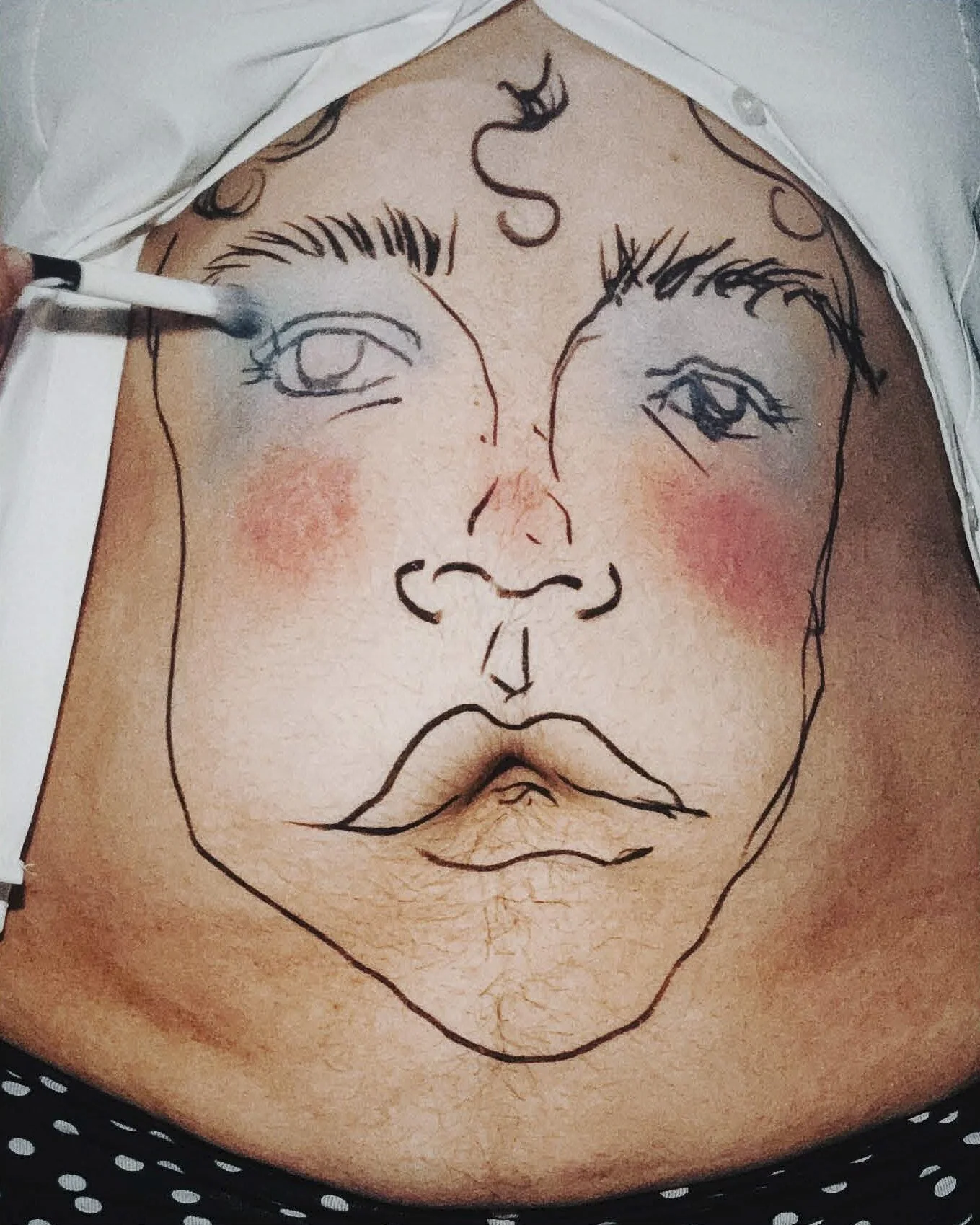
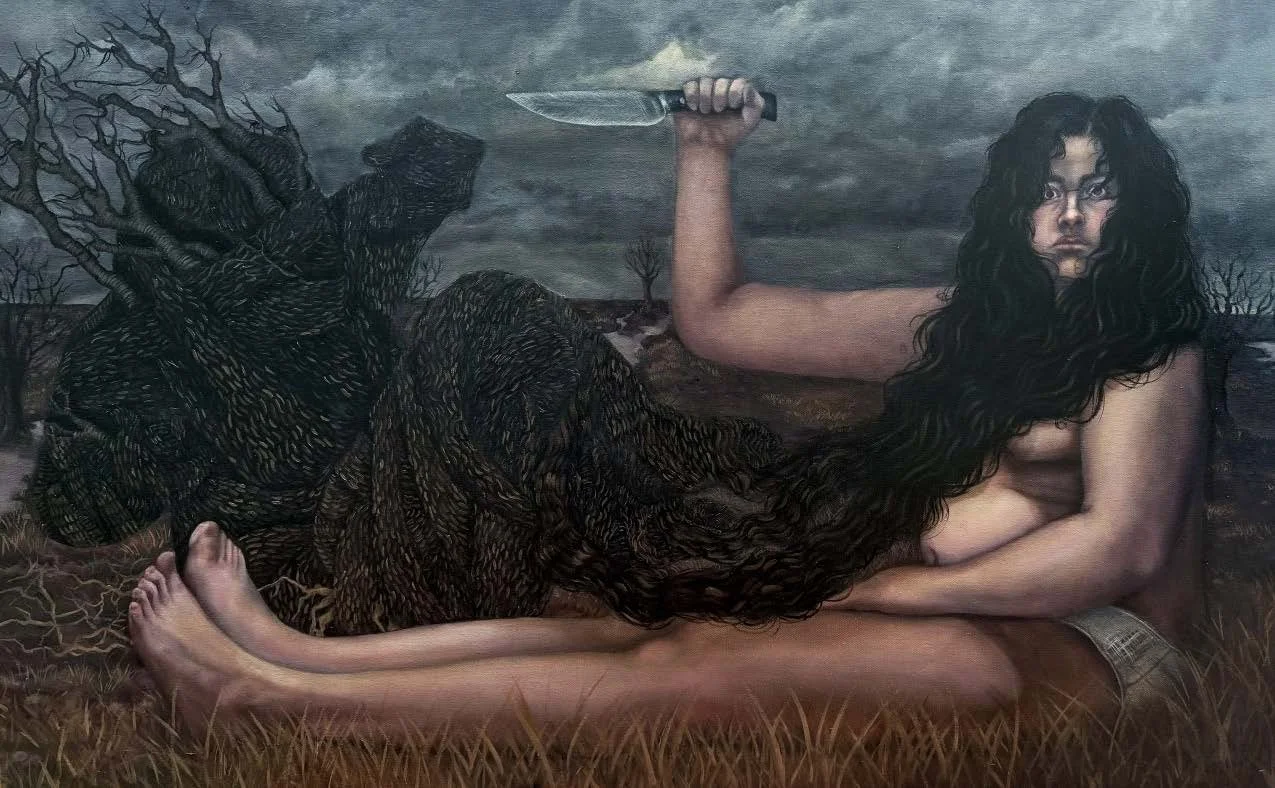
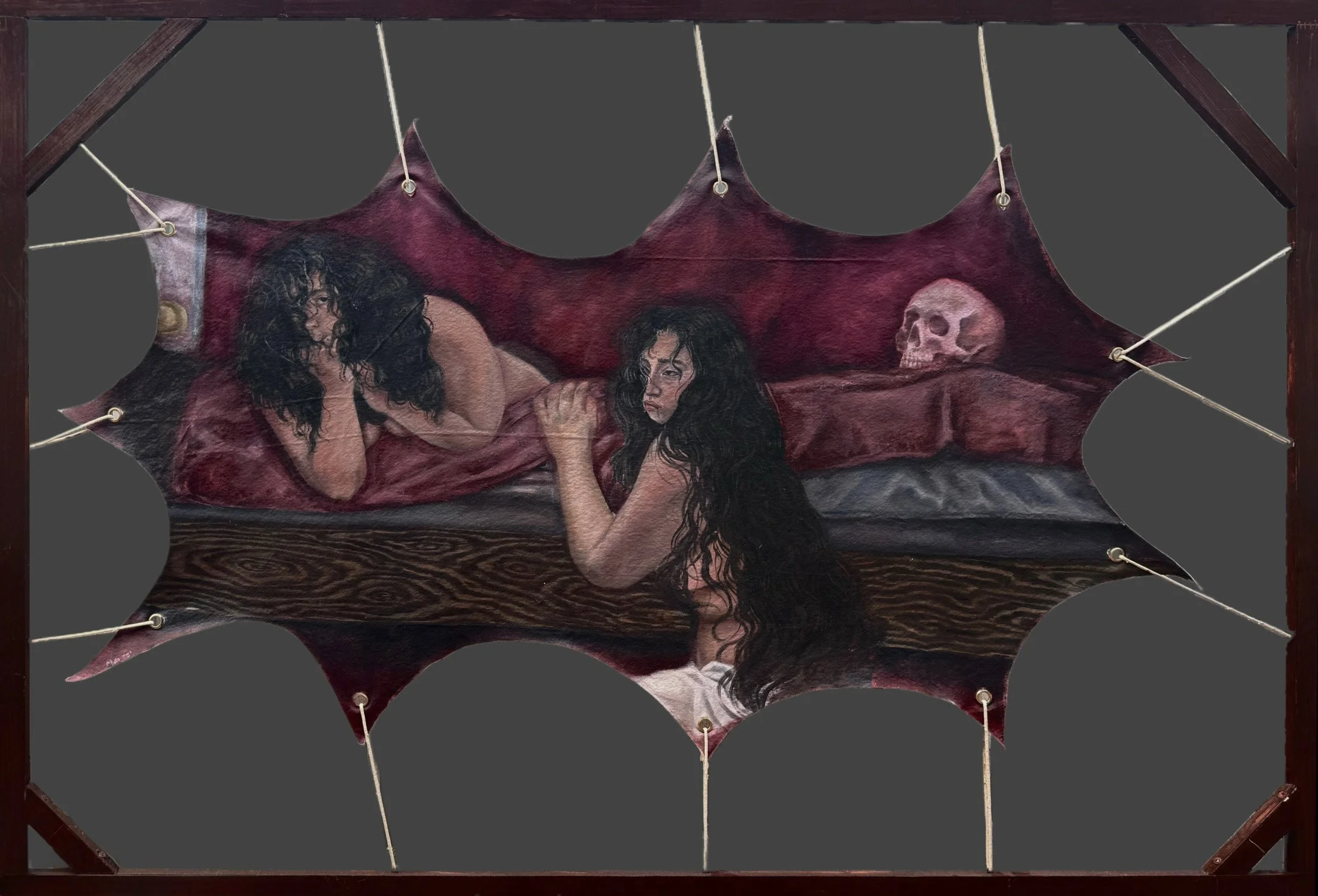
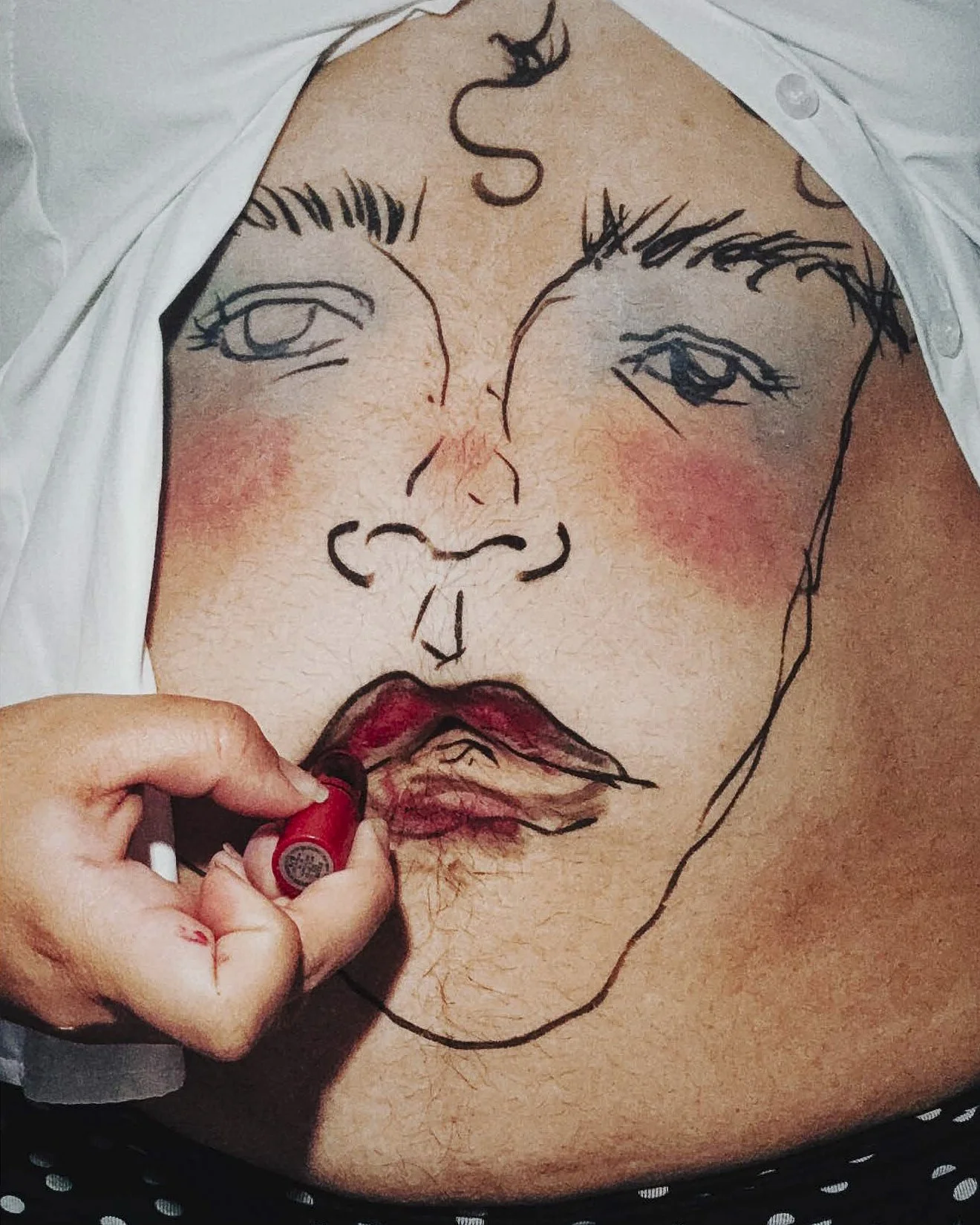
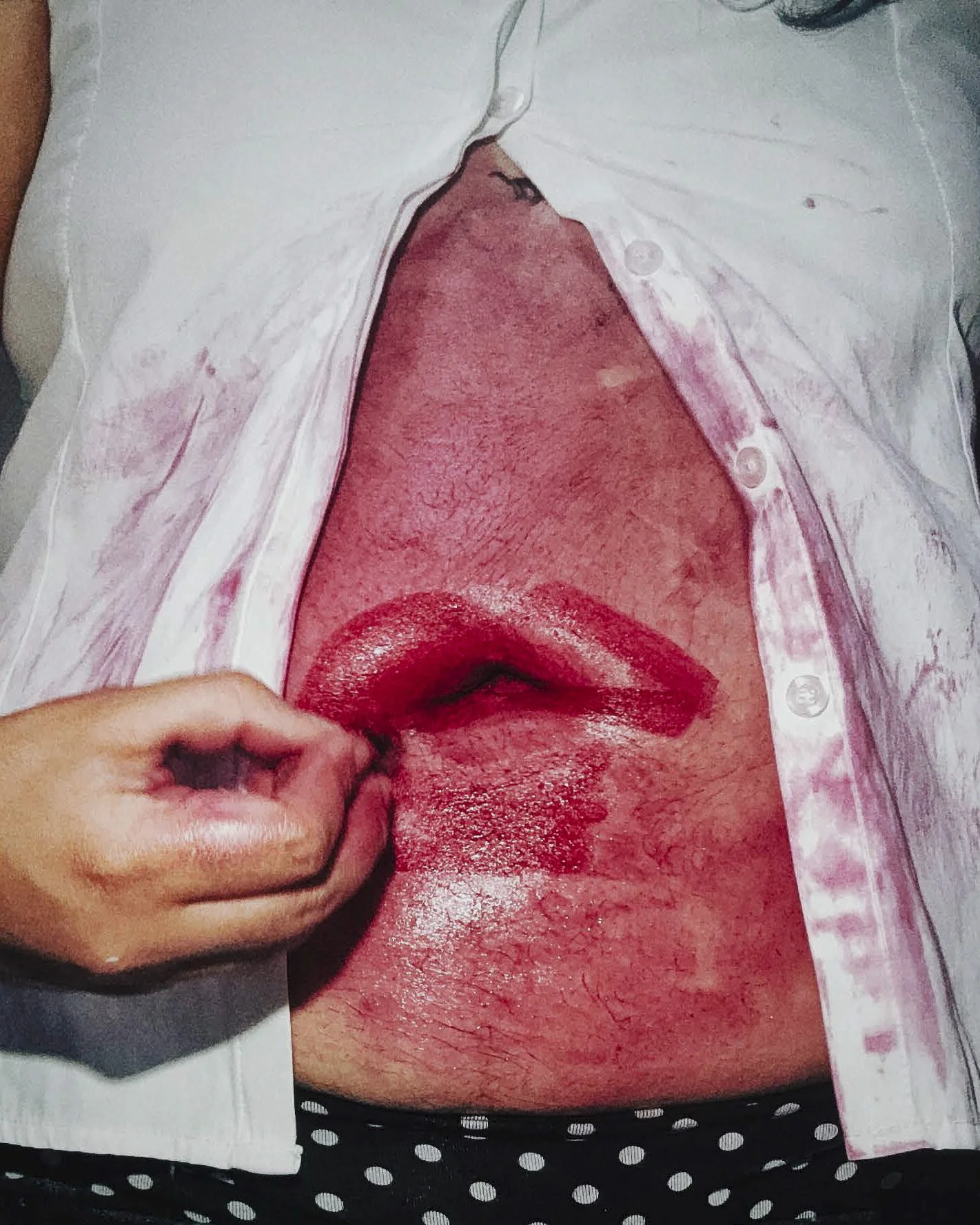
Marilyn Garcia is a multidisciplinary artist working across oil painting, photography, sculpture, and mixed media. As the daughter of Guatemalan immigrants, her practice explores identity, performance, memory, and the unconscious through works that merge personal experience with broader social questions. Originally examining the lasting effects of the Guatemalan genocide and colonial histories, Garcia's practice evolved inward toward self-portraiture and the psychology of identity. Using her own body as both subject and vessel, she investigates the ways individuals inherit, construct, and perform their sense of self. Through painting and material experimentation, Garcia invites viewers to reflect on the emotional, cultural, and unconscious forces that shape who they become.
-
"I was born naked, and the rest of my life has been adorned and glamorized to performance."
Presented by DMST Atelier, Lustered Performance is a solo exhibition by Marilyn Garcia featuring oil paintings, photography, and mixed-media works made between 2025 and 2026. Through self-portraiture and recurring motifs, Garcia explores identity not as something discovered but as something inherited, assembled, and continually rehearsed. Existing is never a passive act. Before we understand ourselves, we have already begun absorbing histories, gestures, expectations, and cultural narratives that quietly shape the people we become.The exhibition's title refers to the polished performances that define everyday life. To luster is to polish, embellish, and make radiant. Performance, in Garcia's practice, extends beyond the stage or theatrical act. It describes the unconscious rituals through which identity is constructed. The ways we learn to inhabit our bodies, perform femininity, navigate cultural expectations, and present ourselves to the world. Rather than asking viewers to uncover an authentic self beneath these performances, Lustered Performance considers whether such a self has ever existed outside of them.
Throughout the exhibition, Garcia approaches self-portraiture not as autobiography but as performance. Her body becomes a character capable of carrying ideas beyond individual experience. Removed from conventional portraiture, the figure shifts from representing a single person to becoming a site where emotion, memory, and social expectation intersect. By distancing the body from biography, Garcia creates space for viewers to project their own experiences onto the work, allowing personal narratives to merge with collective ones.
Rather than presenting identity as fixed, Lustered Performance understands it as an ongoing process of becoming. Garcia's paintings and mixed-media works ask viewers to consider not only the roles they consciously perform but also the unconscious forces that shape them. The exhibition ultimately questions whether identity is something we possess or something we continuously create through living.
6.13.26
Is It True!?
Group Exhibition
Opening:
Saturday, June 13, 2026
Karaoke:
Saturday, July 20, 2026
Community Feed:
Saturday, July 11, 2026
-
Adrian Culverson
Christina Joseph
Marantz Moon
Jakia March
Monique Mitchell
-
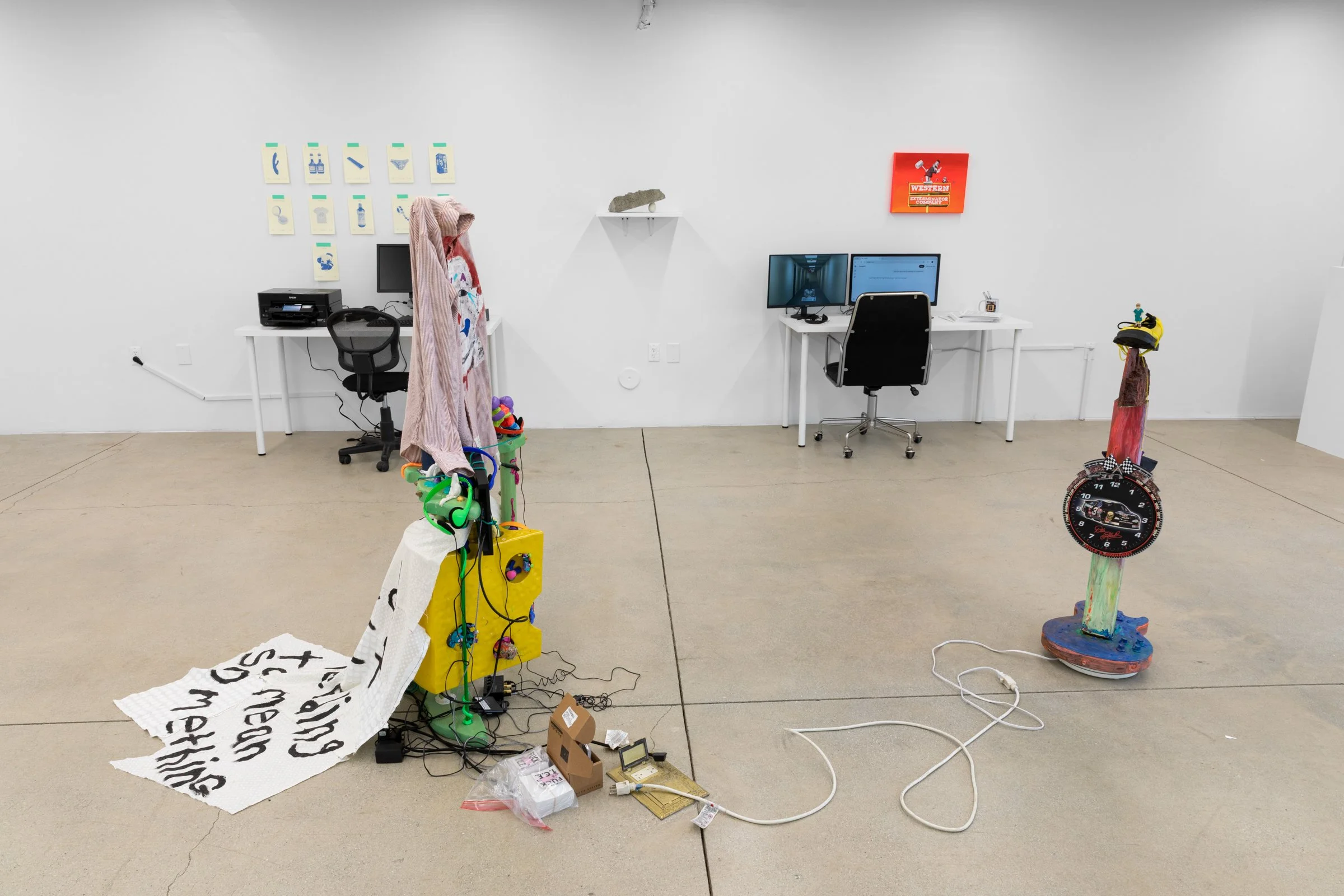
If the law can be effortlessly bent with money and power—then we, as working class people, need to imagine new ways of subterfuge. BLUE COLLAR CRIME presents 25 artists whose works exemplify working class solidarity by wielding humor, invention, pleasure, and irreverence in the face of instability. This exhibition is borne out of a recognition that white collar crime has produced an increasingly precarious world with which our only response can be blue collar crime. Corporate interests operate by a different set of rules, and profit at the expense of our collective well being. Private industry refuses to contribute their share of taxes while destroying the environment, stagnating wages, and monopolizing business. BLUE COLLAR CRIME distinguishes itself from the existing connotations of blue-collar crime as less sophisticated or [read more]
5.2.26
Blue Collar Crime
Group Exhibition
Opening:
Saturday, May 2, 2026
Community Feed:
Saturday, June 6, 2026
-
Acme Theory Alexander Valdez Jr. Alisa Yang Angelo and Temporary Services Eliseo Ortiz Eunsoo Jeong Evan Apodaca Gabe Life 100 Gemma Jimenez Hương Ngô June Sanders Keith Ballard Kent Sheely Martin Alexander Maura Brewer Megan Tatem Monica Juarez Noa Taylor Noah Ray Numa Perrier Public Collectors Rebecca Rose Riley Pettitt Sam Lavigne Virginia Yearick
-
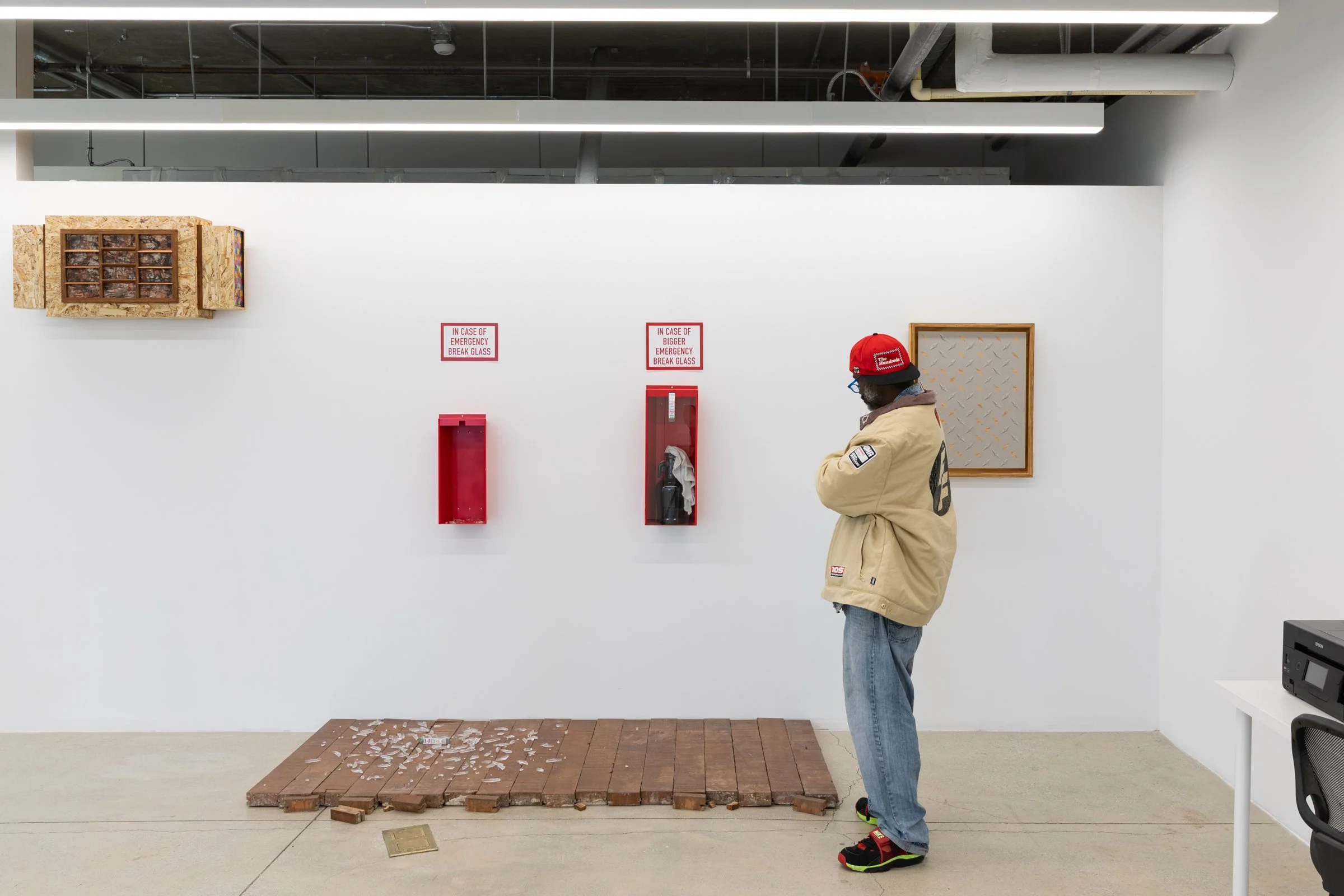
If the law can be effortlessly bent with money and power—then we, as working class people, need to imagine new ways of subterfuge. BLUE COLLAR CRIME presents 25 artists whose works exemplify working class solidarity by wielding humor, invention, pleasure, and irreverence in the face of instability. This exhibition is borne out of a recognition that white collar crime has produced an increasingly precarious world with which our only response can be blue collar crime. Corporate interests operate by a different set of rules, and profit at the expense of our collective well being. Private industry refuses to contribute their share of taxes while destroying the environment, stagnating wages, and monopolizing business. BLUE COLLAR CRIME distinguishes itself from the existing connotations of blue-collar crime as less sophisticated or more violent than white collar crime. BLUE COLLAR CRIME learns its lessons as the bastard step-child of white collar crime; it is subversive, furtive, unpredictable, conspiratorial, and fugitive. It delights, confuses, and surprises. It is the absurd born from the absurd. Through the exhibition, we redefine BLUE COLLAR CRIME as a language of possibility from a place of uncertainty. We reject money, power, control and cruelty as tenants of conservatism. Instead we harness humor, criticality, solidarity, vulnerability in the face of corruption and stand firm within the wealth of connection, acceptance, tolerance, imagination, and care.
2.14.26
Shapes of Imposition
Duo Exhibition
Opening:
Saturday, March 14, 2026
Karaoke:
Thursday, April 9, 2026
Community Feed:
Saturday, April 18, 2026
-
Adrian Culverson
Christina Joseph
Marantz Moon
Jakia March
Monique Mitchell
-
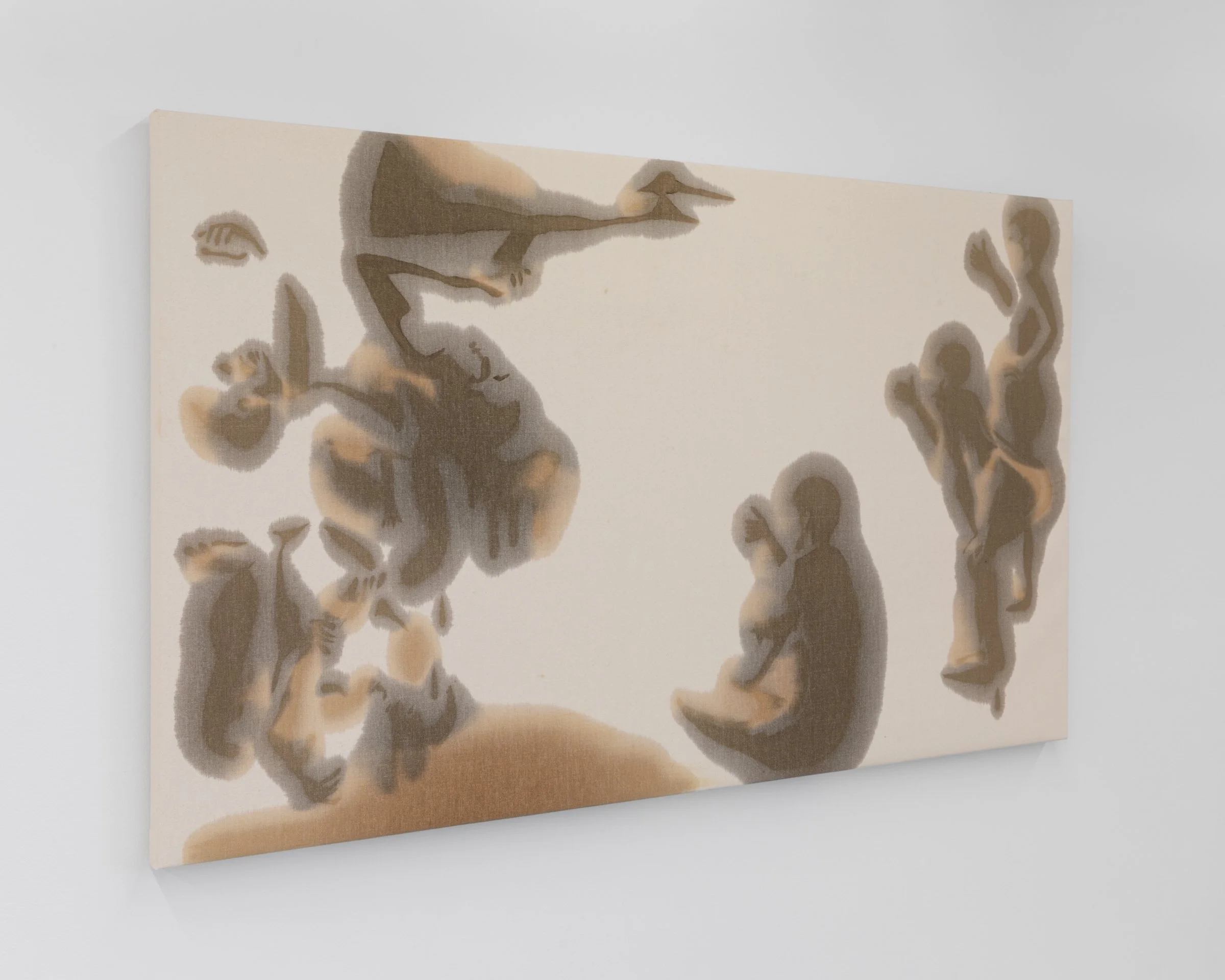
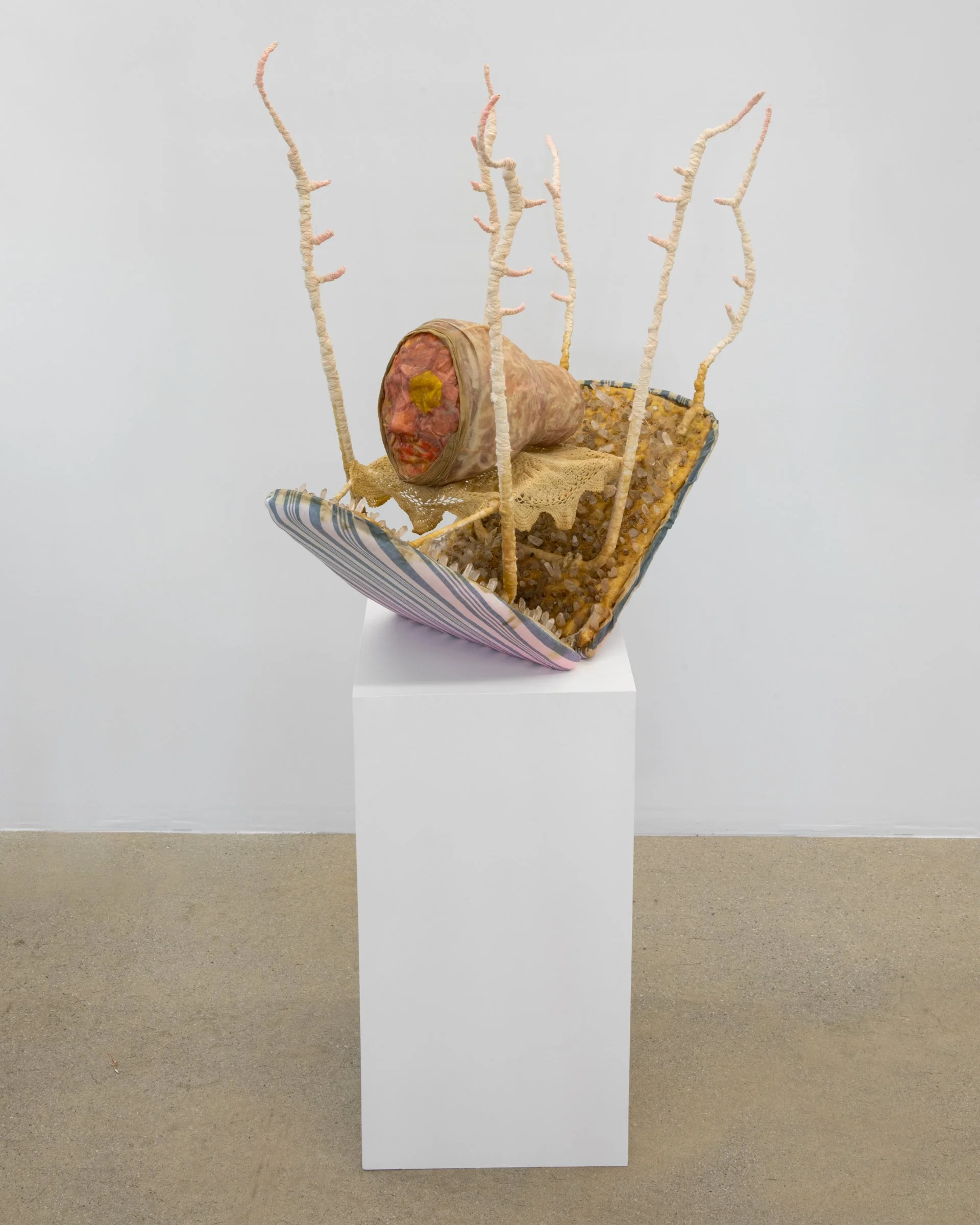
If the law can be effortlessly bent with money and power—then we, as working class people, need to imagine new ways of subterfuge. BLUE COLLAR CRIME presents 25 artists whose works exemplify working class solidarity by wielding humor, invention, pleasure, and irreverence in the face of instability. This exhibition is borne out of a recognition that white collar crime has produced an increasingly precarious world with which our only response can be blue collar crime. Corporate interests operate by a different set of rules, and profit at the expense of our collective well being. Private industry refuses to contribute their share of taxes while destroying the environment, stagnating wages, and monopolizing business. BLUE COLLAR CRIME distinguishes itself from the existing connotations of blue-collar crime as less sophisticated or [read more]
1.24.26
SIKE!
Joseph Sherman
Opening:
Saturday, January 24, 2026
Artist Conversation:
Thursday, February 12, 2026
Community Feed:
Saturday, March 7, 2026
-
Joseph Sherman is a Los Angeles-based artist, photographer, and creative director whose work moves between fine art, sports, and contemporary culture. His career spans collaborations with the National Basketball Association, Los Angeles Lakers, SLAM Magazine, Complex, and other leading cultural organizations.
Sherman holds an MFA in Fine Arts from Otis College of Art and Design. His work has been exhibited throughout Los Angeles, including at SoFi Stadium, Residency Art Gallery, Praz-Delavallade, Bolsky Gallery, and DMST Atelier. Drawing from photography, basketball, and the visual language of popular culture, Sherman brings together a career built inside culture with a fine art practice that looks critically at the images, objects, and ideas that shape it.
-
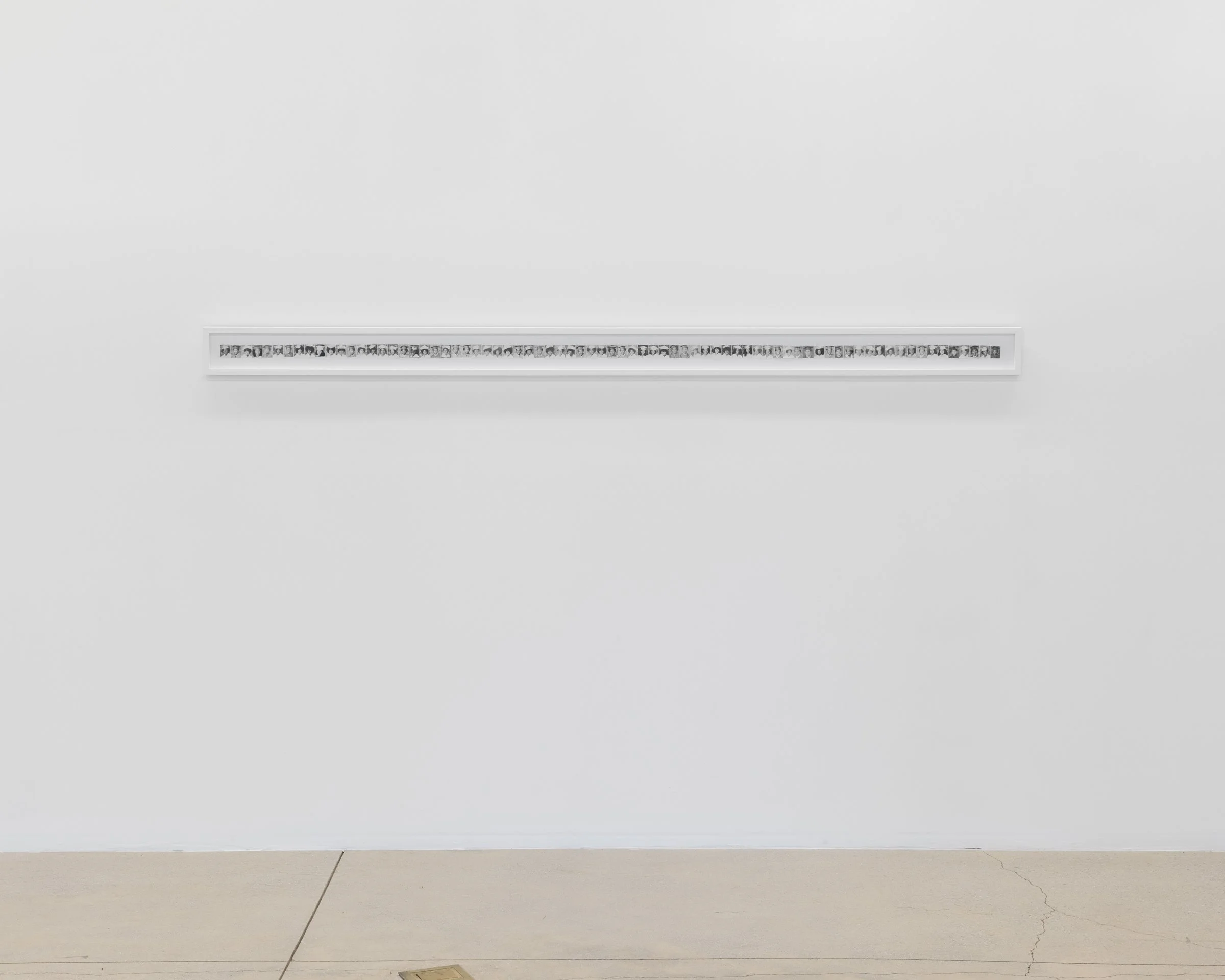
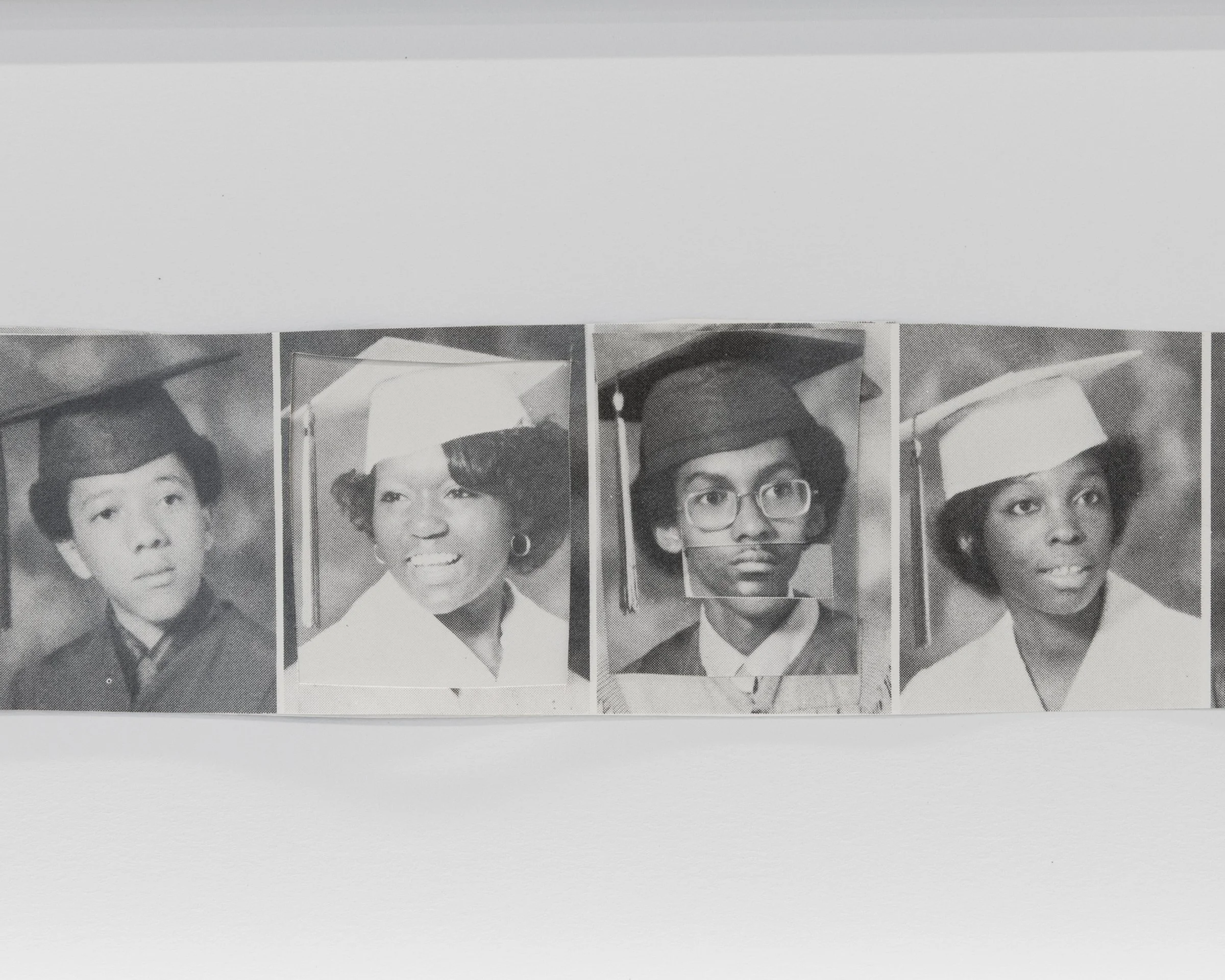
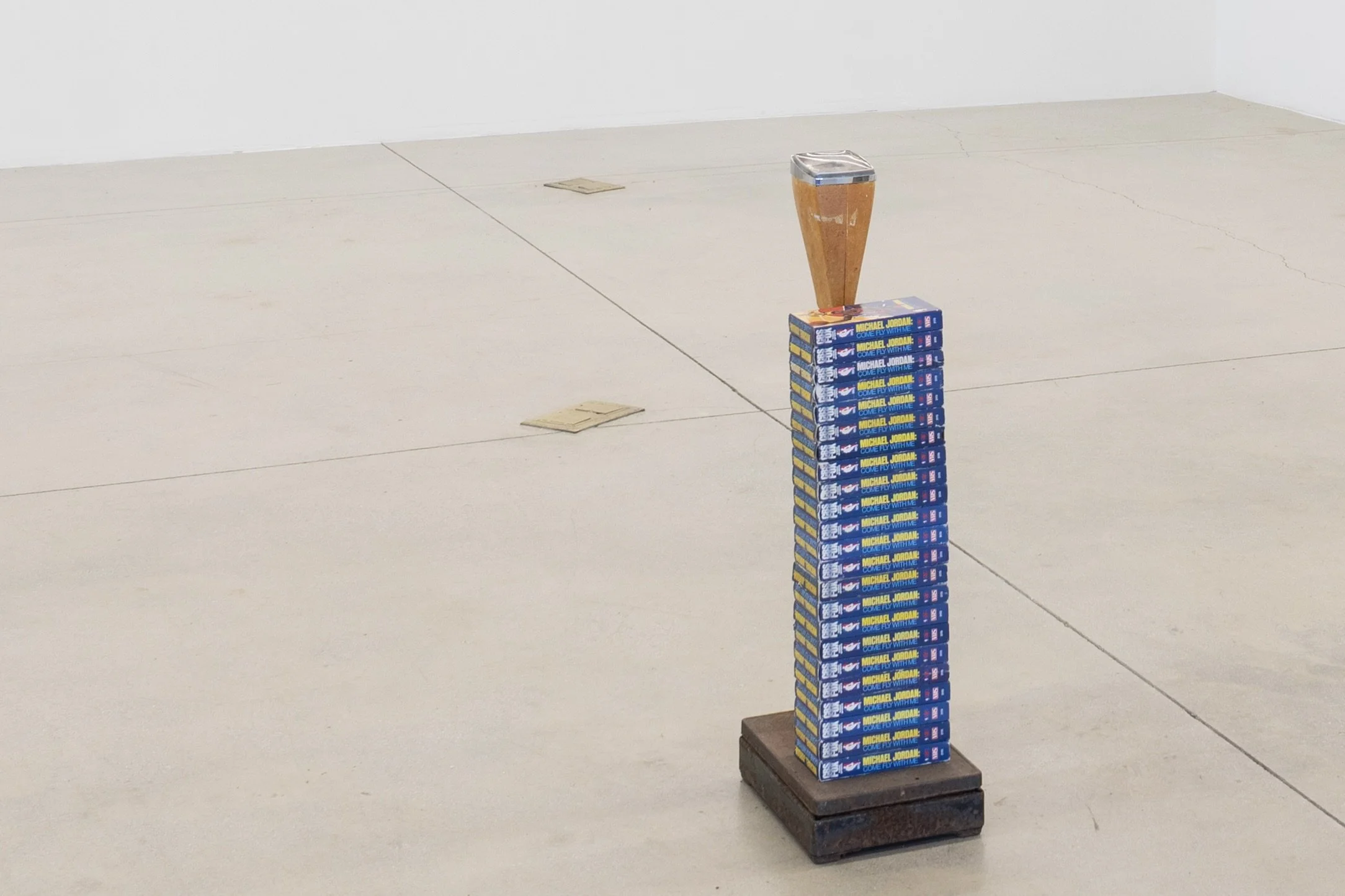
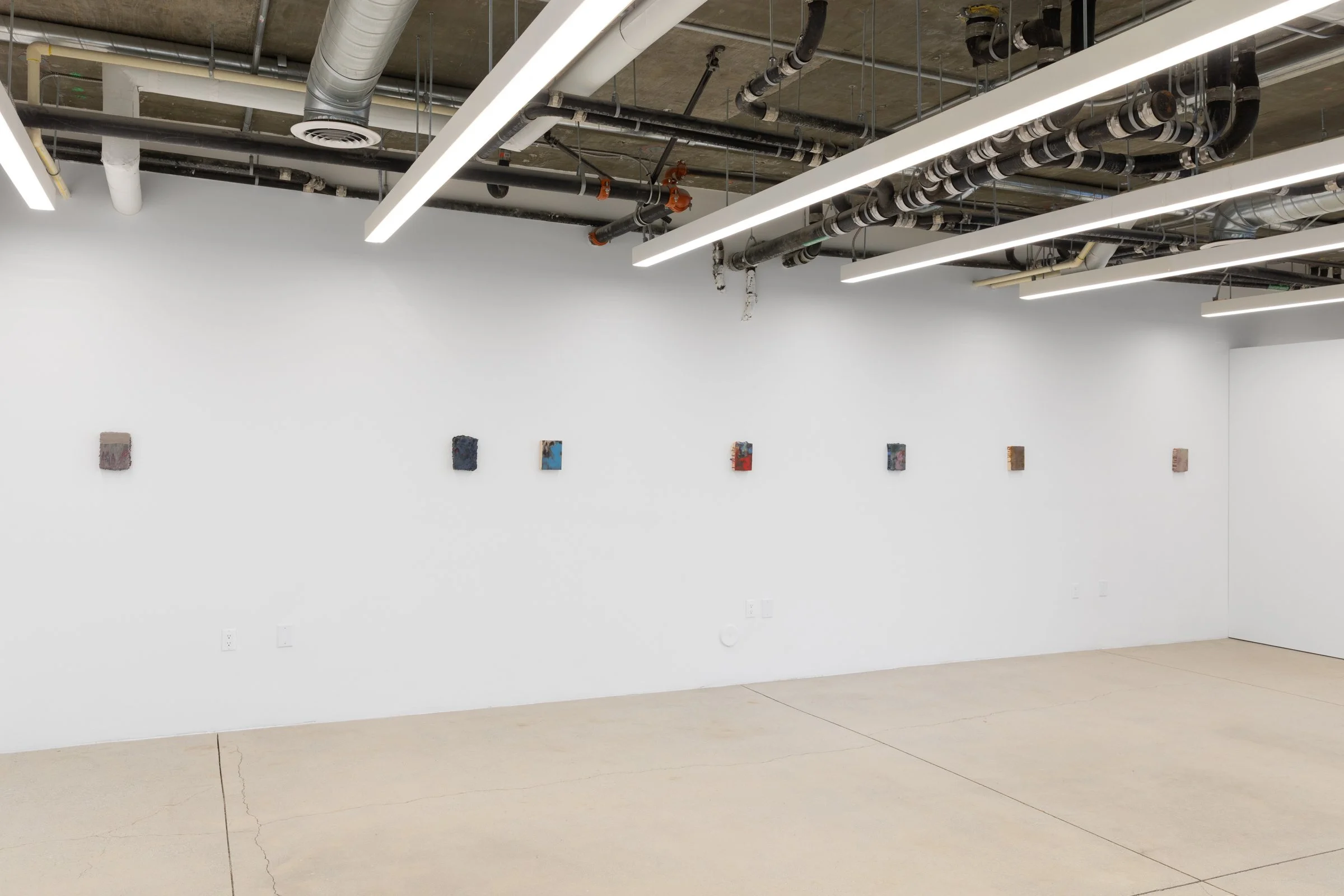
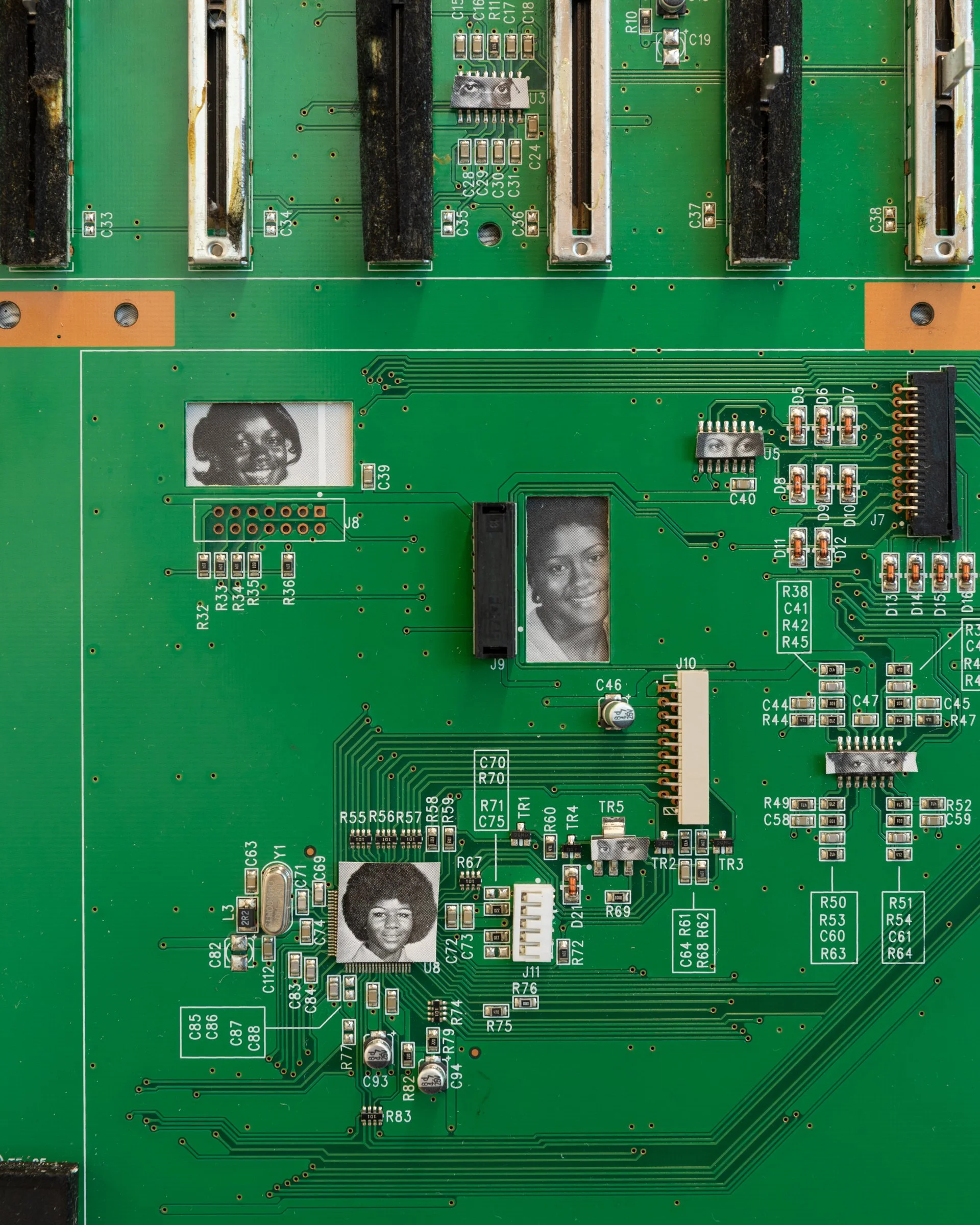
SIKE! is a presentation of new work by American artist Joseph Sherman. The exhibition features collages, encaustic paintings, and a sculptural piece. Together, the artworks reflect Joseph’s current interests in repetition, labor, and materiality. This collective body of work was produced during his 2025–26 artist residency with DMST Atelier in Los Angeles. The exhibition’s title comes from the slang word “sike,” commonly used during Joseph’s childhood growing up in Illinois. It’s something said immediately after making a statement to take it back at the last second. An expectation is established, then undone. This exhibition adopts the word not just as a title but as a way of thinking about how the work is seen. SIKE! sets up moments of belief that are later reversed through closer looking and interaction with the works. The first body of work featured in SIKE! consists of collages built from yearbook photographs sourced from local schools in Los Angeles, alongside a single yearbook from Bloom Trail High School, which both of Joseph’s parents attended. Here, Joseph continues his ongoing engagement with appropriated imagery where his interests are anchored on the assumed flatness of photographs and the way images are often read as fixed, surface-level objects, both visually and materially. Beginning with the rigid order of the yearbook, Joseph treats the grid not as a neutral organizer but as a material to be handled, disrupted, and rebuilt. By cutting into and reworking that grid, the photograph is pushed beyond representation and begins to register as an object with depth, weight, and structure. What appears orderly at first slowly gives way to instability, asking the viewer to reconsider how images are read and how meaning is constructed through repetition and form. During his residency with DMST, Joseph began working in encaustic, an ancient process that prioritizes improvisation, attunement, and endurance. The paintings begin from familiar structures such as sport architecture, court markings, and numbering systems.Through repeated layering and fusing of pigmented wax under heat, these forms gradually transform into new realities that remain dependent on their origins while moving away from them. The works are deliberately small in size. At this scale, the paintings produce a slow spectacle, shifting attention from immediate impact toward accumulation, depth, and time within the shared space of the densely populated collages. In these spontaneous and impulsive encaustics, Joseph shapes and fuses layers of pigmented wax until an image emerges through sustained engagement with the encaustic medium. Joseph’s conceptual Venn diagram of athletic culture and fine art is visible in SIKE! and serves as an organizing principle for the exhibition. This relationship is epitomized in Single File Line, a narrow, eight-foot-long collage that functions as Joseph’s formal ode to Robert Rauschenberg’s Automobile Tire Print and Michael Jordan’s iconic 1987 Wingspan poster. The length of the work references the wingspan of professional basketball player Victor Wembanyama, a measurement that has become a point of contemporary fascination. Throughout the exhibition, sport appears not as subject matter but as a parallel structure of repetition, pace, and calibration.
12.22.25
Nothing’s True Forever
Duo Exhibition
Opening:
Saturday, November 22, 2026
Artist Conversation:
Saturday, December 20, 2026
Community Feed:
Saturday, December 13, 2026
-
Jon Pylypchuk
Reinhart Revilla Selvik
-
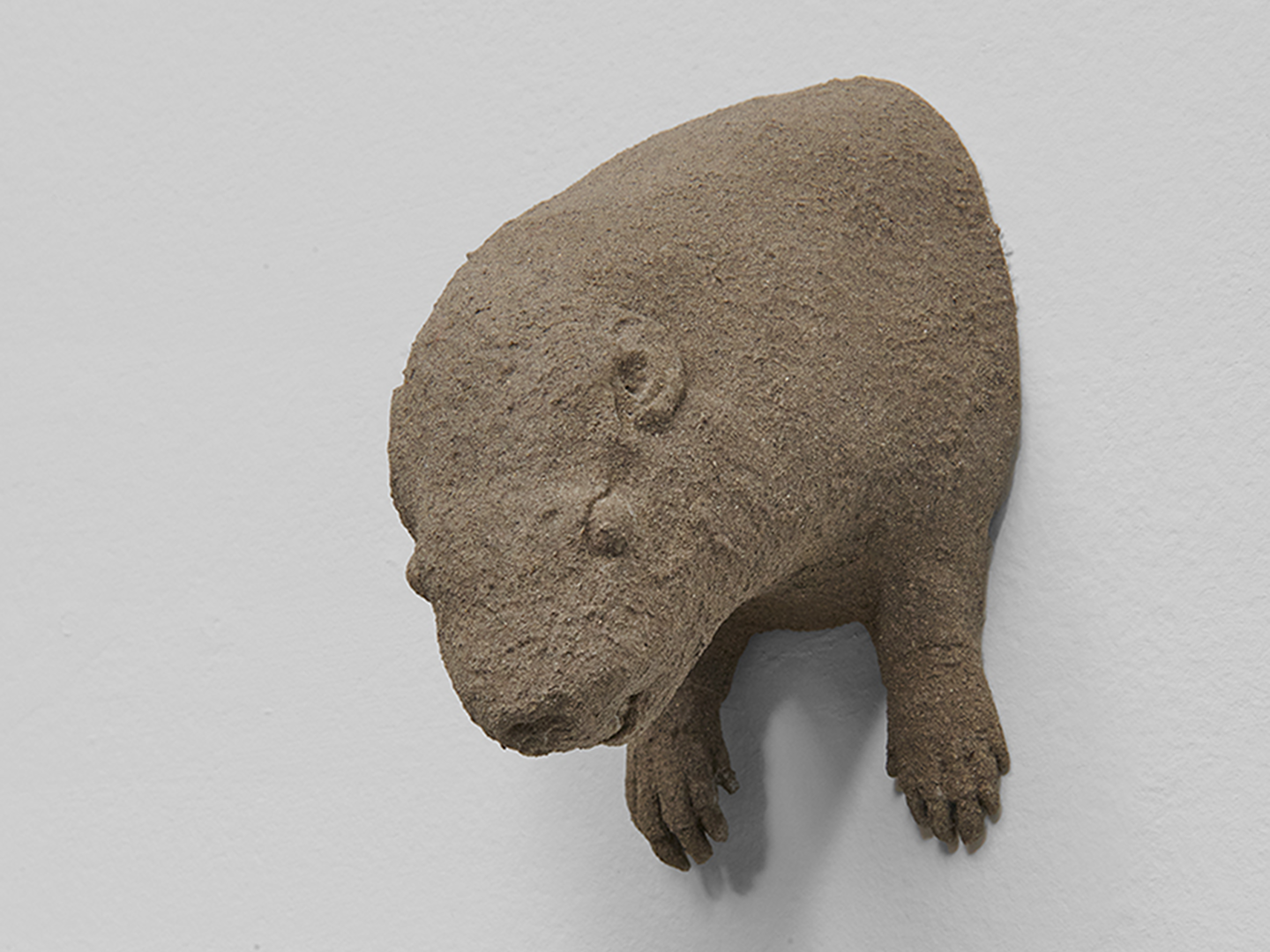
Nothing’s True Forever, a two-person exhibition featuring the multidisciplinary practices of Jon Pylypchuk and Reinhart Revilla Selvik, is an exploration of the embodied architectures around memory (individual and collective), loss, and the collapsing into identity.
Memory is beyond the individual — when bodies and consciousness are entangled into the fabric of a city and each other — memory moves through the passenger, through things, a magnetism of unfinished feeling, a shared ache that demands witness. In this exhibition, Pylypchuk and Selvik’s works build a landscape where individual memories, reworked and coalesced, are entangled in playful relationships of witnessing.
There are events that arrive too soon to be felt, and so they live on, not in time, but in the trembling between moments–that slippery space between the action of daily consciousness. With the paradox of loss (of a person, place, or thing), meaning remains (in the shadow of what was) even when that thing is absent. The past leans forward, pressing against the present, an imprint pressed into the surface.
In Selvik’s practice, the memory returns with its own agency, an insistence that resists translation. Built and discovered as an accumulation of embodied gestures on the surface of the painting, remembrance and allegory take shape into a recognizable architecture, often dramatic scores of lived reality. Power dynamics and tender memories are conveyed within active relationships at the intersection of the individual and community. His multi-disciplinary process remains grounded in site-specific explorations of urban landscapes, especially those rooted in peripheral perspectives. The tension between the vast scale of a city can exist within the soft space of a mind. What happens when a place of memory no longer exists in a physical location?
When nothing is lost, everything is transformed. This building phrase consoles in the context of mourning and grief in Pylypchuk’s work. What disappears from our plane only shifts form, energy, and presence. Memory is the medium of that transformation contained within the physical boundaries of simple materials (a purse, a bowling ball, buckets, polyurethane foam, etc.) that Pylypchuk assembles into choreographies of figuration. Jon suggests a moment where loss continues to be woven into the fabric of becoming, echoing, and haunting yet ever watching the story unfold. Often, his characters draw upon the animal world to explore the frailty of human existence and social relationships, in this case everyday objects are anthropomorphized trusting their existence among ours.
Pylypchuk and Selvik's works encode the visual and psychological imprints of the modern metropolis—its fleeting moments, its persistent echoes — present and pervasive, while sometimes ignored. Nothing’s True Forever, interfolds the essence of each artist's practice, manifesting the signature of consciousness into the humorous, livable, and ultimately tangible.
10.04.25
Tender Material
Duo Exhibition
Opening:
Saturday, October 4, 5-8 PM
Community Feed:
Saturday, November 8
-
Frannie Hemmelgarn
Kim Garcia
-
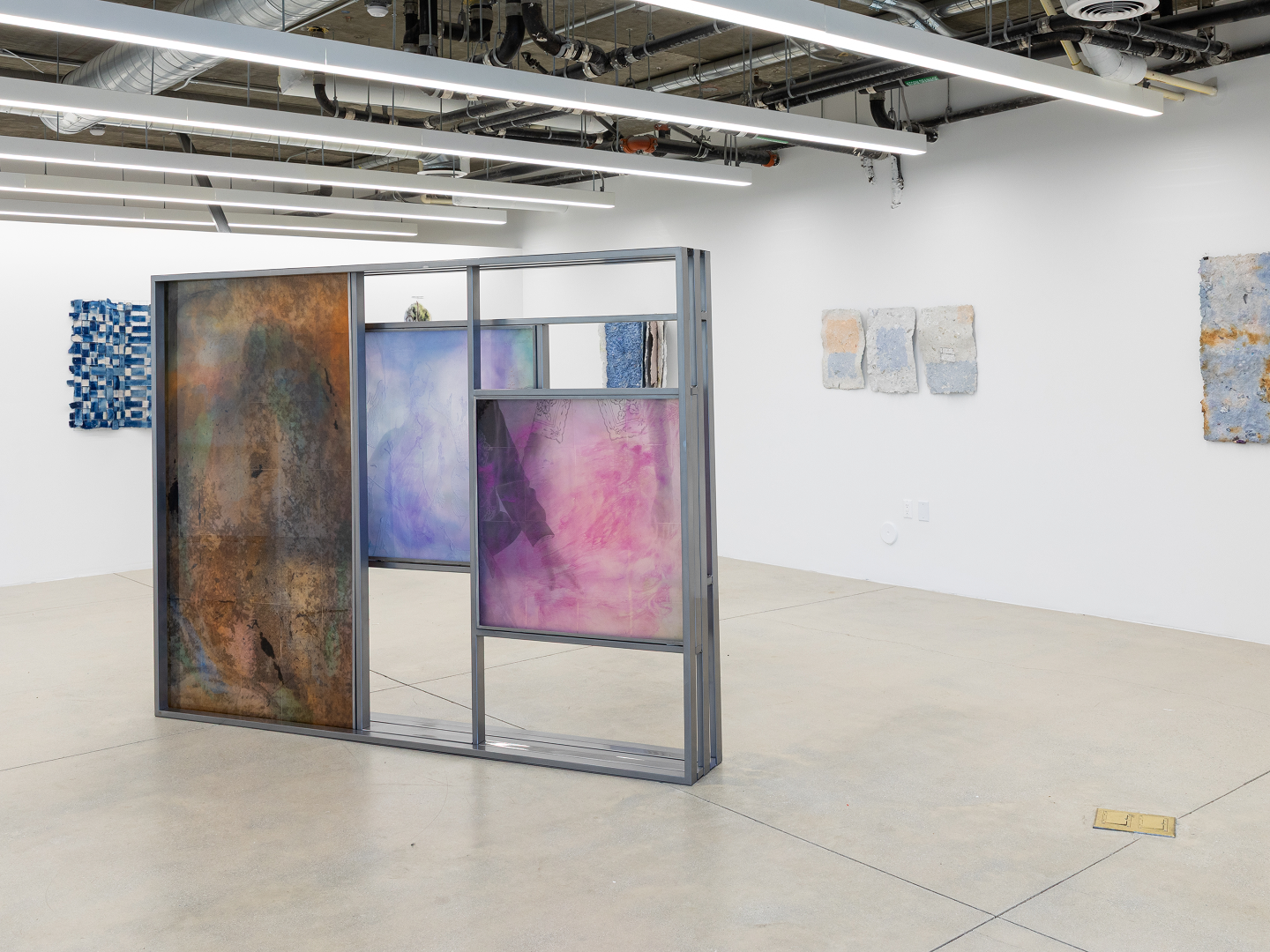
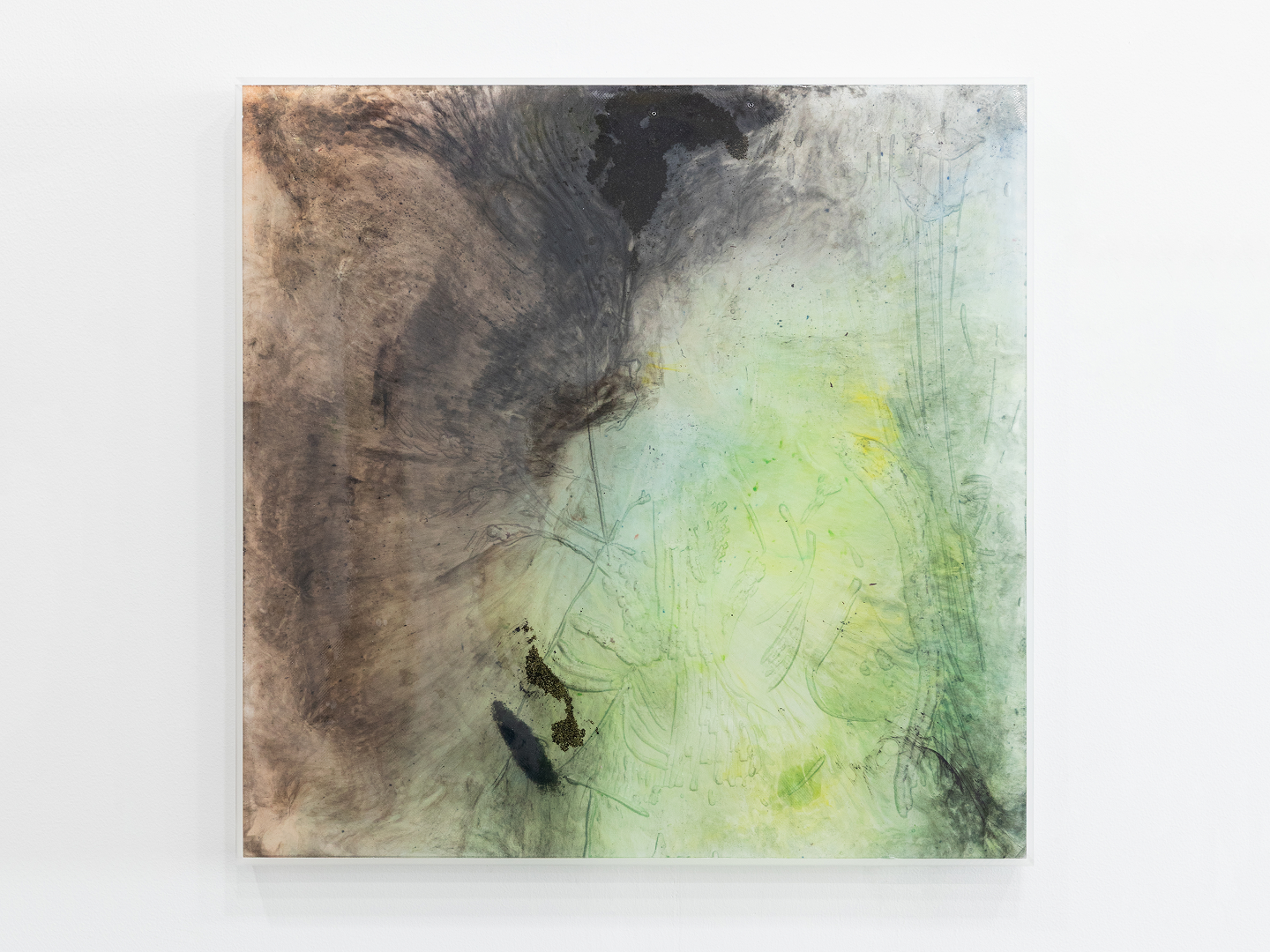
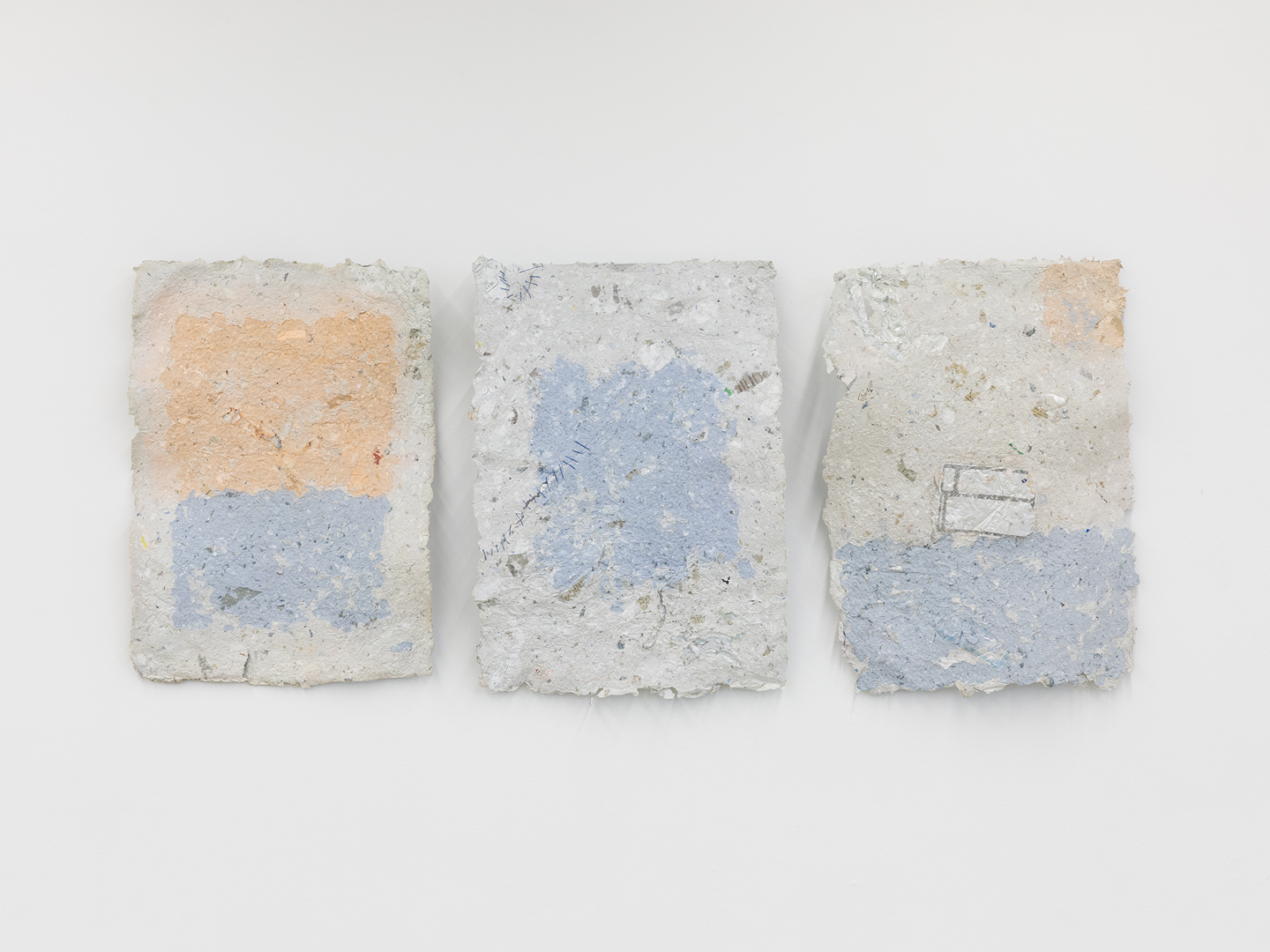
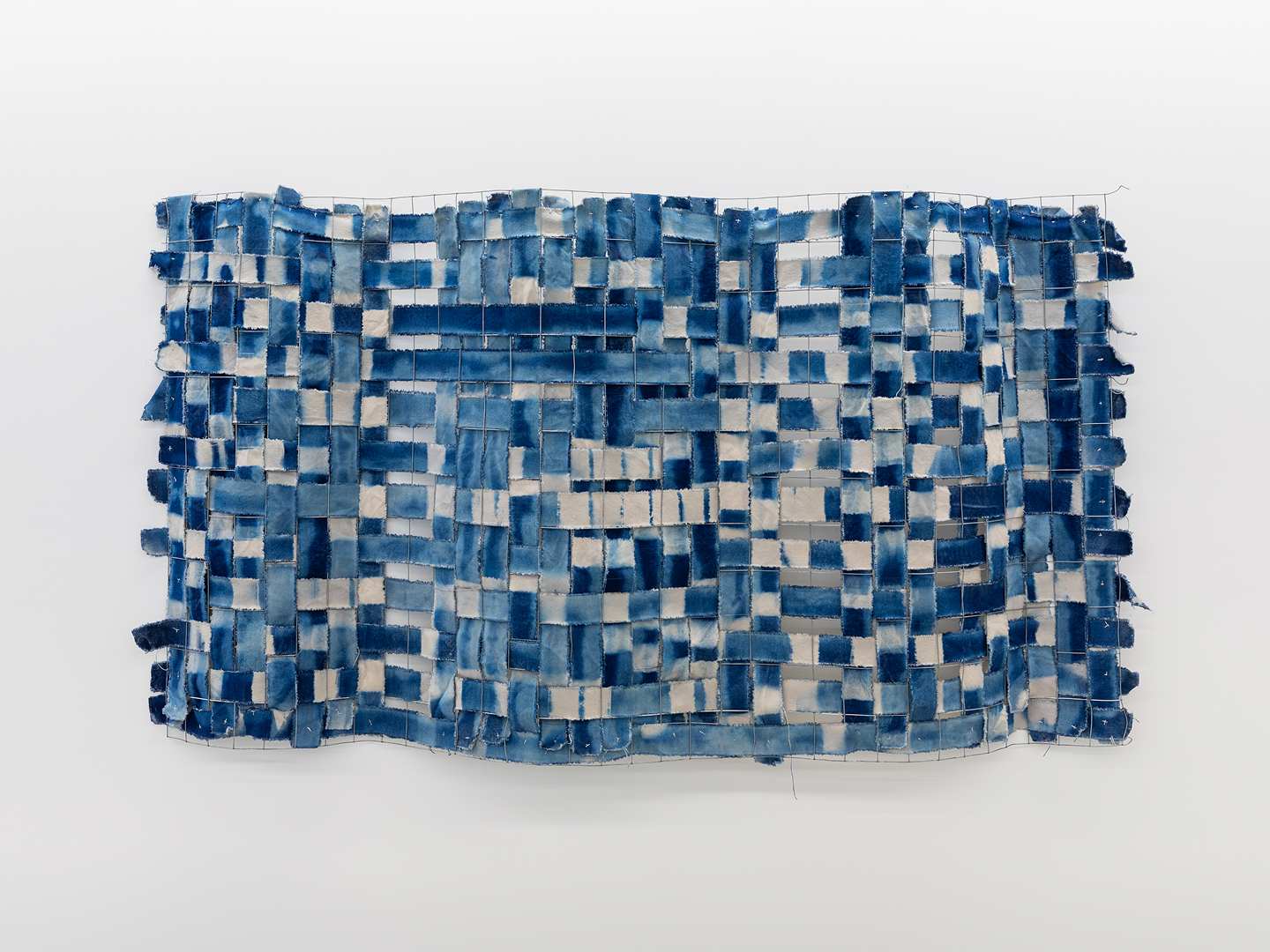
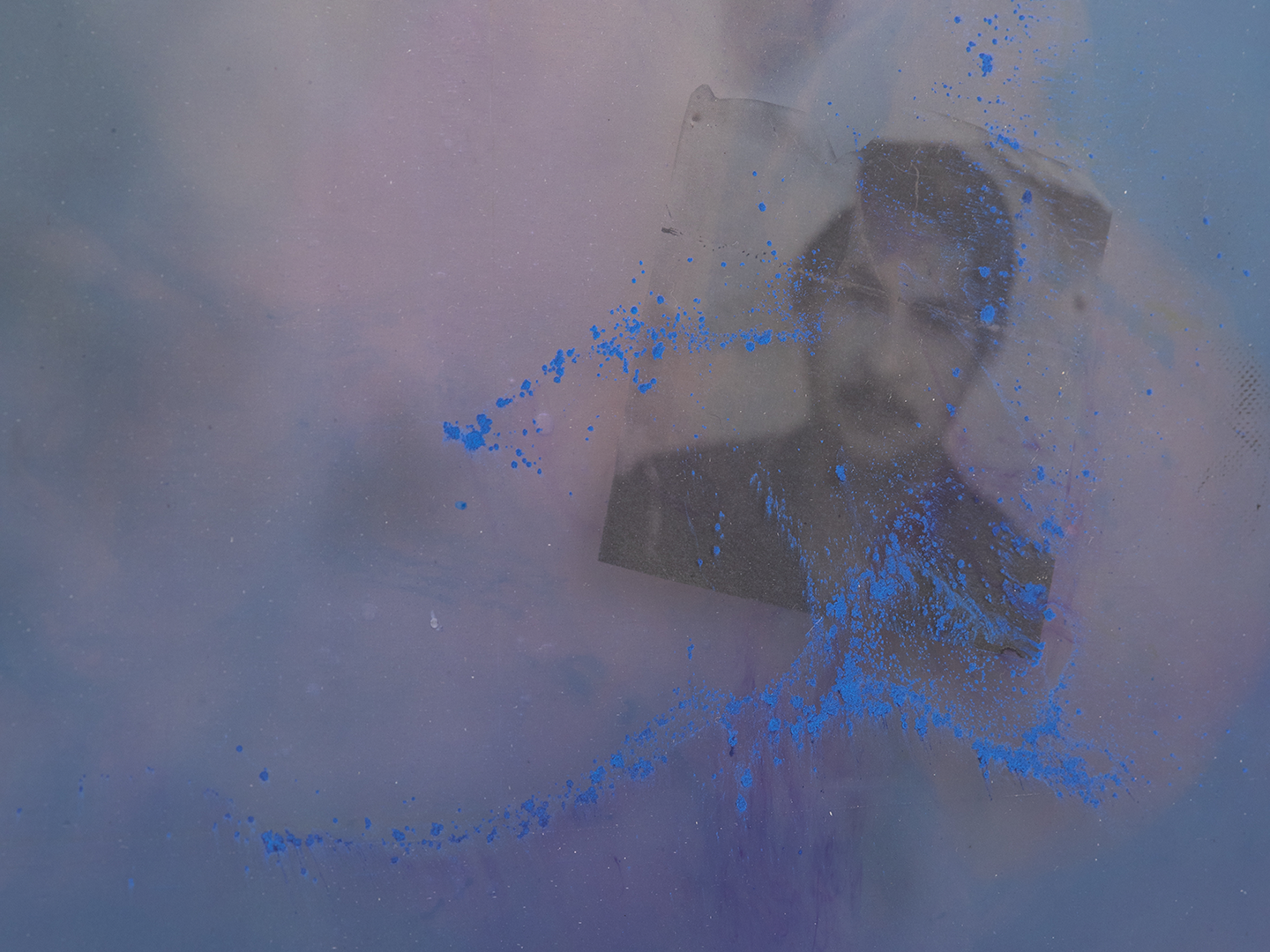
Tender Material, a two-person exhibition featuring the multidisciplinary practices of Kim Garcia and Frannie Hemmelgarn, is an exploration of memory, grief, and repair through sculpture, works on paper, and mixed-media installation. The exhibition brings together resin, paper, and personal objects transformed into fragile yet enduring forms that reconcile loss, express longing, and attempt to remember, understand, and mend complicated relationships.
The artists begin with precious matter: family photographs both old and recent, daily scribbles, schedules, to-do lists, and fragments of poetry. Each carries the weight of their fathers’ lives: one father grasping for what drifts away, the other suddenly gone.
Garcia and Hemmelgarn treat these found and researched remnants as ingredients, subjecting them to acts of tracing and retracing, pressing and submerging, tearing, binding, weaving, and reweaving. Through these gestures, material becomes feeling; the past merges with the present.
Garcia’s resin works are hazy, mirroring “the experience of reaching for memories that are slipping away, like watching my father search for what he can no longer fully hold.” Hemmelgarn’s paper works convey fragility, care, and repair. Words peek out from torn edges, and rips are sewn back together. “The process of making these works was a reminder to make my grief active, a way to take my dad along for a ride, even in his death.”
Material objects like grids, frames, chicken wire, stucco trim, and resin, designed to contain, support, archive, and protect, become necessary frameworks. These structures act as safety nets that allow the artists to approach the unknown without being consumed by it.
Both Garcia and Hemmelgarn have created their own worlds within which they do the work of engaging in grief and remembering. Tender Material reveals how the sturdy can hold the tender, and how ritual transforms remnants into poetic gestures of understanding and care.
6.19.25
Free & Abstract
Group Exhibition
Opening:
Thursday, June 19, 2025
Mid-City Arts & Music Festival:
Saturday, June 28, 2025
Community Feed:
Saturday, August 2nd, 2025
-
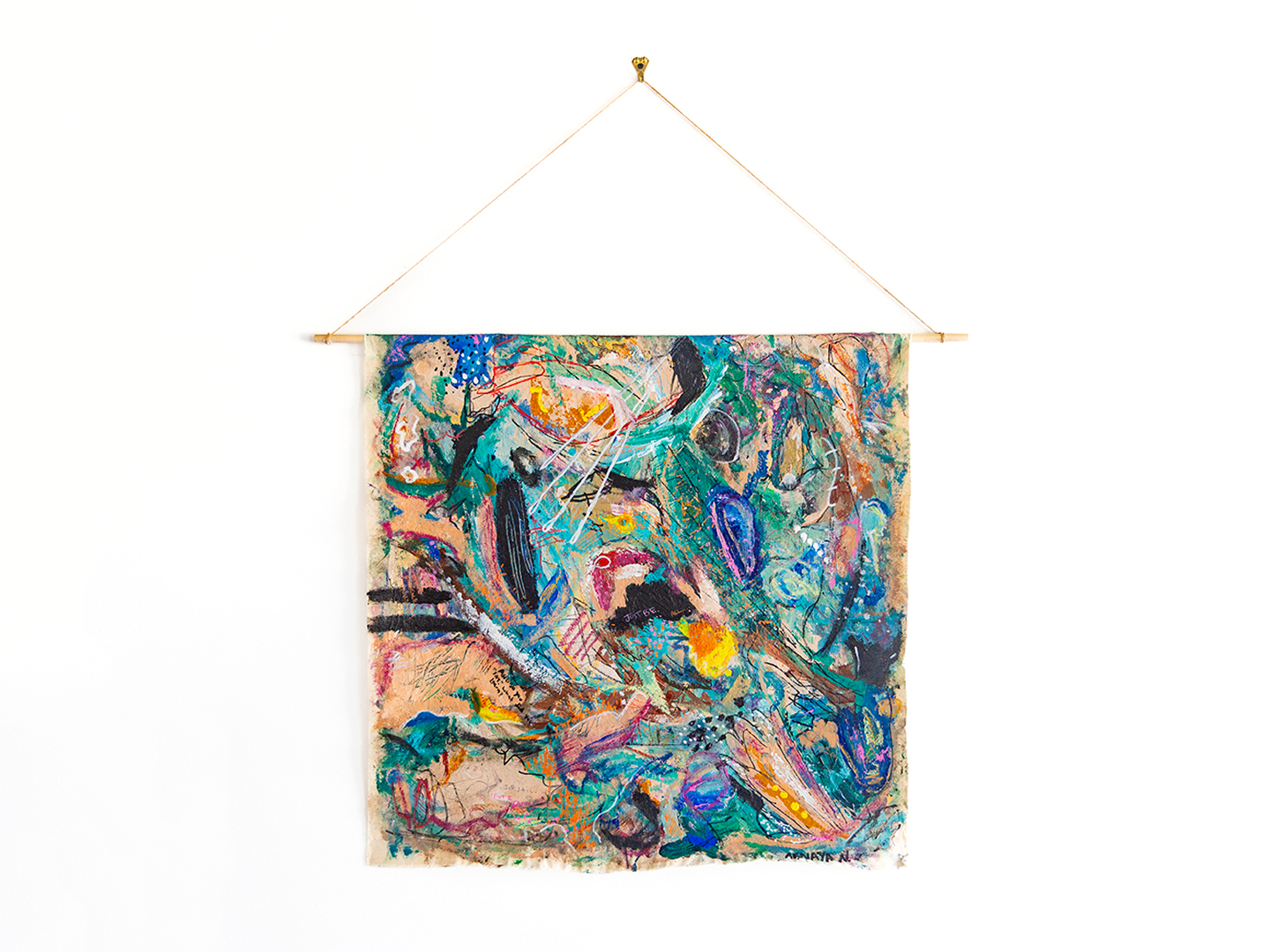
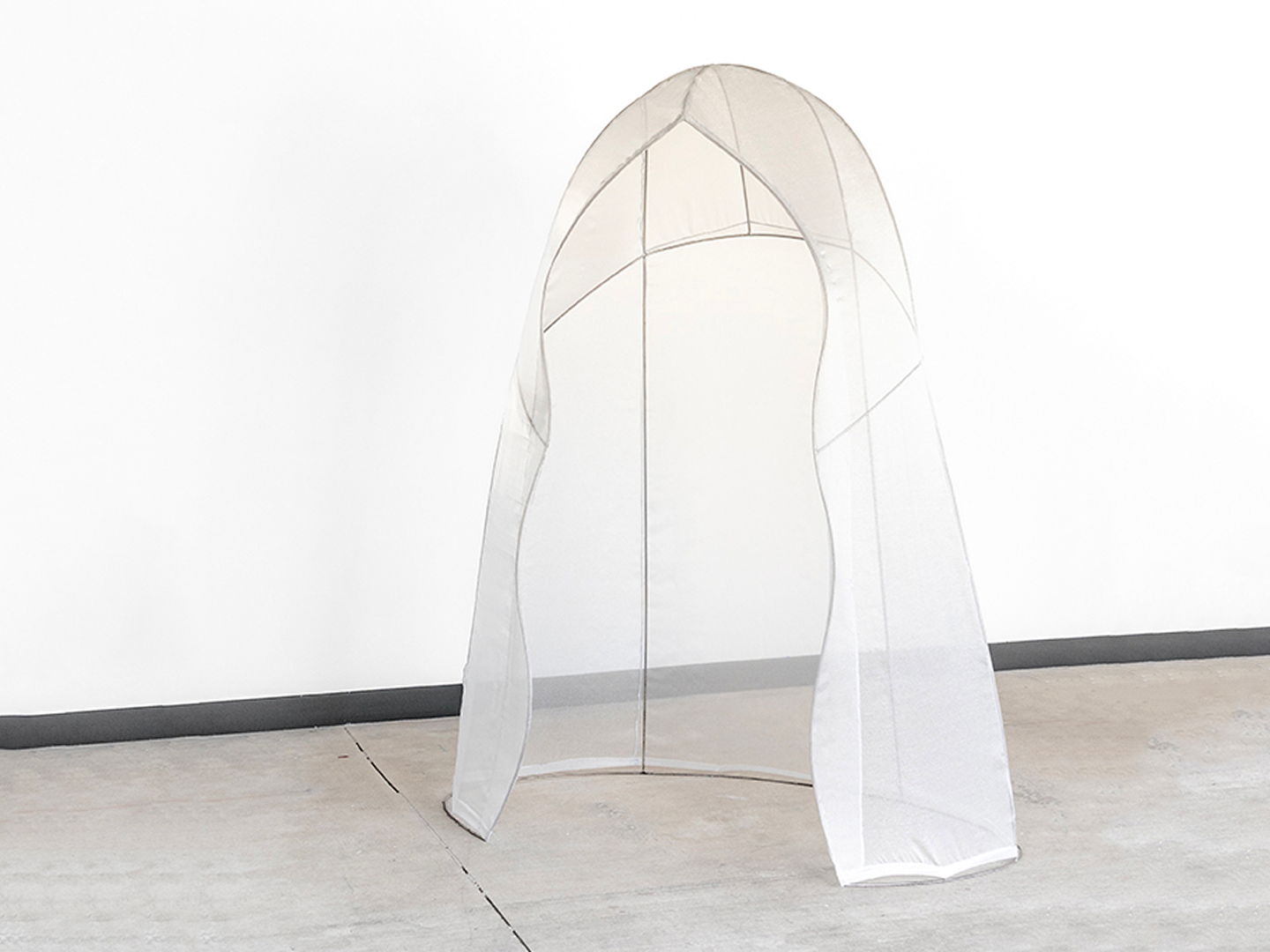
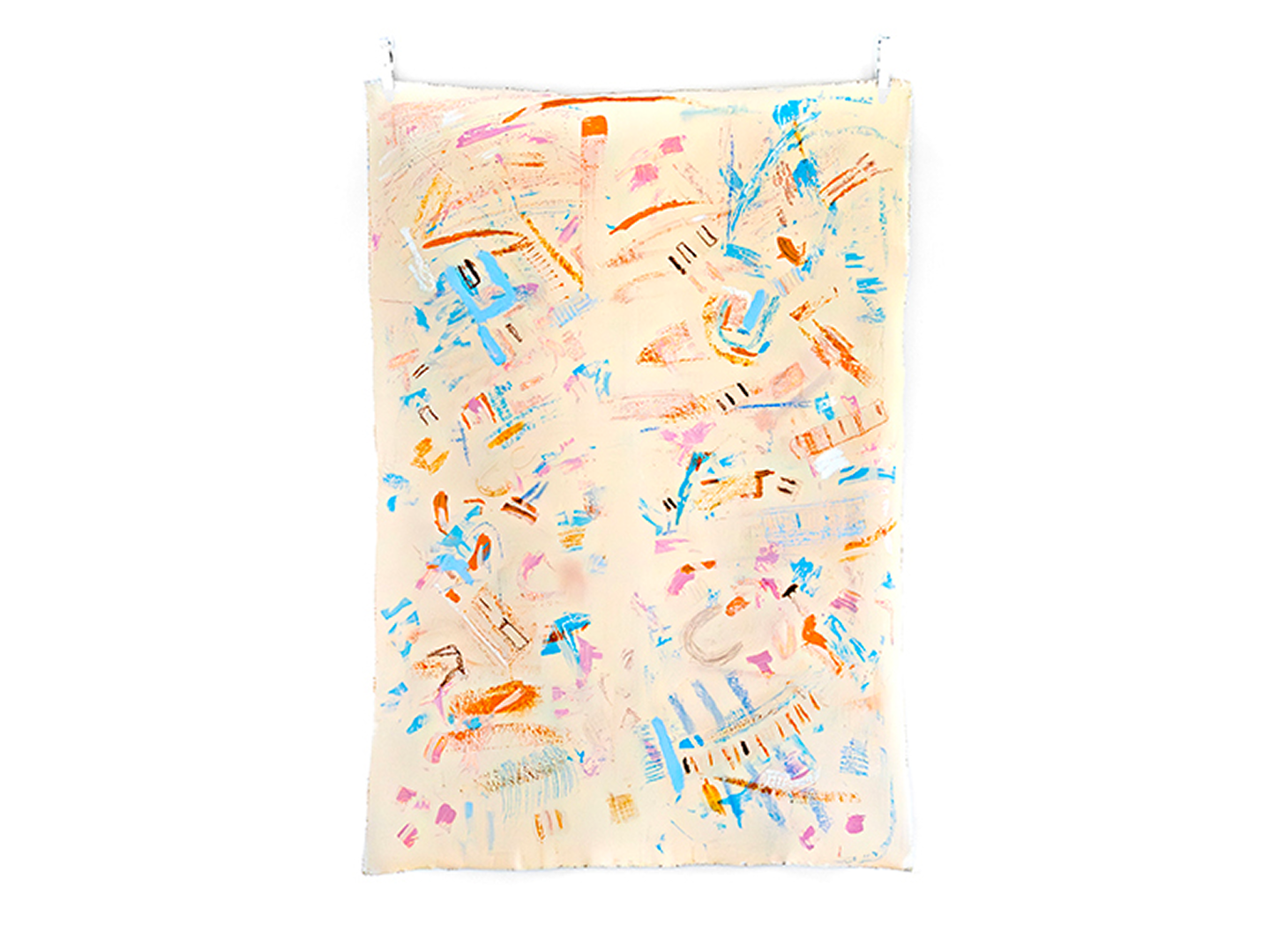
Amanda Flowers, Arnaya Needleman, John French, Hope Okere, Marantz Moon, Maya June, Sydneé Bethel
-
Maya June Mansour
Juneteenth, 2025
In the Summer of 2019 I worked as a swim teacher at a YMCA on the South Side of Chicago. I worked with children between the ages four and seven teaching them how to swim. One of the first exercises that we would do with the kids would be having them put their face in the water and blow bubbles so they could get comfortable with the sensation of breathing out of their nose while underwater. Inevitably there would be at least one kid who would start to freak out about their idea of putting their face under water because they were scared. They would say “I don’t want to blow bubbles” in such a distressed tone that it really alarmed me on my first day of the job. I would watch in awe as the more seasoned instructors who had put in many more summers than me would gently yet firmly remind the panicked kids about all the adults that were there to keep them safe and that “sometimes you have to do things you don’t want to do.” They would hold them in the water and eventually coax them to get their face wet and blow bubbles. It was like magic the way my coworkers would turn our student’s fear into comfort in a matter of minutes. Then, they would turn to me and remind me that swimming is a “life saving skill” that these kids' parents were paying us to teach them, and we couldn’t let them leave without at least trying to blow bubbles. That same summer, I also happened to read the book Asking Questions: A Challenge to Fundamentalism by Bahíyyih Nakhjavání. In this book, Nakhjavání presents the idea that humanity is “collectively emerging from a period of adolescence.” Because of this stage in our development, she claims that we must be cognizant of the limitations of our adolescent definitions for concepts like “freedom” and “justice,” and in that cognizance we should push ourselves to develop more mature definitions of these words as our society advances. When thinking about how we define freedom in our period of collective adolescence, I immediately thought of the kids in my swim classes who didn’t want to blow bubbles. When our notion of freedom is that it allows people to “do or say whatever they want,” the crying child that doesn’t want to go to bubbles doesn’t learn how to swim because their “freedom” to abstain from blowing bubbles is respected over the greater goal of them learning how to swim. But, as my coworkers pointed out to me, sometimes you have to do things you don’t want to do in a protected setting for the sake of learning something that could save your life down the road. In Asking Questions: A Challenge to Fundamentalism, Bahíyyih Nakhjavání asserts that freedom can’t exist without parameters like this. She imagines an idea of freedom that acknowledges that we are all beholden to each other, where interconnectedness is not a side-effect of collective freedom, but a function of it- a safeguard. Rather than “being able to do whatever we want,” we evolve to actually want to do what we can for the sake of the collective. Today, it’s Summer 2025 and it has been six years since I worked as a swim teacher at that YMCA on the South Side of Chicago. Every year, I revisit Nakhjavání’s musings on freedom and every year, I am reminded of our society’s adolescence. I take time to sit with the dissonance of being told that I have immense freedom because I live in this country, a place where I’m treated like a second class citizen because of my Blackness. In this country, the price of that “freedom” is that my tax dollars fund holocaust, genocide and war, destroying the lives of millions in Palestine, Iran, Syria, Afghanistan, and so many other countries. I refuse to accept this perverted idea of freedom, that my comfort comes at the cost of another’s wellbeing. On Juneteenth, I like to take a page from the Passover playbook. For me, asking questions about where we’ve been and where we’re going is key component of the annual ritual that Juneteenth offers. I reflect on my lineage as a Black southerner and try, in the spirit of Bahíyyih Nakhjavání, to imagine where we could possibly go from here, as we emerge from our adolescence, and how I can contribute to my global community as we chart our collective freedom. While we celebrate the liberation of our Texan ancestors from chattel slavery (two years after the rest of the country’s enslaved population), I think of Fannie Lou Hamer’s words when she said that “nobody is free until everybody’s free.” In my reflections and imaginings, Juneteenth creates a portal into a new world. In this world, both past and future simultaneously unfold, informing the decisions we make in the present. There, we weigh our actions through the lens of being a good descendant and being a good ancestor. We practice veneration and we tend to planted seeds, not because someone told us to but because it is our way of life. Juneteenth offers us an opportunity to imagine what the whole world could be like if we infused the energy that was released on June 19, 1865 in Galveston, Texas into everything we do.
5.17.25
Crusting
Duo Exhibition
Opening:
Saturday, May 17, 2025
Artist Talk:
Sunday, May 25, 2025
Community Feed:
Saturday, June 7, 2025
-
Cara Rae Joven
Lauren Goldenberg Longoria
Curated by After Hours
( Kim Garcia and Amy MacKay)
-
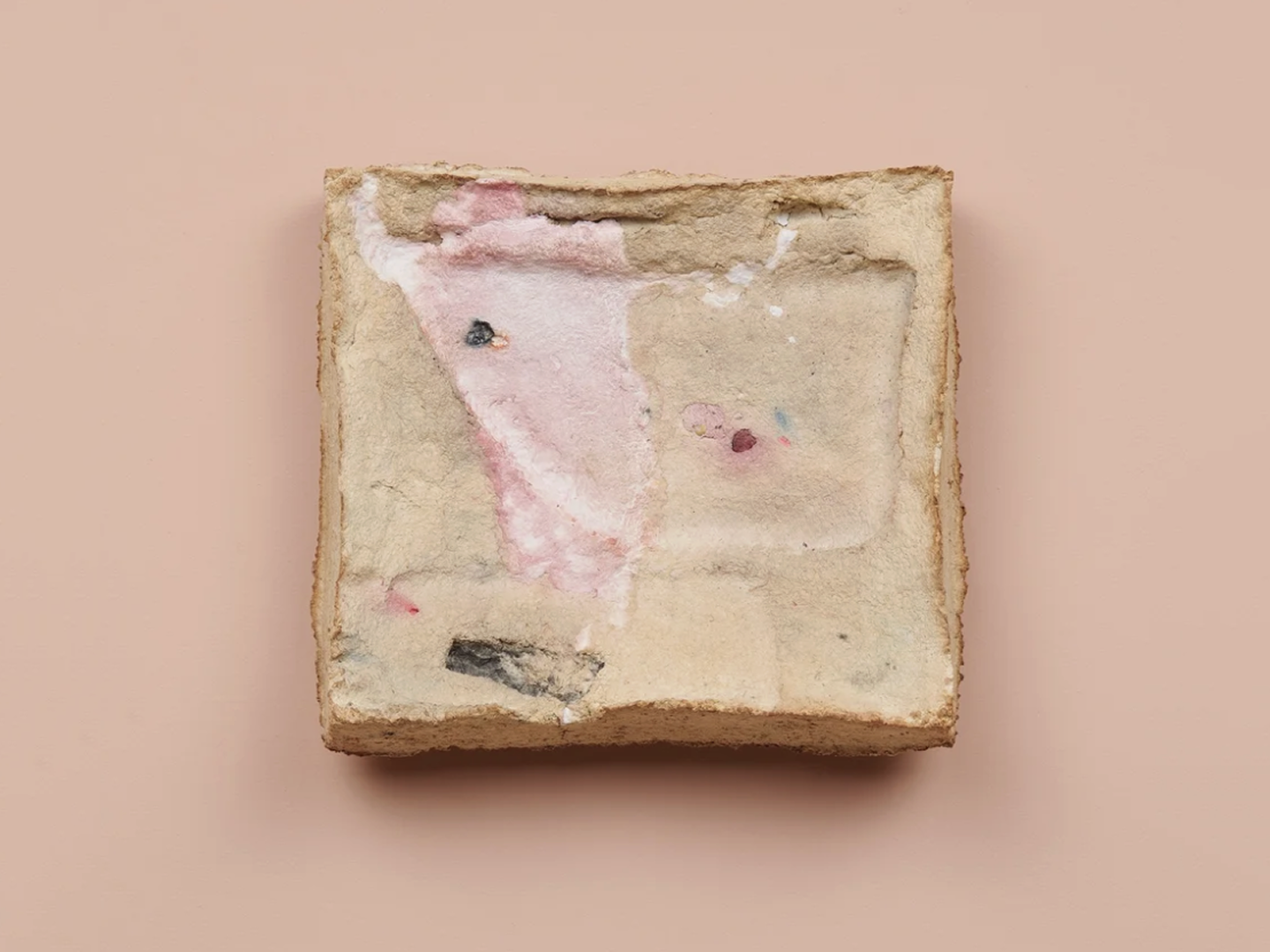
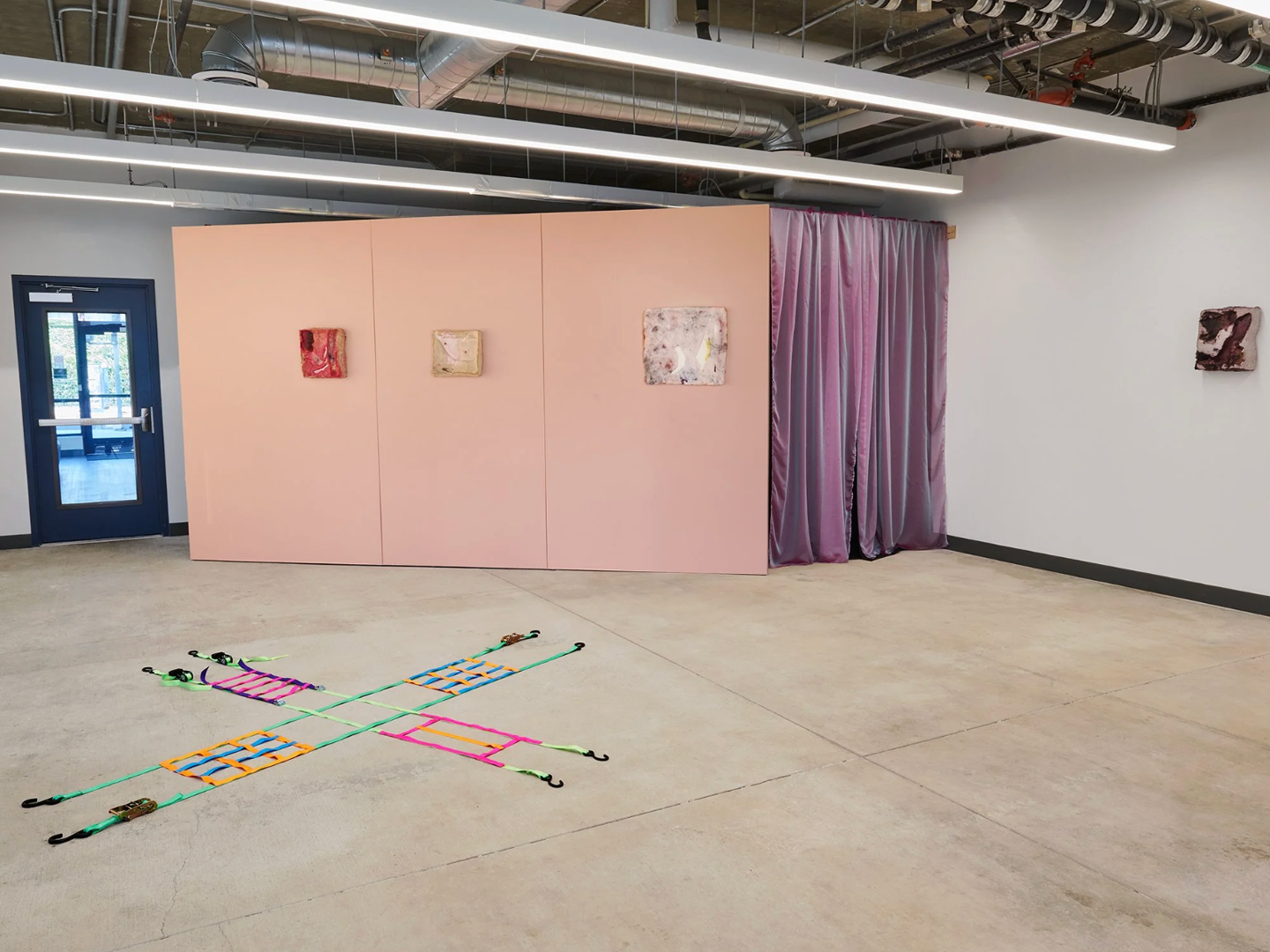
Crusting evokes the moment when fluid meets air, when something begins to settle, rupture, or transform. It is a skin, a residue, a scar. In this two-person exhibition, artists Cara Rae Joven and Lauren Goldenberg Longoria explore the porous boundaries between surface and weight, body and land, beauty and abjection. Across sculpture, performance, video, and paper-based works, the artists investigate how histories are carried, how forms are shaped by time, and how matter remembers.
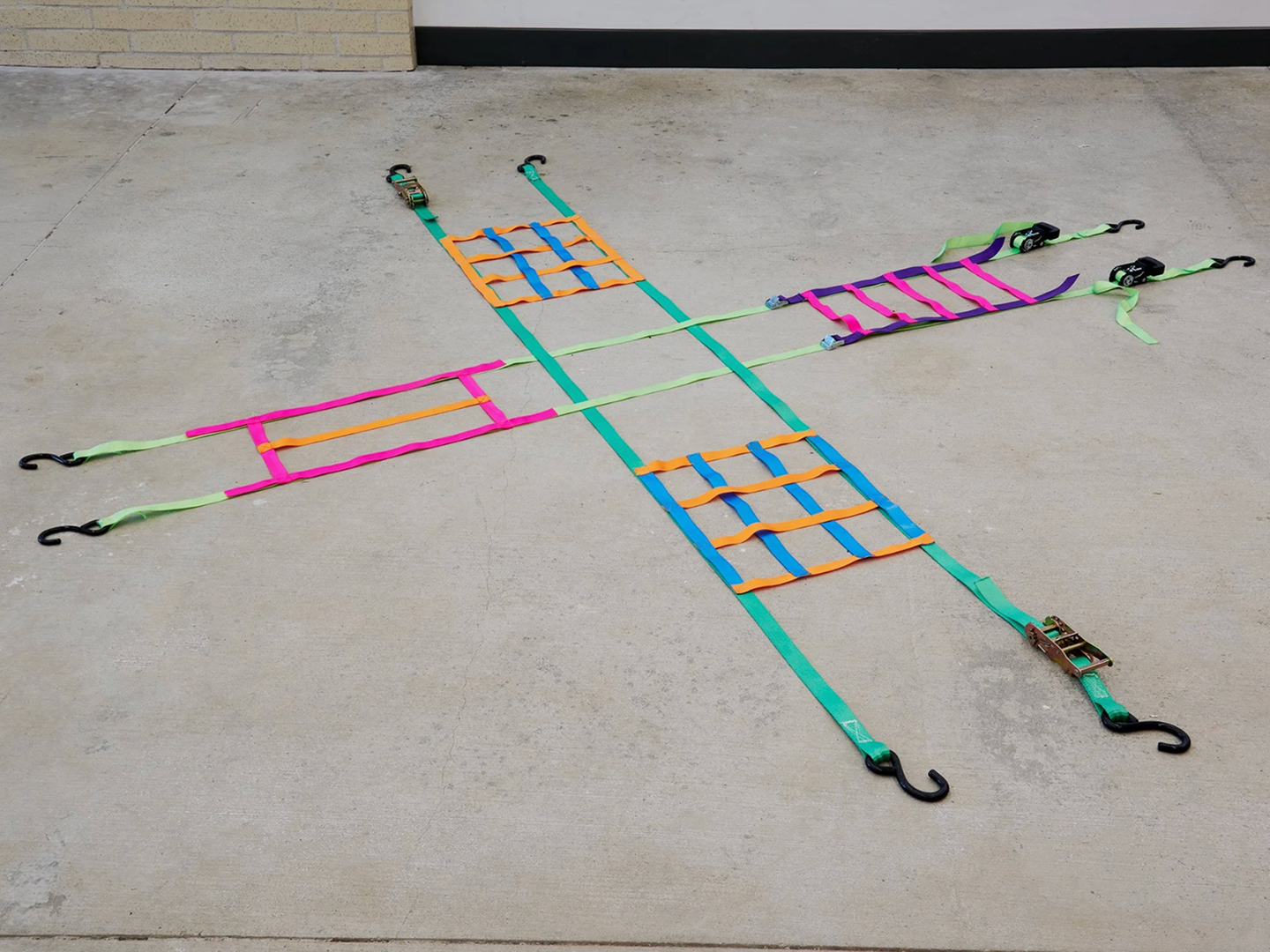
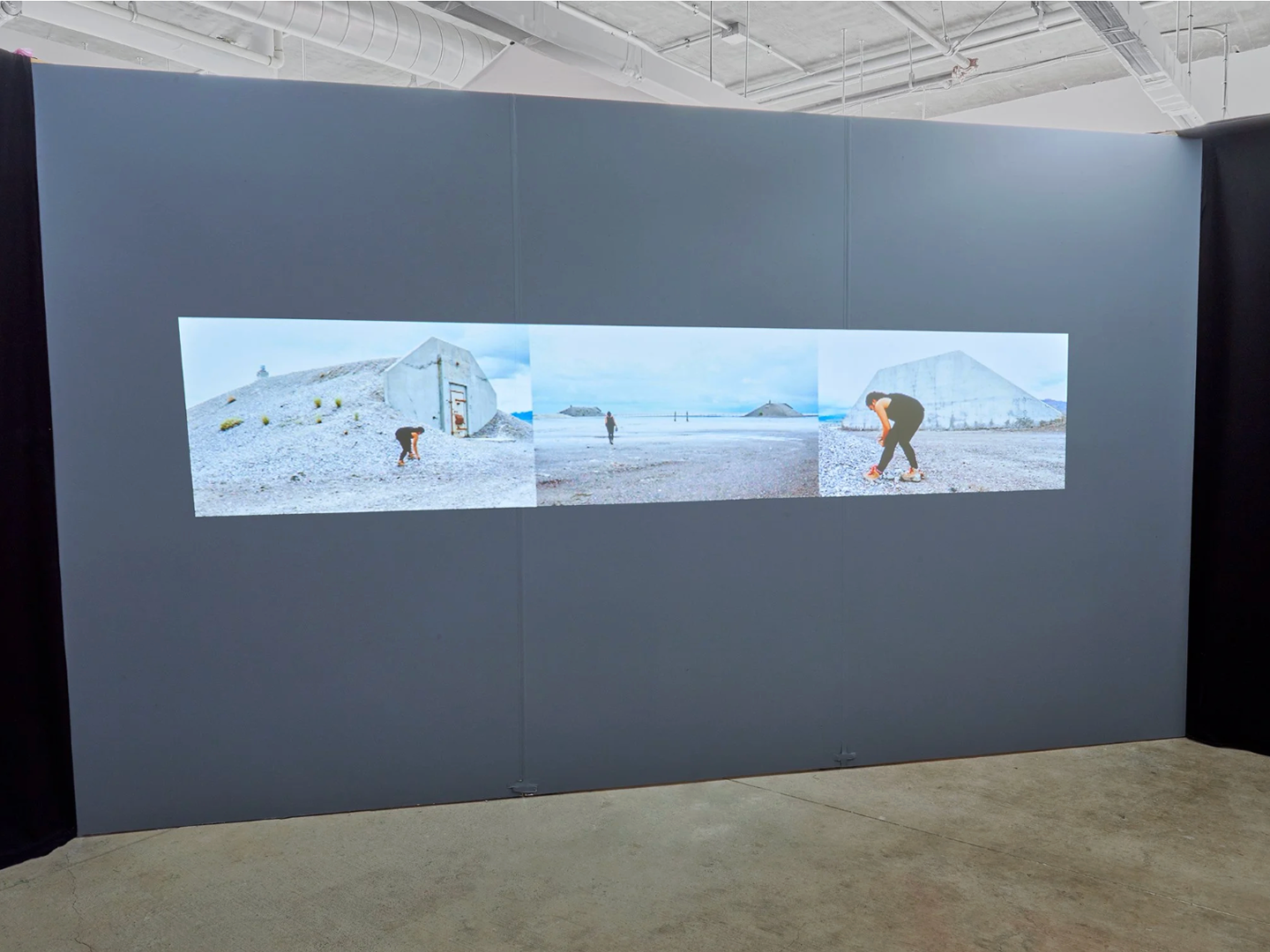
Cara Rae Joven’s practice traces the invisible threads that tether body and landscape. Working across sculpture, performance, and video, she engages with gravitational forces, both literal and historical, that act on materials and memory. In her How To/You Can: video series, she performs subtle, persistent gestures in landscapes marked by cultural trauma, offering tender interventions into spaces of past violence. Her Future Tools sculptures imagine speculative, non-dominant technologies: objects of connection and care, forged in anticipation of uncertain futures.
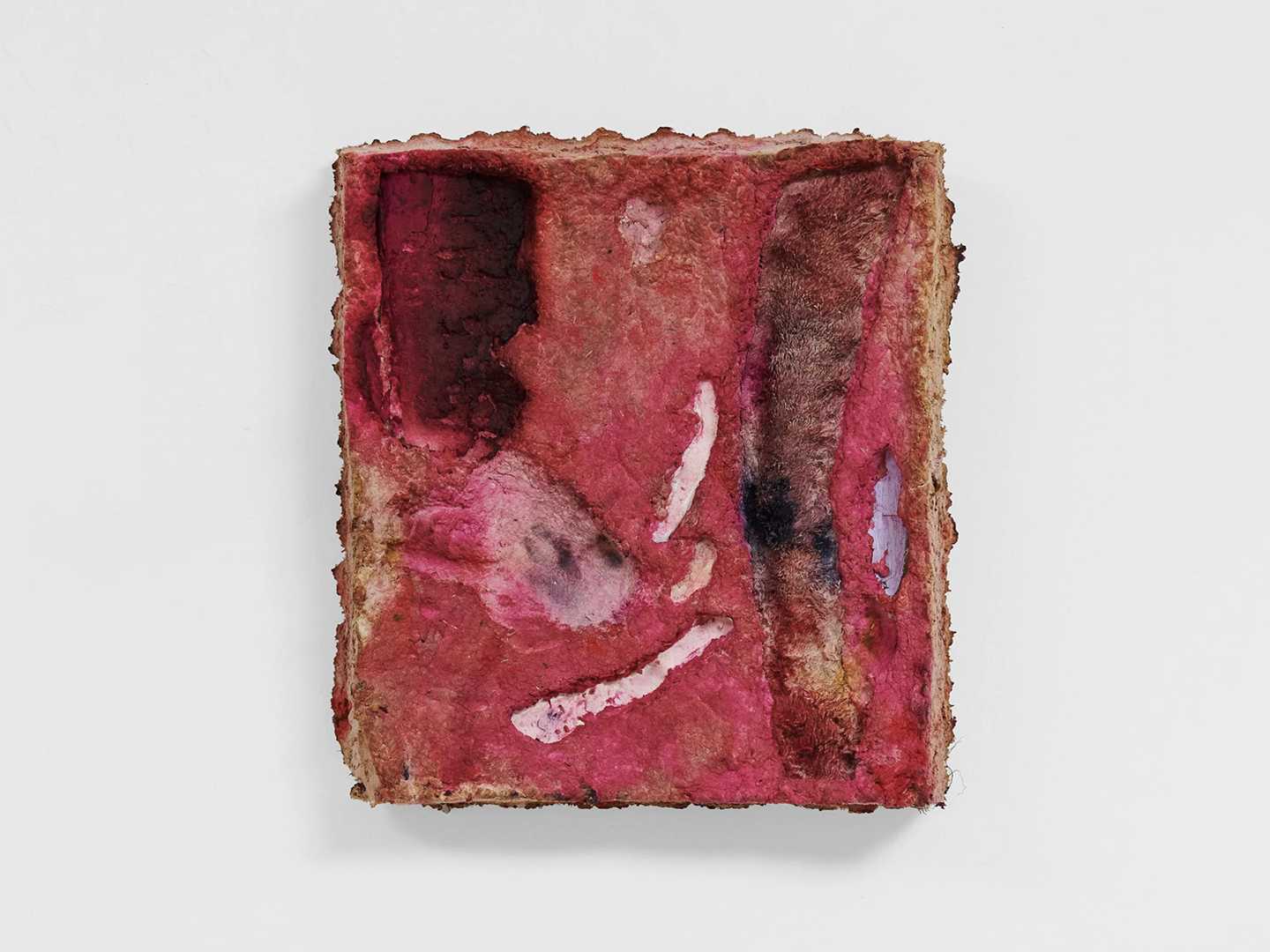
Lauren Goldenberg Longoria’s works emerge from an intimate ritual of transformation: sifting, soaking, and compressing discarded personal objects into densely layered paper forms. Her process echoes bodily rhythms—sweating, bleeding, slicing—and evokes the sensorial charge of memory lodged deep within material. These works are both architectural and intimate, saturated with pigment and pressure. They hold a delicate tension between the abject and the transcendent, revealing how grossness and beauty coexist within the material memory of the body.
Through a shared commitment to embodied inquiry, Joven and Goldenberg Longoria create forms shaped by tactile chemistries and bodily processes. Their surfaces blister, flake, and sag—echoing the earth’s crust, formed through collision and worn down over time. Refusing mastery over material, both artists embrace gravity, erosion, and entropy as collaborators. Together, the artists open up a space where survival, tenderness, and transformation coexist. Their exhibition Crusting asks viewers to consider: What remains when something breaks down? How does the past live on in the present—and what might be the essential tools for the worlds we are building now?
4.12.25
Lives in Parallel
Duo Exhibition
Opening:
Saturday, April 12, 2025
Artist Talk:
Sunday, May 3, 2025
Community Feed:
Saturday, May 3, 2025
-
Cindy Escarcega
Paulo Freire Lopez
Curated by Emiliano Lopez
-
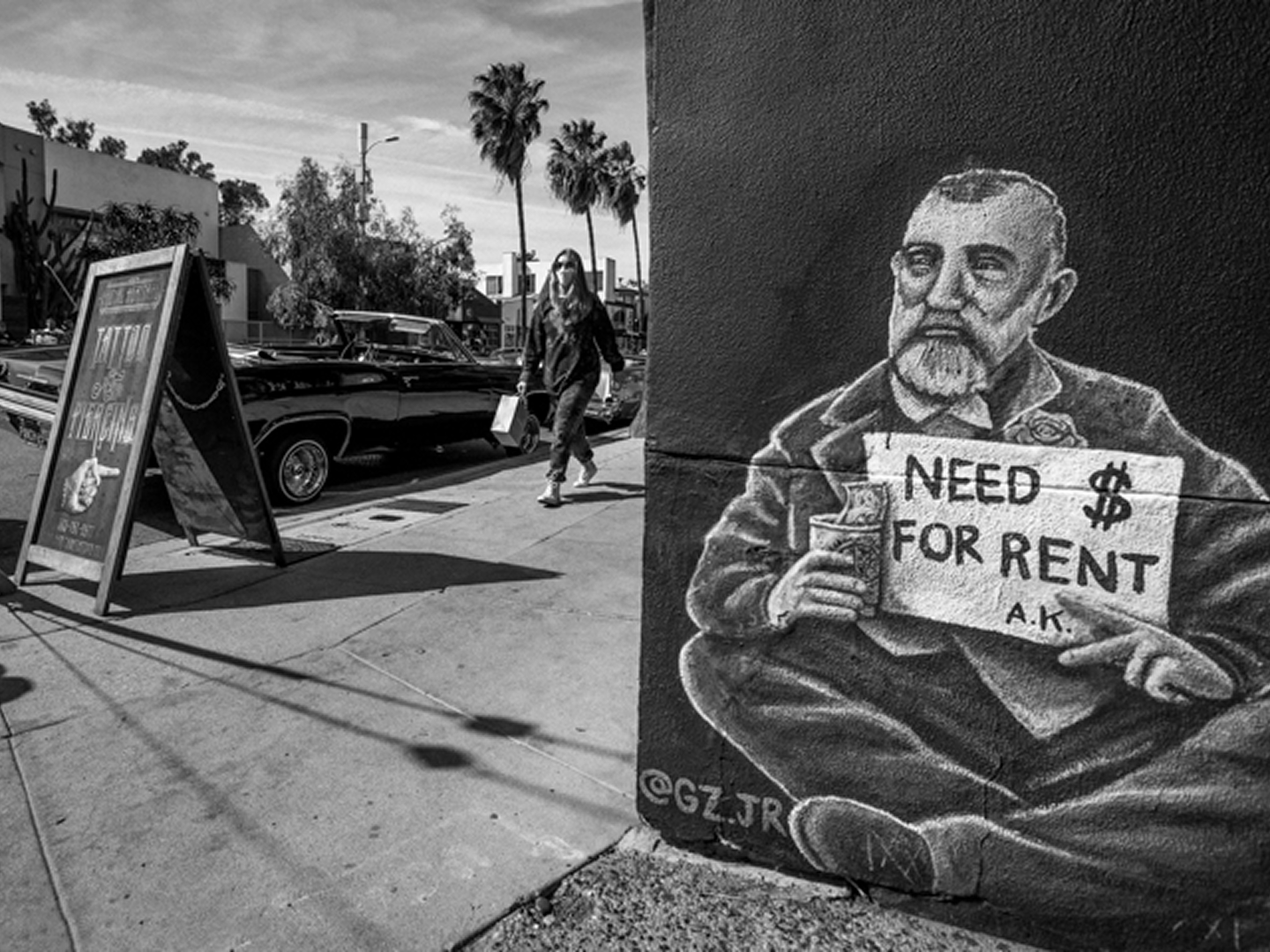
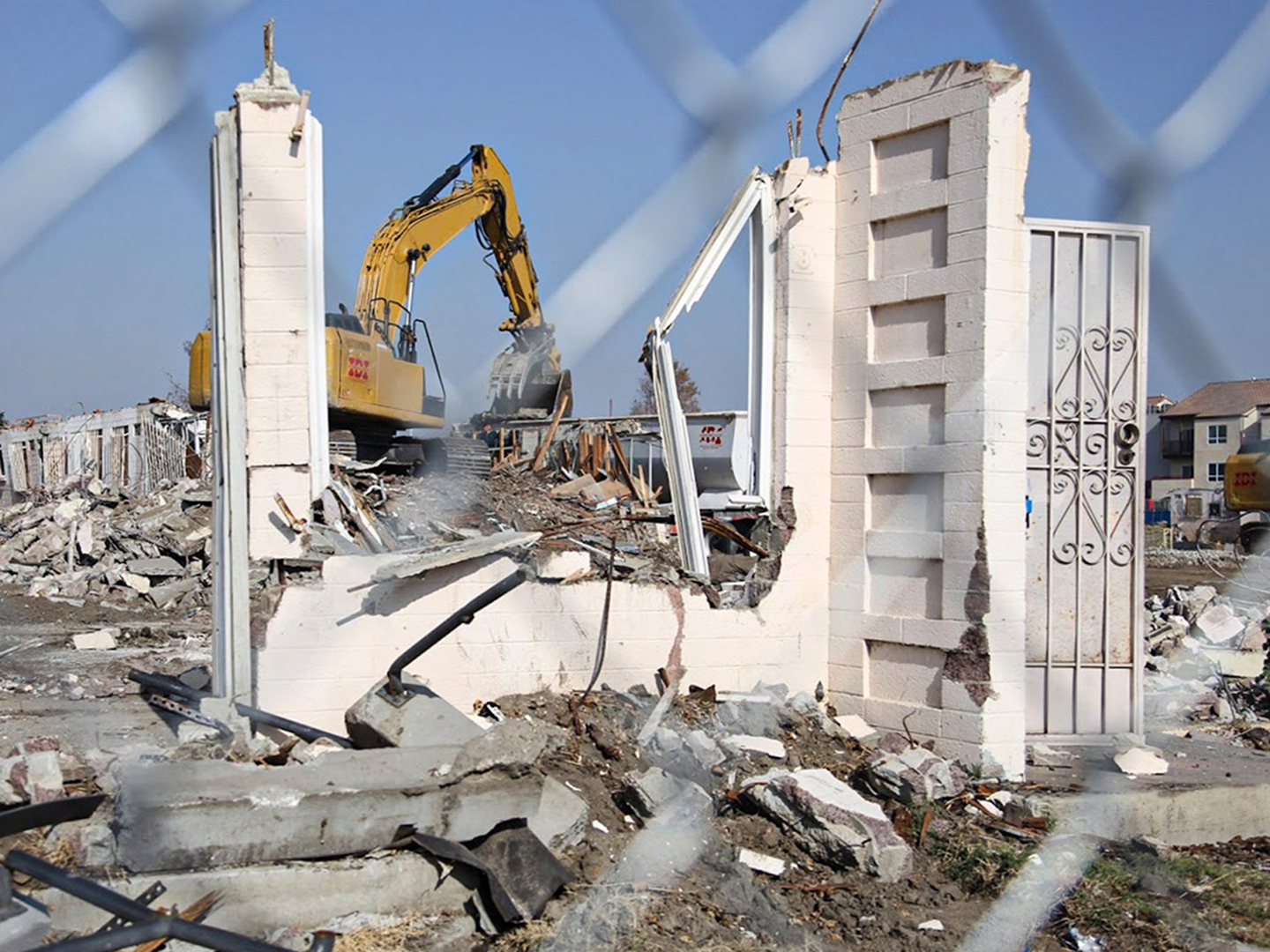
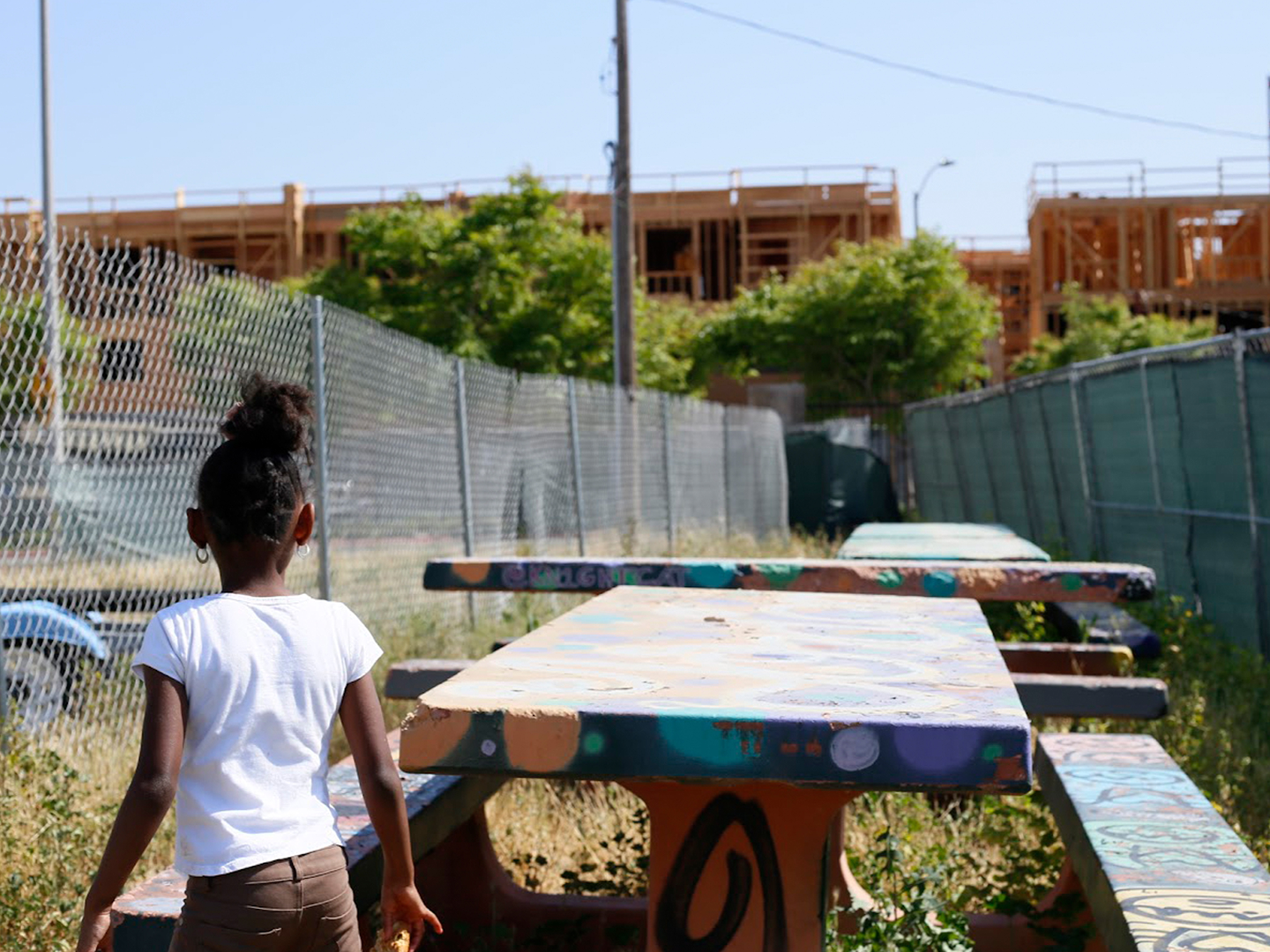
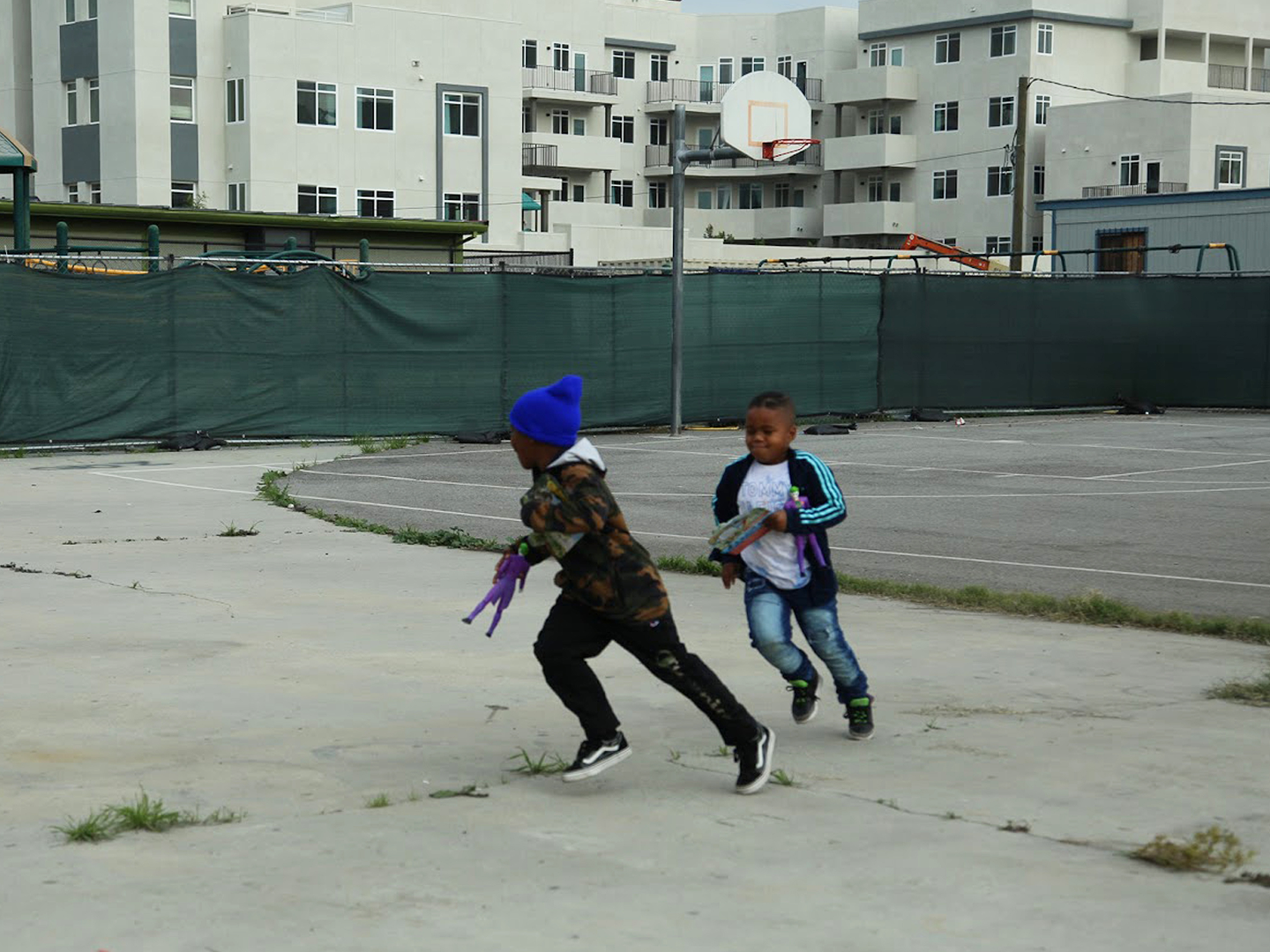
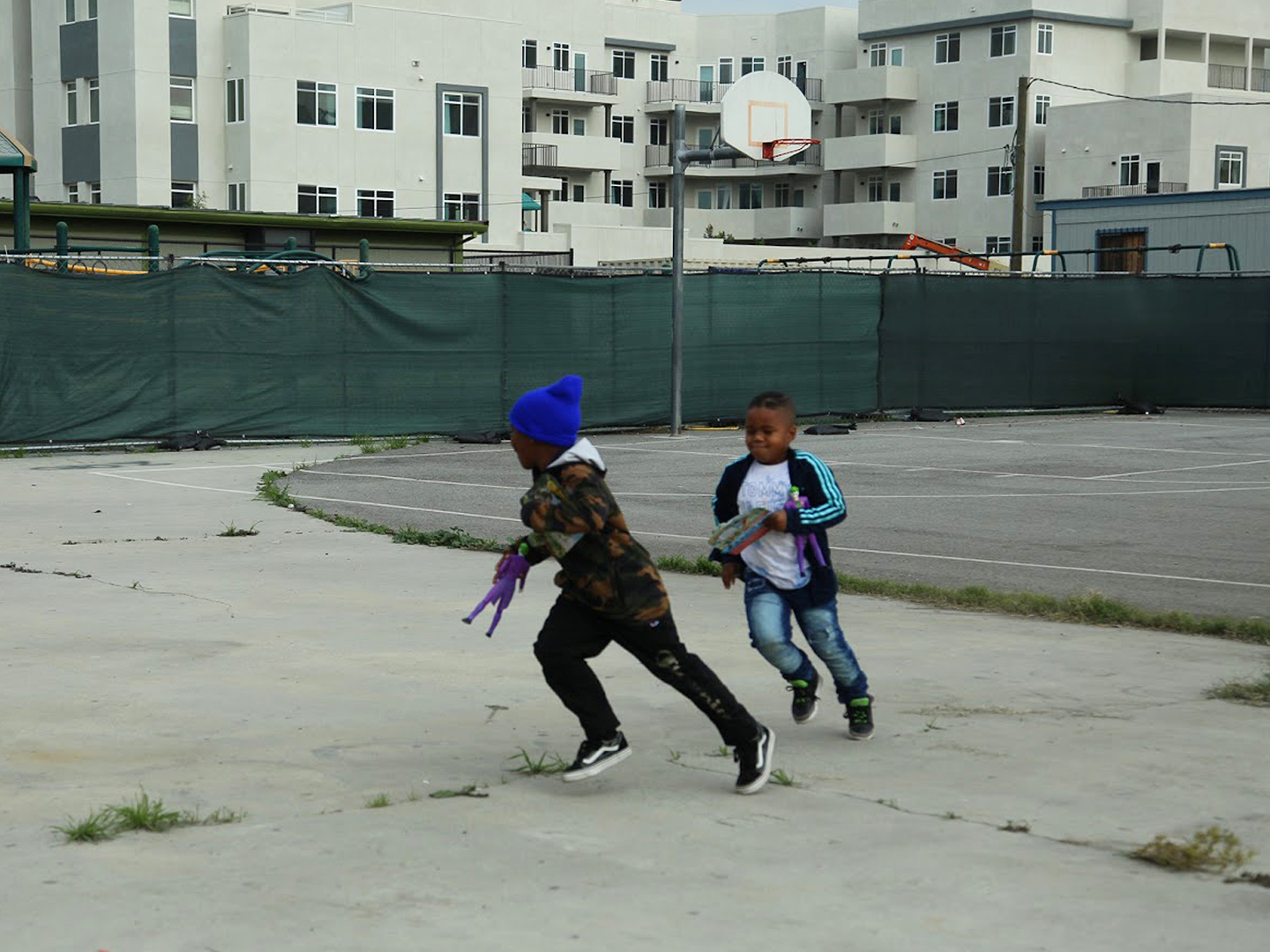
Lives in Parallel is an exhibition that delves into the invisible struggles of Los Angeles residents displaced by gentrification and economic injustice.
Through the compelling lenses of Cindy Escarcega and Paulo Freire Lopez, the exhibition captures the lives of those forced into parallel existences: one dictated by the familiar yet changing landscapes they once called home and another by the unfamiliar spaces they now inhabit. Cindy's work examines the erasure of community histories and shared identities due to rapid capitalist expansion. At the same time, Paulo focuses on the enduring resilience of cultural expressions, such as lowrider and punk communities, that resist displacement and preserve collective memory. Together, these photographers present an intimate portrayal of the lived consequences of gentrification in Los Angeles, offering a visual narrative that intertwines struggle, resistance, and cultural perseverance.
3.15.25
African Poetry Book Fund
Duo Exhibition
Opening:
Saturday, March 15, 2025
Poetry Read:
Thursday, March 27, 2025
-
Mulu Legesse
Kokeb
-
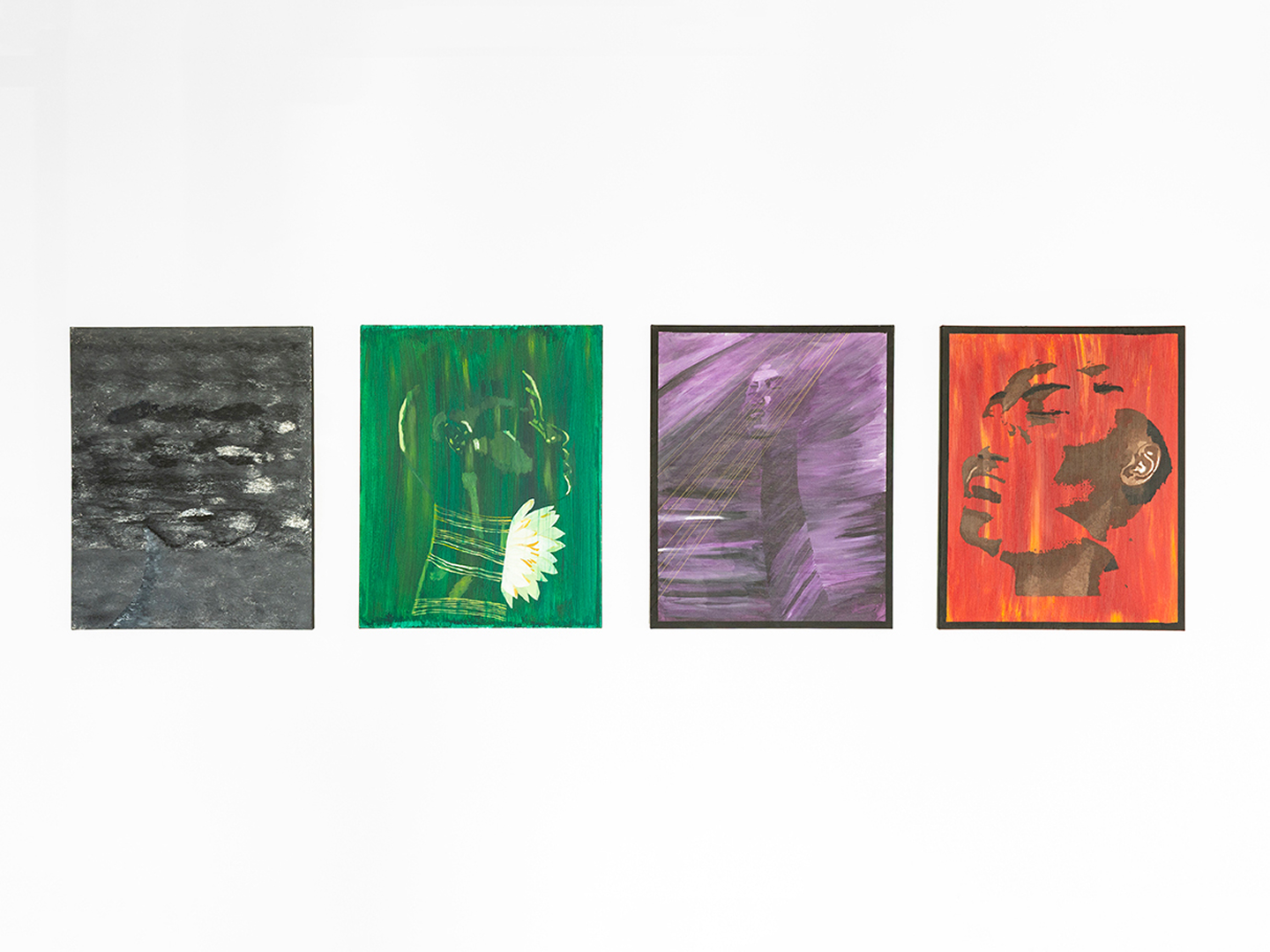
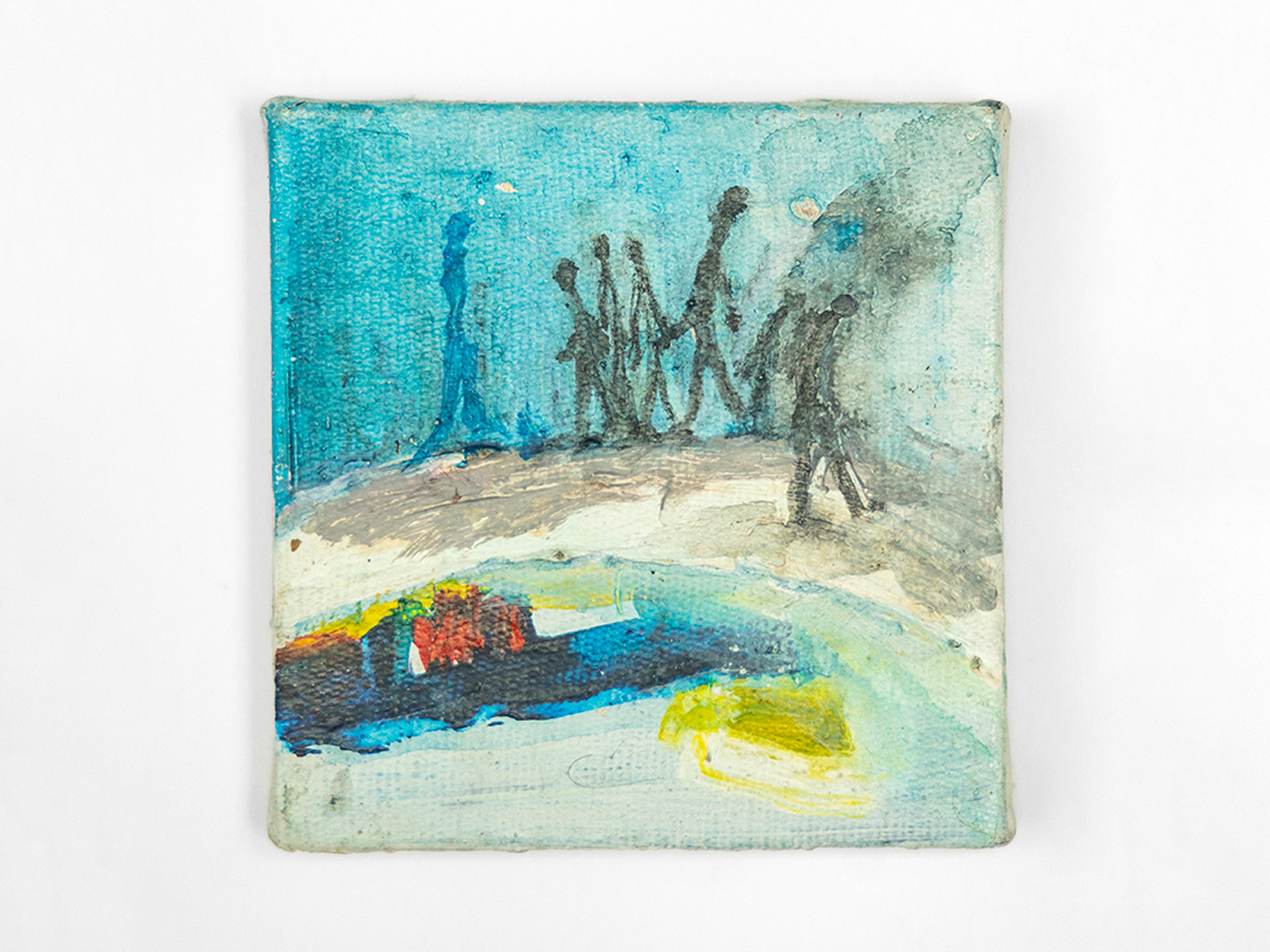
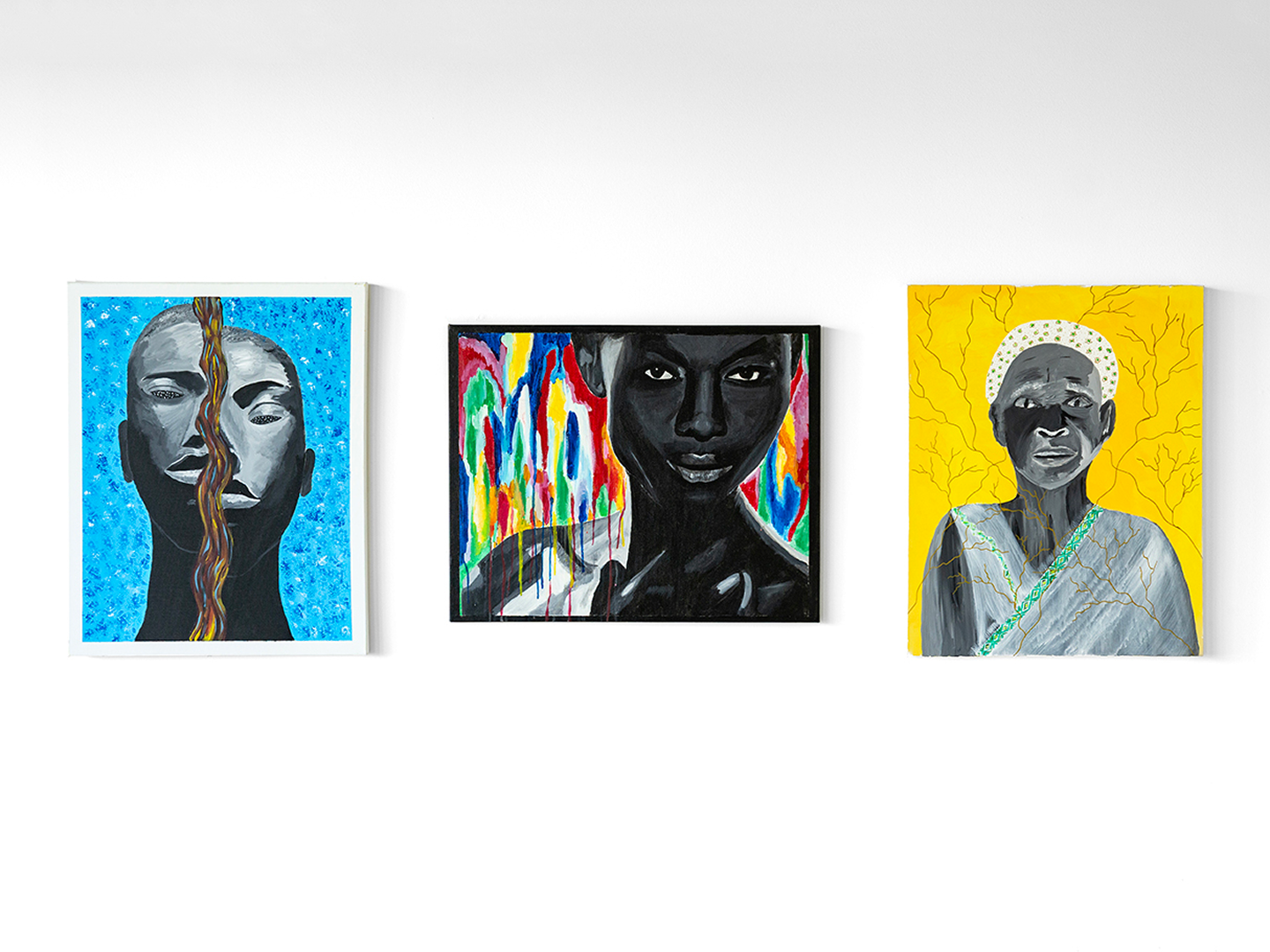
This exhibition features the work of artists Mulu Legesse (Ethiopia) and Kokeb (Ethiopia/Eriteria/US). Each year, the African Poetry Book Fund (APBF) releases a beautifully designed box set of chapbooks, featuring emerging African poets who have yet to publish a full-length collection, and showcasing the art of an African visual artist. The series aims to mark the early trajectory of poets who will go on to publish significant work.
With a box set design conceptualized as a “moving gallery,” the box sets are quite striking art objects: the box and each of the chapbook covers feature artwork by a single African visual artist. The first box set edition in the series, published by Slapering Hol Press in 2014, featured eight pieces of art by Adejoke Tugbiyele (Nigeria). Nine subsequent box sets, featuring from eight to thirteen emerging African poets at a time, were published by the APBF in collaboration with Akashic Books, and featured artwork by Imo Nse Imeh (Nigeria/US), Victor Ehikhamenor (Nigeria), Ficre Ghebreyesus (Eriteria), Sokari Douglas Camp (Nigeria/UK), Aida Muluneh (Ethiopia/UK), Tariku Shiferaw (US), Admire Kamudzengerere (Zimbabwe), Victor Ekpuk (Nigeria), and Kokeb Zeleke (Ethiopia/Eritrea/US). In the past two years, the APBF was fortunate to have the opportunity to work with two artists to create work in response to the poetry chapbooks. These two artists, Mulu Legesse and Kokeb, painted a series of twelve to fourteen pieces, each piece created in conversation with an emerging poet’s manuscript.
The APBF is thrilled to collaborate with DMST Atelier to celebrate the artwork created by Kokeb for KUMI: New-Generation African Poets (Akashic Books, 2024) and Mulu Legesse for KUMI NA MOJA: New-Generation African Poets (Akashic Books, forthcoming in 2025). DMST Atelier will be featuring artwork by Mulu Legesse and Kokeb from 15 March 2027 till 29 March 2025 in their gallery at 4614 W Washington Blvd in Los Angeles, California. On Thursday, 27 March 2025, the APBF and DMST Atelier will be hosting a poetry reading in celebration of this creative encounter between poems and visual art. Poets Adedayo Agarau, Rabha Ashry, Mary-Alice Daniel, Saddiq Dzukogi, Romeo Oriogun, Claudia Owusu, Sherry Shenoda, Henk Roussow, and Qhali will be reading from their own work as well as poems from KUMI.